
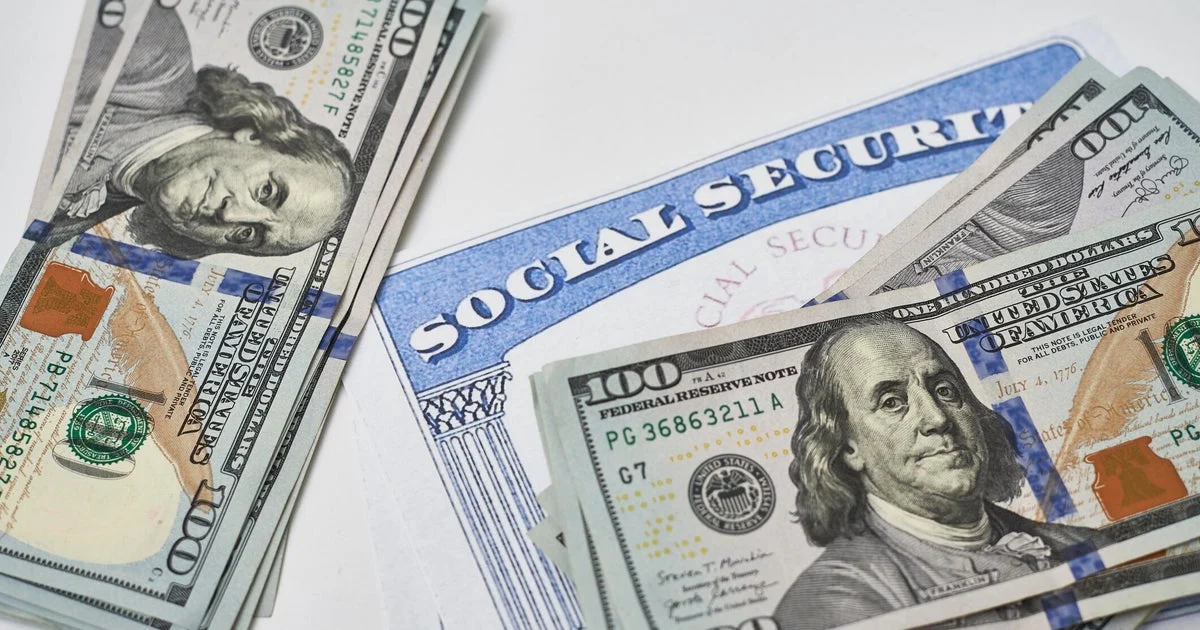
Social Security’s trust fund is projected to be depleted by 2032, raising the prospect of automatic cuts in retirement and disability benefits for more than 70 million Americans. Financial experts say the program remains salvageable through combinations of tax increases and benefit reductions if lawmakers act promptly.
What Happened
The Social Security trustees issued a report in June 2026 estimating that the trust fund will run out of reserves in six years, triggering an automatic reduction in benefit payments. The report attributes the shortfall primarily to demographic shifts such as an aging population, lower immigration rates, and recent tax law changes.
Key Facts
- The trust fund depletion is expected by 2032, according to the 2026 trustees report.
- Current average monthly Social Security benefit is $2,071, with a projected cut of approximately $500 if insolvency occurs.
- The payroll tax cap for Social Security taxes income up to $184,500 in 2026, exempting earnings above this threshold.
- The Social Security Administration estimates that a 4.6 percentage point payroll tax increase (from 12.4% total to 17%) would close the funding gap.
- Proposed solutions range from raising the retirement age (currently 67 for those born after 1960) to eliminating or reducing the payroll tax cap and imposing new taxes on investment income.
- Benefit formula adjustments targeting higher-income earners could close about 9% of the solvency gap, while capping benefits for couples at $100,000 could close 20%.
Why It Matters
The program provides essential income for millions of Americans relying on Social Security for retirement and disability support. Without intervention, benefits could automatically fall by roughly 22%, significantly reducing recipients’ incomes and financial security. Addressing the shortfall is critical to maintaining trust and stability in this major social safety net program.
Background
Social Security faces financial strain due to demographic trends including longer life expectancies and fewer workers paying into the system relative to beneficiaries. The payroll tax cap, in place since the 1930s, excludes higher earnings from payroll tax contributions, limiting revenues. Previous reforms, such as raising the retirement age in the 1980s, have extended solvency but new measures are needed.
Analysis
Karen Glenn, chief actuary at the Social Security Administration, described the challenge as a “simple math problem” requiring either higher revenues, reduced benefits, or both. Jason Fichtner, senior fellow at the Bipartisan Policy Center, warned that significantly higher payroll taxes—potentially nearing 20%—could burden employers and workers, affecting hiring and productivity. Advocacy groups like the Committee for a Responsible Federal Budget and policy experts emphasize balancing tax increases with targeted benefit changes to protect vulnerable beneficiaries.
Who Is Affected
More than 70 million Social Security beneficiaries, including retirees and disabled workers, face potential reductions in monthly payments. Higher-income workers would be disproportionately affected by proposals to eliminate the tax cap or reduce benefits based on income. Employers and employees could experience increased payroll tax liabilities if rates are raised.
What Remains Unclear
- Specific legislative actions or bipartisan consensus on which combination of tax or benefit changes will be adopted.
- The exact impact and timing of proposed changes on different demographic groups.
- Long-term economic effects of significant payroll tax increases on employment and productivity.
What Comes Next
Lawmakers will face mounting pressure to address Social Security’s funding gap before the trust fund’s projected depletion in 2032. Discussions and possible reforms are expected to continue through upcoming congressional sessions, with proposals for tax adjustments and benefit modifications under review.
Sources
This article is based on reporting and publicly available information from the following source:
Read more Politics stories on Goka World News.