
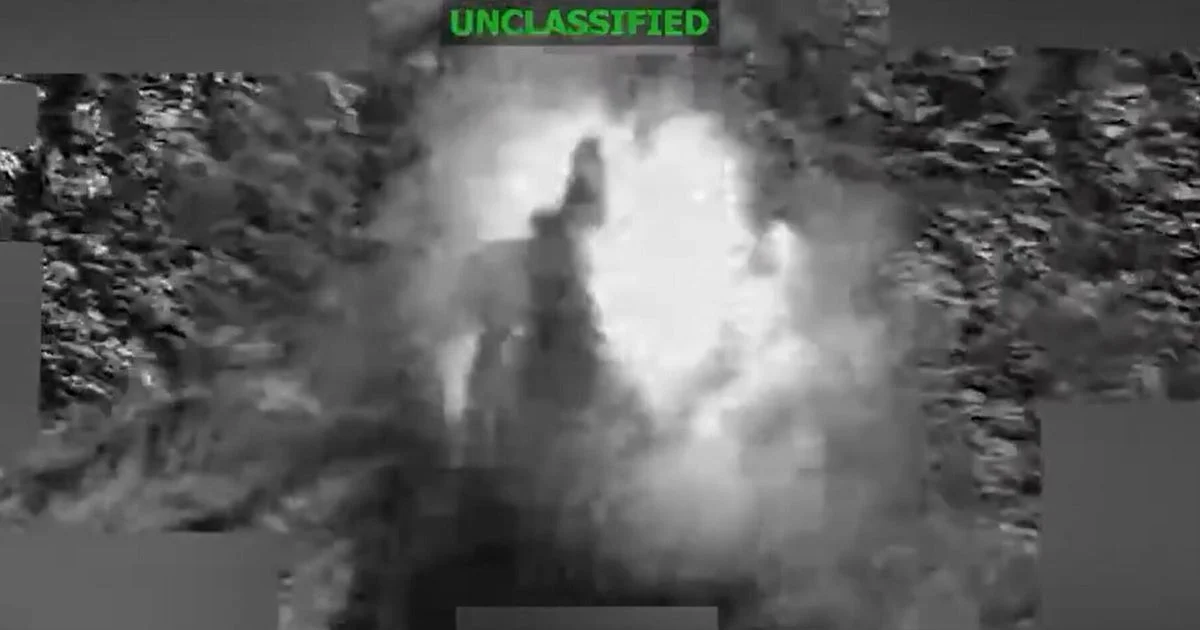
The U.S. military conducted an airstrike on an alleged drug smuggling boat in the eastern Pacific Ocean on June 16, 2026, killing one individual and leaving two survivors. The operation is part of a broader campaign by the Trump administration targeting narcotrafficking routes in Latin America.
What Happened
On June 16, 2026, U.S. Southern Command carried out a strike against a vessel accused of ferrying illegal drugs along known smuggling routes in the eastern Pacific. The attack resulted in the death of one man aboard the boat, with two others surviving the blast. The U.S. Coast Guard was immediately notified to initiate search and rescue efforts for the survivors. No direct evidence confirming the presence of drugs on the boat was disclosed by the military.
Key Facts
- At least 208 people have been killed in U.S. military strikes on suspected drug boats since September 2025, according to the Pentagon.
- The vessel was targeted based on intelligence regarding narcotrafficking routes in the eastern Pacific.
- The strike was captured on video posted on social media, showing the boat engulfed in flames following the attack.
- The Trump administration characterizes these strikes as part of an armed conflict with Latin American cartels.
- Legal scrutiny surrounds the strikes, including concerns about the killing of survivors in prior incidents.
- U.S. military Inspector General plans to review the targeting procedures used but will not assess the legality of the strikes.
Why It Matters
The strikes reflect a controversial shift in U.S. counter-narcotics tactics, with President Trump framing the campaign as an armed conflict against drug cartels. This approach aims to curb drug trafficking and reduce overdose deaths within the United States by targeting smuggling operations at sea, though evidence linking these strikes directly to intercepted drug flows remains unclear. The operations also raise legal and ethical questions about the use of military force in non-war zones and the treatment of survivors.
Background
Since early September 2025, the Trump administration has escalated military strikes targeting vessels alleged to transport illegal drugs in the eastern Pacific and Caribbean Sea. This campaign is part of a broader strategy to combat fentanyl and other narcotics entering the U.S., primarily through Latin America. Previous strikes have resulted in controversial incidents, including the killing of survivors after initial attacks, which have sparked debate on the legality under international armed conflict laws.
Analysis
Legal experts and some Democratic lawmakers have expressed concern over the strikes, particularly the killing of survivors, which some scholars consider illegal under international law regardless of armed conflict status. The Pentagon’s Inspector General is reviewing adherence to the six-phase Joint Targeting Cycle to evaluate whether military protocols were followed, but is not investigating the legality of the strikes themselves. The administration maintains that the actions comply with the laws of armed conflict and are necessary to disrupt narcotrafficking.
Who Is Affected
Those directly affected include alleged drug traffickers on targeted vessels, with at least 208 reported deaths linked to such strikes. The maritime regions of the eastern Pacific and Caribbean Sea along recognized smuggling routes are central to these operations. Additionally, U.S. domestic populations affected by the influx of narcotics are a primary concern cited by the administration.
What Remains Unclear
- Concrete evidence confirming the presence of drugs on the recently struck vessel has not been provided.
- Details about the identities and conditions of the two survivors remain undisclosed.
- The overall impact of the strikes on the narcotrafficking supply chain and drug flow is uncertain.
- The final outcome of the Pentagon Inspector General’s review of targeting procedures is pending.
What Comes Next
The Pentagon Inspector General will continue its evaluation of whether the U.S. military followed established targeting processes during the strikes. Additional strikes or operations may proceed as part of the ongoing campaign against narcotrafficking, though no further specific actions were announced following the June 16 strike.
Sources
This article is based on reporting and publicly available information from the following source:
Read more US News stories on Goka World News.