
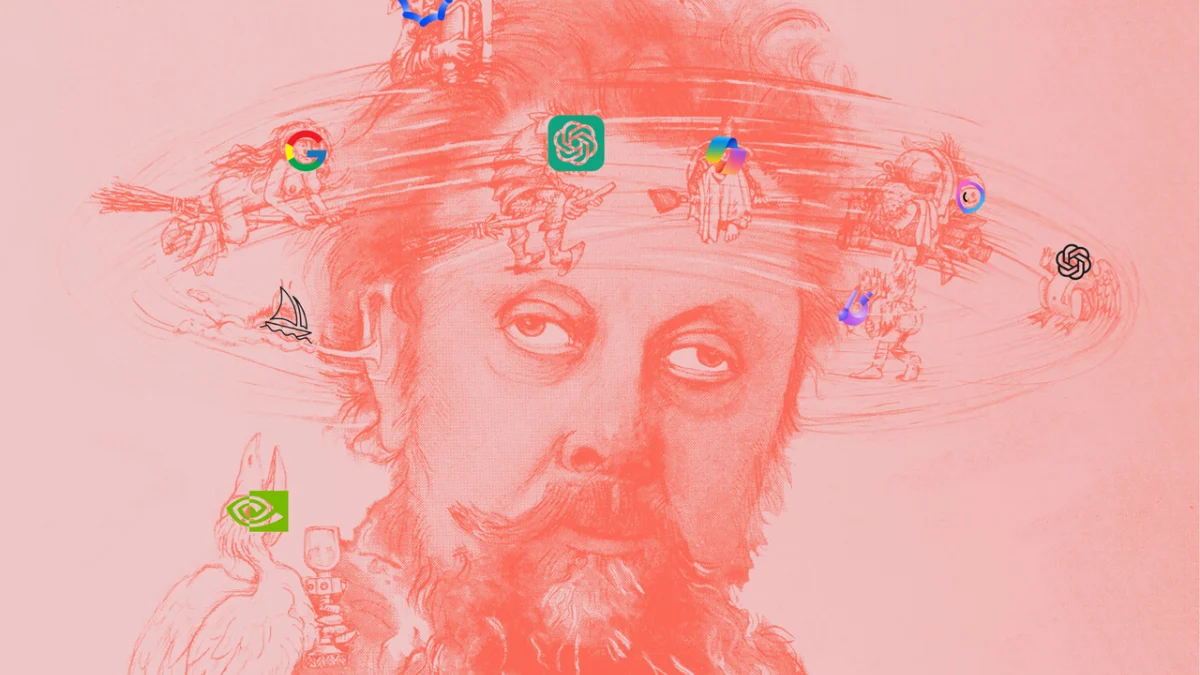
Artificial intelligence’s most profound risk may not lie in the rise of uncontrollable machines, but in a pervasive human tendency to surrender cognitive effort to AI tools. This phenomenon, described as “cognitive surrender,” reflects growing dependence on AI-generated answers and summaries that threaten to erode the motivation to learn and engage deeply with knowledge.
What Happened
This insight emerges from recent academic analysis, particularly a student essay developed in collaboration with Harvard University’s Berkman Klein Center for Internet & Society. The essay draws on observations of how AI models like OpenAI’s GPT-4 and other generative AI tools are rapidly reshaping educational and professional environments. These tools provide instantaneous, high-quality outputs ranging from code generation to philosophical essays, redefining individual engagement with cognitive tasks.
Key Facts
The jurisdiction discussed is primarily the United States, where AI applications are increasingly integrated into classrooms and workplaces. AI models such as GPT-4 and newer tools like Claude and Gemini produce swift, competent outputs that students and professionals rely on to complete assignments and projects. This shift undercuts traditional motivation structures based on scarcity of knowledge and effort. The behavioral change has been dubbed “cognitive surrender,” highlighting the trend of uncritical acceptance of AI results without the rigorous reasoning formerly required.
Moreover, this change coincides with broader socio-economic factors affecting younger generations, including declining faith in future financial stability, increased economic stress, and altered attitudes toward long-term investments like education and career development. These factors magnify the appeal of outsourcing cognitive labor to AI.
What This Means
The rise of cognitive surrender signals a fundamental shift in the role of AI from a tool that augments human ability to one that can replace the need for human cognitive effort altogether. This poses serious implications for individual identity formation, especially among students and young professionals who traditionally derived pride and competence from mastering complex subjects over time. With AI offering rapid solutions, the incentive to develop deep expertise and critical thinking diminishes, potentially weakening intellectual rigor and skill mastery.
For society, the trend challenges the foundations of education and professional development, risking a widespread erosion of cognitive resilience. It raises questions about how institutions should adapt to maintain motivation for learning and creativity when acquisition of knowledge is no longer a scarcity-based advantage. Meanwhile, this change surfaces in a context where younger generations already view the future with skepticism, making the allure of instant AI-driven success harder to resist.
Background
The essay situates the issue within a broader narrative linking past cultural myths of creation and mastery, such as Mary Shelley’s Frankenstein, to contemporary technological realities. AI surpasses humans on certain cognitive tasks not through brute strength, but through scale and pattern recognition. This inversion challenges traditional human roles and compels reevaluation of what sustained effort and achievement mean in an AI-enhanced world.
What Remains Unclear
While cognitive surrender is recognized as an emerging social phenomenon, precise regulatory or policy frameworks to address its impact are not yet defined. It remains unclear how educational institutions, governments, or digital platforms might effectively safeguard against overreliance on AI outputs or incentivize deeper learning amid ubiquitous AI access.
What Comes Next
This analysis serves as an early call for informed debate and policy consideration. Stakeholders may soon need to explore guidelines for AI use in academic and professional settings to preserve critical thinking and genuine cognitive effort. Technology developers and policy makers will likely face increasing pressure to balance AI’s benefits with the imperative to sustain human intellectual agency.
Sources
This article is based on reporting and publicly available information from the following source:
Read more Artificial Intelligence stories on Goka World News.