
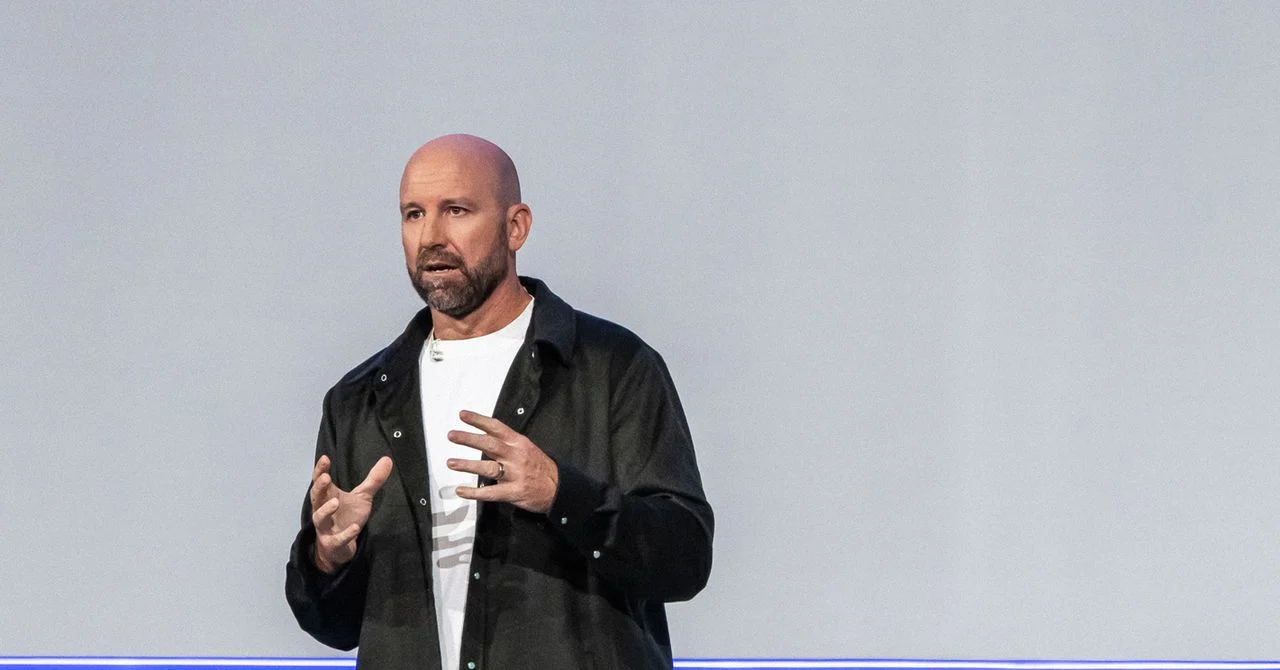
Meta’s chief technology officer Andrew Bosworth has acknowledged the company executed a poor rollout of its Artificial Intelligence division reorganization, promising employees a return to stability and better communications. In an internal memo obtained by WIRED on June 15, Bosworth described the reorganization as “atrocious” and announced plans to address employee grievances by improving career advancement opportunities and workplace morale.
What Happened
In March 2026, Meta consolidated roughly 6,500 engineers and product managers into an Applied AI division, aiming to accelerate the development of generative AI models and related projects. However, internal dissatisfaction grew amid perceptions of menial work and frequent managerial changes. This week, Bosworth admitted to the issues in a lengthy memo, citing employee feedback as a catalyst for planned course corrections. He committed to stabilizing management by capping managers at 20 direct reports, reducing managerial turnover, and offering AI coaching resources to support staff. Additionally, Meta pledged to restore workplace perks, such as enhanced break areas and increased social event budgets, to rebuild internal culture.
Key Facts
Meta Platforms, Inc. launched the Applied AI team in March 2026 to focus on boosting AI coding and agentic capabilities. The division encompasses about 6,500 staff members. Feedback revealed employee concerns about unclear career paths and instability following rapid organizational changes during Meta’s AI refocus. Bosworth’s internal memo highlighted plans to limit managerial disruptions and provide clearer career guidance. Vice President Maher Saba, who leads the Applied AI group, confirmed employees drafted onto the team can now apply voluntarily for other roles within Meta. The memo also noted Meta’s approach to AI development is fast-paced and adaptive, moving away from traditional engineering roadmaps.
What This Means
This admission by Meta’s CTO indicates an acknowledgment that the company’s push to prioritize AI capabilities came at the expense of employee morale and clarity, potentially impacting productivity and innovation. For Meta’s workforce, this means increased efforts to provide stability and personalized career growth could improve retention and job satisfaction within the critical AI division. For the broader industry, Meta’s experience underscores the challenges tech giants face when rapidly altering internal structures amid fierce competition in AI development. Employees’ concerns about being assigned to less fulfilling projects highlight the tension between urgent strategic shifts and individual engagement, a balancing act likely to play out further across Silicon Valley.
Background
Under CEO Mark Zuckerberg’s leadership, Meta has aggressively refocused efforts toward artificial intelligence to compete with rivals advancing generative AI tools. In recent years, the company faced large-scale layoffs and scrutiny over workplace practices, adding pressure to retain and support top technical talent. Meta’s former motto, “move fast and break things,” has been recast for AI as “move fast and fix forward,” reflecting the dynamic and often uncertain nature of AI project roadmaps announced by Vice President Maher Saba.
What Comes Next
Meta plans to proceed with internal reforms aimed at better supporting the Applied AI division, including more effective communication from leadership and the stabilization of managerial assignments. The company has not disclosed specific timelines for these changes but indicated that the forthcoming quarters would involve efforts to rekindle positive elements of corporate culture and provide AI workers with enhanced tools and career support.
Sources
This article is based on reporting and publicly available information from the following source:
Read more Major Tech Companies stories on Goka World News.