
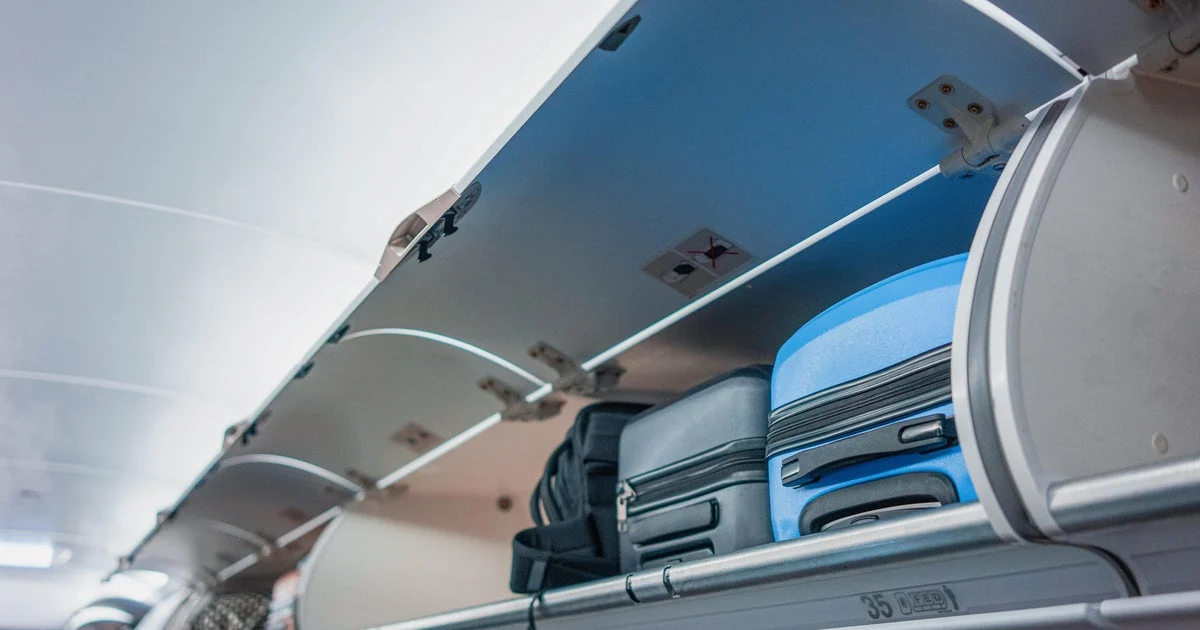
Airlines are increasingly asking passengers to gate-check their carry-on luggage, particularly on smaller aircraft, as overhead bin space fails to accommodate growing numbers of large carry-on bags. This shift is driven by rising checked baggage fees, which encourage travelers to pack more into carry-ons, straining limited cabin storage and slowing boarding times.
What Happened
With the rise of checked bag fees, more passengers opt to travel with carry-on bags only, but airlines are responding by requiring gate checks of some carry-ons, especially on regional jets with limited overhead bin capacity. Travel expert Gunnar Olson noted that smaller planes are simply not designed to hold the volume of carry-ons now being brought onboard. Airlines like Delta use predictive “optimization tools” to assess if overhead space will be insufficient and then request gate checks as a last resort to avoid boarding delays.
Delta Airlines confirmed that gate checking is a last-resort measure used primarily to maintain on-time departures, as passengers stowing carry-on luggage during boarding significantly slow the process. When gate check is necessary, Delta offers travelers the option to check bags for free at airport kiosks ahead of boarding. Similarly, Southwest Airlines mainly enforces gate checking on passengers in later boarding groups while reserving bin space for those who paid for earlier boarding or premium seating.
Both Delta and Southwest recently increased their first checked bag fees to $45, up $10, a move partly aimed at offsetting rising jet fuel costs.
Key Facts
- Delta and Southwest raised checked bag fees to $45 this spring, an increase of $10, linked to rising jet fuel prices.
- Gate checking typically affects flights on regional aircraft with limited overhead space.
- Delta uses boarding optimization tools to predict overhead bin capacity and limit gate-checking to last-resort situations.
- Passengers in later boarding groups at Southwest are more likely to have carry-ons gate-checked.
- Delta offers customers the option to check bags for free at airport kiosks before boarding on expected full flights.
What This Means
For travelers, this policy shift highlights the complexities behind seemingly simple carry-on luggage choices. The steady rise in checked baggage fees incentivizes passengers to pack more into their carry-ons, which, while seeming convenient, creates bottlenecks during boarding on smaller planes. Gate-checking carry-ons, though inconvenient for some, helps speed up boarding and reduce departure delays, an operational priority for airlines aiming to maintain schedule reliability.
This dynamic also illustrates how cost pressures, such as higher fuel prices, cascade into passenger experience changes. Travelers must balance saving money on checked bags against the risk of having to part with their carry-ons at the gate unexpectedly. Furthermore, fare class and boarding position increasingly affect whether passengers keep their bags on board, potentially influencing purchasing decisions about seat upgrades or priority boarding. Overall, these changes underscore how airlines optimize space and revenue amid evolving passenger behavior and economic conditions.
Background
The trend towards more gate-checked carry-ons has accelerated in recent years alongside a surge in checked luggage fees, prompting more passengers to bring larger carry-ons instead of checking bags. Regional jets and smaller aircraft, typically used on short routes, have limited overhead bin capacity, making them particularly prone to these carry-on space constraints. Airlines like Delta and Southwest have adjusted both fees and boarding procedures to manage these challenges while minimizing flight delays.
What Comes Next
As airlines continue to adjust fees and boarding policies, passengers can expect faster boarding processes on flights where gate checking carry-ons is necessary. Travelers seeking to avoid gate checking are advised to purchase fares that include earlier boarding or premium seating, which airlines prioritize for overhead bin access. Monitoring future announcements on baggage fees and boarding protocols will be essential for frequent flyers aiming to navigate these evolving policies.
Sources
This article is based on reporting and publicly available information from the following source:
Read more Business stories on Goka World News.