
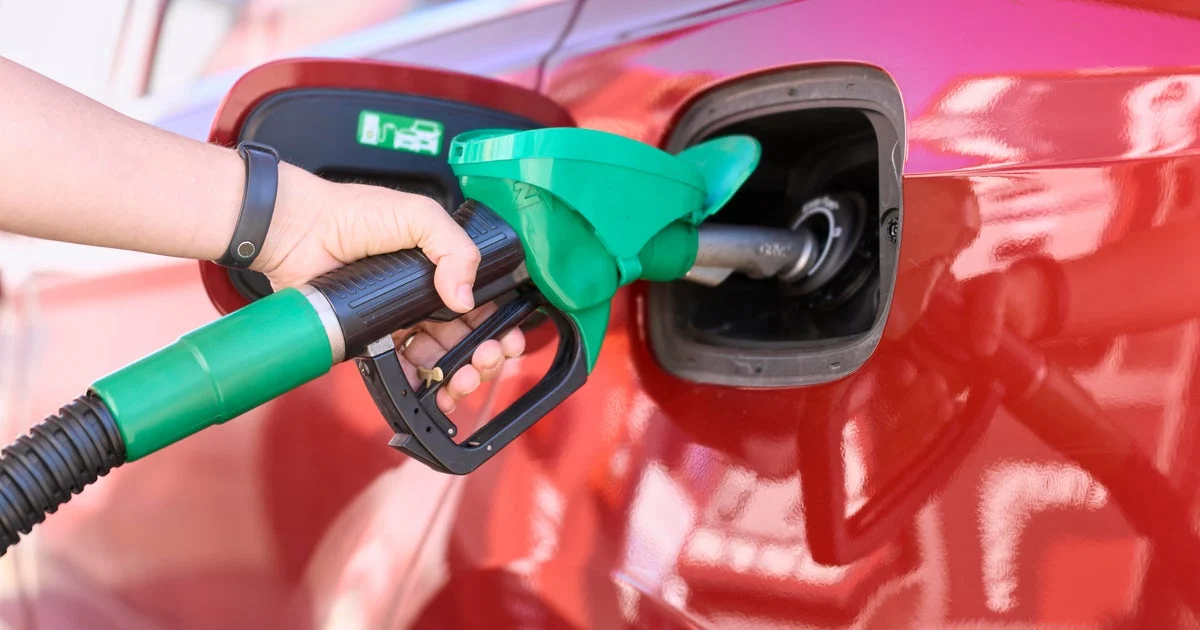
The White House announced the debut of the first “Freedom Fuel” gas station selling gasoline at $3.47 per gallon, a price below the current national average. Located in Philadelphia, this initiative aims to provide motorists with more affordable fuel options amid fluctuating energy costs.
What Happened
On July 8, 2026, the White House publicly unveiled the first “Freedom Fuel” gas station in Philadelphia, Pennsylvania, which is offering gasoline at $3.47 a gallon. The price reflects a symbolic nod to President Donald Trump, the 47th president of the United States, who is credited by the White House for efforts in lowering fuel prices this summer. The gas station is part of the private Freedom Fuel Network, which owns 25 filling stations spread across New Jersey and Pennsylvania. The administration stated that it is not directly involved in the operation or subsidization of these gas stations, which maintain competitive prices by reducing profit margins.
Key Facts
The national average price for a gallon of regular gasoline stood at $3.80 as of July 7, 2026, according to AAA data, marking a decline from a recent peak of $4.56 in mid-May. Prior to the escalation of the conflict between the U.S., Israel, and Iran in late February, the average gallon price was around $2.98. Diesel fuel prices, crucial for freight and shipping industries, averaged $4.77 per gallon, up from $3.76 before the conflict. The Freedom Fuel Network operates 25 stations in New Jersey and Pennsylvania, including five locations in New Jersey and 20 in Pennsylvania, with several stations concentrated in Philadelphia.
What This Means
The introduction of the “Freedom Fuel” gas station challenges current gasoline price trends by offering consumers a consistently lower price relative to the regional and national averages. For drivers, this represents potential savings at the pump during a period marked by volatile fuel prices driven in part by geopolitical tensions. The approach of reducing profit margins to offer fuel at below-market rates may pressure other retailers to adjust their pricing strategies, potentially increasing competition and benefiting consumers. However, this model’s sustainability depends on the ability of private operators to maintain narrower profit margins without external subsidies.
Moreover, the station’s pricing strategy could have localized economic effects, including reduced transportation and delivery costs if competitors follow suit, which might translate into some lowering of goods prices. In a broader sense, this initiative highlights how private sector adjustments can influence market pricing dynamics even amid complex global events affecting oil supply and demand.
Background
Fuel prices surged following a military action by the U.S. and Israel targeting Iran in February 2026. The disruption exacerbated costs for gasoline and diesel, affecting consumer expenses and freight transportation. Historically, gas station owners control retail prices and sometimes absorb costs temporarily to remain competitive. The Freedom Fuel Network’s establishment brings a new element into this dynamic, with deliberate below-market pricing tied symbolically to political factors. The White House’s social media campaign, including customer testimonials, frames this move as a part of efforts to alleviate financial pressure on consumers amid higher energy costs.
What Comes Next
While the report does not specify forthcoming milestones for the Freedom Fuel Network or related pricing schemes, the broader context suggests ongoing monitoring of fuel price trends throughout the summer. Additional gas stations may join the Freedom Fuel Network or adopt similar pricing strategies depending on market responses and profitability considerations.
Sources
This article is based on reporting and publicly available information from the following source:
Read more US News stories on Goka World News.