
The United States and Iran intensified their conflict across the Middle East in early July 2026 following President Donald Trump’s declaration that a recently agreed ceasefire was “over.” This development has reignited military confrontations impacting several countries in the Persian Gulf region, threatening maritime security and regional stability.
What Happened
On the night of July 7–8, 2026, the U.S. Central Command conducted a second round of airstrikes against nearly 90 Iranian targets, focusing on missile and drone storage facilities, air defense systems, naval assets, and logistic infrastructure inside Iran. The strikes were officially framed as retaliation for Iranian attacks on commercial ships transiting the critical Strait of Hormuz earlier that week. Iranian state media reported that explosions were heard in several southern port cities including Bandar Abbas, Chabahar, Konarak, and Bushehr, the latter housing Iran’s only commercial nuclear power plant.
In response, Iran targeted U.S. military bases in Bahrain, Kuwait, and Qatar with missile and drone attacks, prompting air raid sirens and active combat by Kuwait and Bahraini air defenses. These Iranian counterstrikes appeared to continue the tit-for-tat pattern of hostilities between Tehran and U.S.-aligned Gulf states.
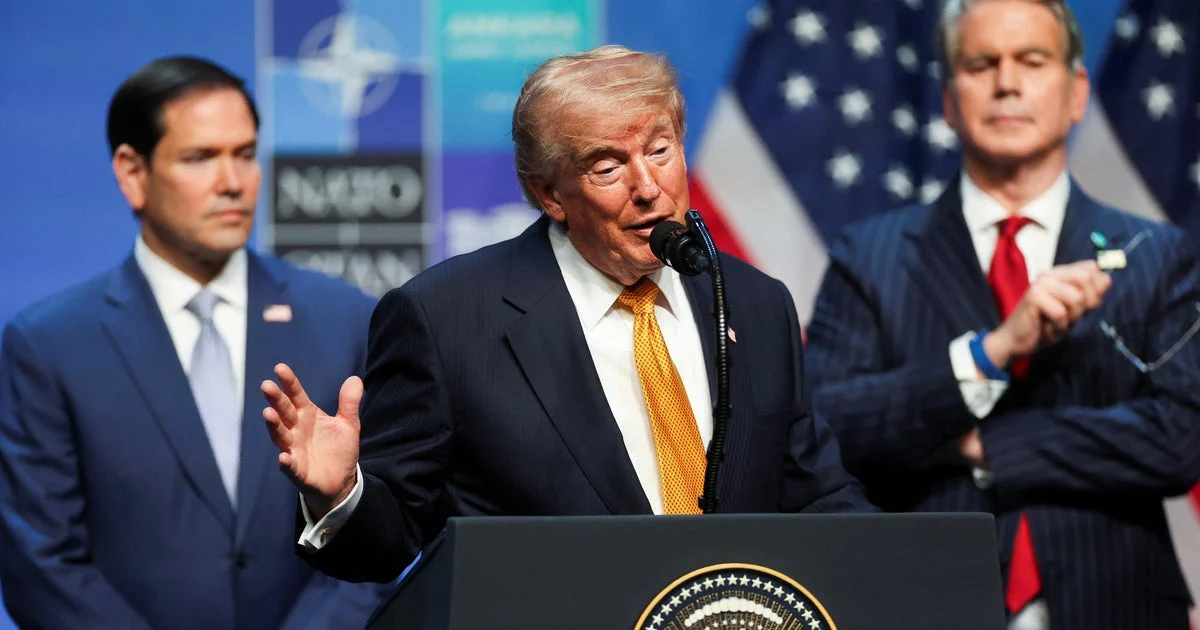
President Trump, returning from a NATO summit in Turkey on July 8, explicitly stated that the ceasefire agreed in mid-June was effectively over. He described Iran’s leadership with strong disparagement and expressed skepticism about negotiating or honoring any future deal. Vice President J.D. Vance reiterated that U.S. forces would continue military responses if Iran attempted to close the Strait of Hormuz or threatened shipping lanes.
Key Facts
The U.S. military said it struck approximately 90 targets inside Iran during the second round of airstrikes. Iranian media reported three fatalities and multiple injuries near Ahvaz in southwestern Iran due to these strikes. Explosions were confirmed in key Iranian port cities, including Bushehr, a strategic hub for Iran’s nuclear program and oil exports.
Kuwait’s military confirmed combating missile and drone attacks early on July 9, with Bahrain activating air raid sirens. Both nations, U.S. allies in the Gulf, have been frequent targets of Iranian strikes since the conflict began in February 2026 but had paused attacks during the ceasefire agreed last month.
President Trump’s comments dismissed prospects of renewed peace talks, describing Iran’s leaders as “sick” and “crazy,” but acknowledged that Iran called seeking a deal, albeit with doubts about their good faith. The ceasefire was established in mid-June under a memorandum of understanding but has now unraveled following Iranian attacks on commercial vessels in the Strait of Hormuz and subsequent U.S. retaliations.
What This Means
The resumption of military hostilities between the U.S. and Iran threatens to destabilize the entire Persian Gulf region, a critical artery for global oil and commercial shipping. The Strait of Hormuz, through which a significant portion of the world’s petroleum transits, has been a flashpoint for conflict escalation. Disruptions here risk global energy markets, contributing to uncertainty and potential price surges worldwide.
For countries in the Gulf Cooperation Council (GCC), the renewed attacks on their territory and military installations underscore their vulnerability amid U.S.-Iran tensions. The conflict dynamics also complicate diplomatic efforts to contain Iran’s regional ambitions and avoid a wider war involving other Middle Eastern states.
Internationally, the breakdown of the ceasefire and ongoing strikes highlight the fragility of negotiated agreements with Tehran amid deeply mistrustful and confrontational rhetoric from U.S. leaders. The cycle of retaliatory strikes may further erode prospects for de-escalation, raising risks of an expanded conflict that would have repercussions far beyond the Middle East.
Background
The current conflict escalated sharply after Iran attacked three commercial oil tankers in the Strait of Hormuz in early July 2026, an international waterway vital for global trade. In response, the U.S. launched airstrikes against Iranian military infrastructure, marking the end of a 60-day ceasefire reached in mid-June. The ceasefire was part of a memorandum of understanding between Washington and Tehran aimed at reducing hostilities, which followed extensive U.S. and Israeli strikes in Iran earlier that year. Notably, Iran’s Supreme Leader Ayatollah Ali Khamenei was killed in large-scale strikes in February 2026, contributing to the ongoing volatility.
What Remains Unclear
Key details remain uncertain, including the full extent of casualties on both sides beyond the reported three fatalities near Ahvaz. The exact damage to strategic Iranian facilities such as nuclear-related sites has not been confirmed. Responsibility for some missile and drone attacks on Gulf states has not been officially attributed, though they closely followed U.S. strikes. The terms and enforcement of the original ceasefire agreement, particularly regarding the control and security of the Strait of Hormuz, remain contested between Washington and Tehran.
What Comes Next
While President Trump indicated the ceasefire is effectively void, there was no official announcement of new peace talks ending. Iranian Foreign Minister Abbas Araghchi suggested Tehran would respond to U.S. insults with “action,” though Iran’s leadership continues to engage in some diplomatic messaging. Military analysts and U.S. officials predict that further strikes may occur if either side perceives continued provocation, maintaining a volatile status quo in the region. The ongoing conflict and its fallout are expected to remain central topics for international diplomacy and security discussions in the coming weeks.
Sources
This article is based on reporting and publicly available information from the following sources:
Read more Politics stories on Goka World News.