
The U.S. military carried out a second consecutive night of strikes against Iran late Wednesday, intensifying conflict after Iranian attacks on commercial oil tankers earlier in the week. President Donald Trump affirmed that the ceasefire between the two nations was effectively over, signaling a steep decline in prospects for diplomatic resolution.
What Happened
According to U.S. Central Command (CENTCOM), the strikes late Wednesday targeted approximately 90 Iranian sites along the country’s coastline. These included air defense systems, drone and missile storage facilities, naval assets, and logistics infrastructure. CENTCOM stated on X (formerly Twitter) that the operations aimed to “further degrade [Iran’s] ability to threaten freedom of navigation in the Strait of Hormuz.”
The military action was ordered by President Trump in direct response to Iranian assaults on three commercial oil tankers in the Strait of Hormuz on Monday and Tuesday. Explosions were reported in multiple Iranian cities, including the southern port of Bandar Abbas, as confirmed by Iranian state media.
Early Thursday, Kuwait reported confronting hostile missile and drone attacks, with emergency sirens also sounding in Bahrain. While the countries did not attribute the attacks explicitly, they follow previous patterns of Iranian counterstrikes on U.S. regional allies after American military actions.
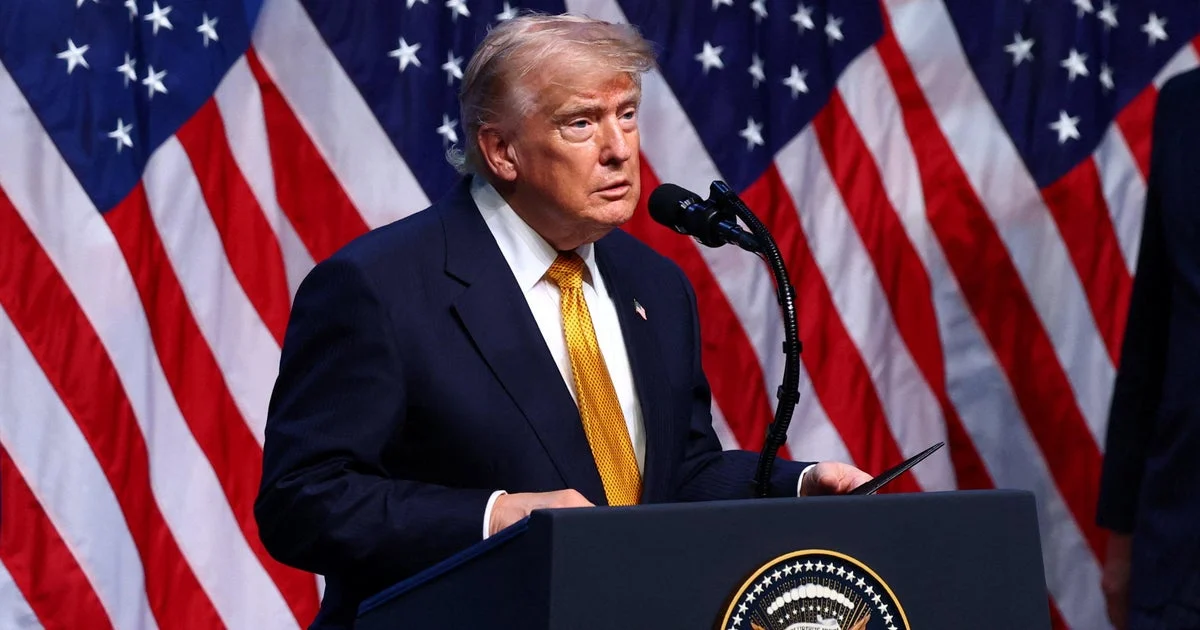
Before the strikes commenced, President Trump warned that the U.S. would “hit [Iran] hard again tonight” and declared the three-month-old ceasefire “over.” He later posted on Truth Social that “it will get much worse” should Iran continue attacks on shipping vessels.
Key Facts
The recent escalation began with Iranian attacks on three commercial oil tankers in the Strait of Hormuz on July 6 and 7, 2026. The U.S. retaliated Tuesday by striking dozens of Iranian targets and revoking a sanctions waiver that had allowed Iran to export oil. Following the U.S. strikes, Iran launched drone and missile attacks targeting Kuwait and Bahrain, both U.S. regional partners.
Last month, under a memorandum of understanding, the U.S. and Iran agreed to a 60-day extension of a ceasefire, reopening the Strait of Hormuz, ending the U.S. blockade of Iranian ports, and commencing easing of sanctions. They also agreed to continue talks focusing on issues such as Iran’s nuclear program. However, tensions persisted with mutual accusations of ceasefire violations.
What This Means
The renewed military confrontations mark a significant setback for diplomatic efforts aimed at stabilizing U.S.-Iran relations and securing safe passage through the Strait of Hormuz, a crucial artery for global oil shipments. The ceasefire, designed to reduce regional conflict and facilitate negotiations, now appears defunct as both sides engage in escalating military actions.
This intensification increases the risk of a broader conflict in a geopolitically critical region, potentially disrupting oil markets and heightening security concerns among Gulf allies and global powers. It underscores the fragility of ceasefire agreements when underlying disputes over regional control, sanctions, and Iran’s nuclear ambitions remain unresolved.
For ordinary citizens and global consumers, this could translate into higher gasoline prices and instability in supply chains linked to Middle Eastern energy exports. For policymakers, the developments highlight the challenge of balancing military deterrence with diplomatic engagement in fragile peace processes.
Background
Relations between the U.S. and Iran have been strained for years, with periodic flare-ups involving sanctions, military skirmishes, and diplomatic overtures. The ceasefire agreement, signed just last month, sought to halt active hostilities, reopen crucial maritime routes, and ease economic restrictions. Despite this, intermittent clashes and mutual distrust hindered progress, culminating in recent attacks on commercial vessels and retaliatory strikes.
President Trump’s skepticism toward Iranian intentions and his administration’s hardline measures, including renewed sanctions and military responses, have shaped the current environment. His public statements convey a commitment to maintaining pressure on Iran, even as official negotiators attempt to sustain dialogue.
What Comes Next
Questions remain around the future of the ceasefire and the scheduled negotiations on nuclear and regional security matters. Both sides must decide whether to recommit to talks or continue on a collision course that risks further military confrontations. Additional U.S. military or diplomatic responses could unfold depending on Iran’s next moves, particularly concerning attacks on shipping or allied partners.
Sources
This article is based on reporting and publicly available information from the following source:
Read more US News stories on Goka World News.