
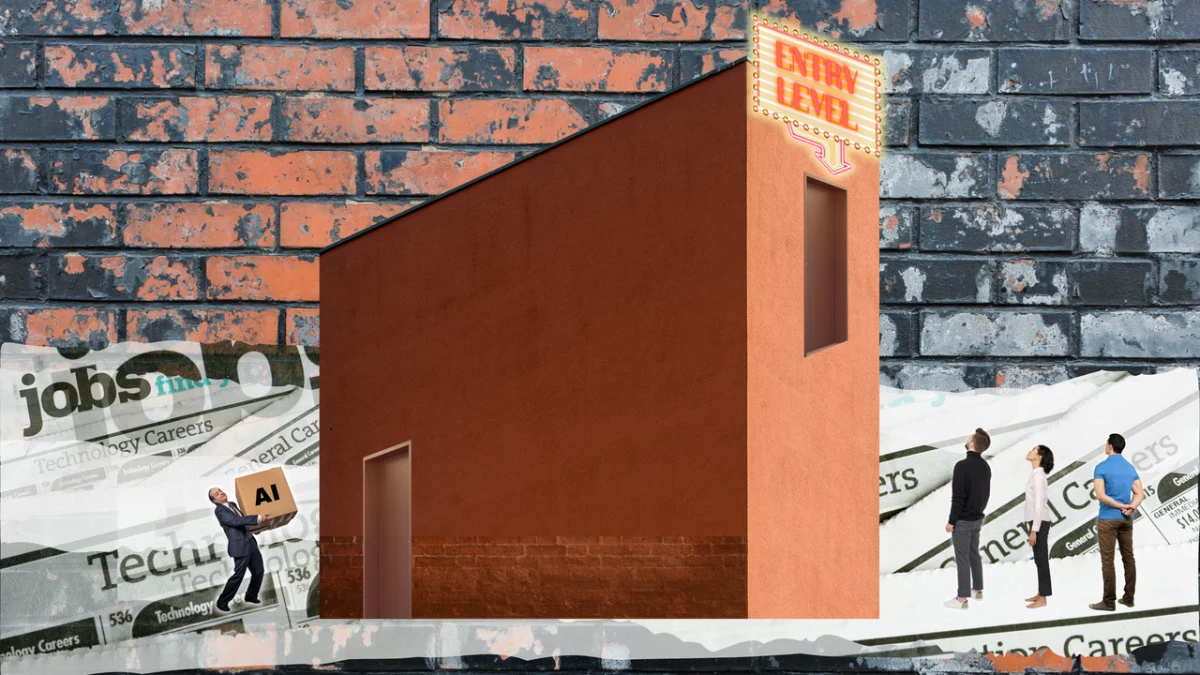
A federal judge in San Francisco has allowed a class-action lawsuit to proceed against Workday, a provider of AI-powered hiring software, in a landmark case that probes accountability for alleged discriminatory practices embedded in automated recruitment systems. The ruling on June 22 underscores the growing legal scrutiny of AI’s role in hiring and the unresolved assignment of responsibility among AI vendors and employers.
What Happened
On June 22, a federal judge presiding over a case in San Francisco ruled that Derek Mobley’s class-action lawsuit against Workday can continue. Mobley alleges that Workday’s hiring software systematically rejected him from more than 100 job applications by employing screening criteria that violate California civil rights laws and the Americans with Disabilities Act (ADA). Key to the claims is Workday’s use of proxies for disabilities, such as gaps in employment history, which allegedly led to biased outcomes. This judicial decision explicitly requires Workday to respond to the charges rather than dismissing the case at an early stage.
Key Facts
The litigation centers on Workday’s AI-driven recruitment software deployed by multiple employers to pre-screen job applicants. Mobley contends that the system’s algorithms indirectly discriminate by leveraging indicators correlated with disabilities, thereby contravening established anti-discrimination statutes under California state law and the federal ADA. Workday defends its technology by asserting that its tools evaluate qualifications but do not make the ultimate hiring decision—the employers do. However, the judge’s ruling opens the door to holding both the employer and vendor accountable.
This case is significant as it reflects a broader judicial approach holding that employers remain responsible for discriminatory hiring outcomes even when decisions are partly or wholly influenced by automated tools. It parallels earlier decisions affirming that vendors like Workday can share liability when employers delegate hiring processes to automated systems. Several U.S. states and cities have enacted or proposed laws requiring bias audits and transparency notices for automated hiring systems, though comprehensive federal AI hiring regulations remain pending.
What This Means
The court’s ruling marks a pivotal moment in AI governance by challenging the widely used narrative that AI vendors evade liability by framing hiring decisions as employer-controlled. It emphasizes that responsibility does not dissipate when an AI system is involved; rather, both vendors and employers can be held liable for discriminatory outcomes stemming from algorithmic screening. For job seekers, this means that legal recourse is possible even when no human explicitly makes a biased decision, as accountability rests with the institutions implementing these technologies.
Moreover, the case exposes the problematic “moral crumple zone” concept, where human operators merely approve AI recommendations without meaningful authority to challenge them, effectively insulating institutions from accountability. This situation raises concerns about the transparency and fairness of automated hiring practices, urging regulators, companies, and courts to clarify and enforce standards that ensure human oversight translates into genuine control and responsibility.
For employers, vendors, and regulators, the ruling underscores the urgency to establish clear compliance frameworks around AI hiring tools, including rigorous bias testing and definable accountability. Without such frameworks, automated employment decisions risk perpetuating systemic discrimination while obscuring responsibility behind layers of automation and human ratification.
Background
This case emerges amid ongoing debates over AI ethics and legal responsibility. While the European Parliament recently postponed obligations under the AI Act concerning high-risk systems like hiring tools until December 2027, the U.S. Congress has taken more targeted steps, such as the introduction of the AI Incident Reporting Act focusing on reporting dangerous AI capabilities rather than comprehensive regulation. Meanwhile, legal actions like Mobley’s lawsuit are beginning to fill governance gaps by applying existing civil rights laws to AI-driven discrimination.
What Remains Unclear
It remains uncertain how courts will ultimately balance the division of accountability between AI vendors and employers. The extent to which human reviewers can or must intervene to correct AI assessments before decisions are finalized is also unresolved. Additionally, broader legislative initiatives aimed at clarifying AI liability and procedural safeguards for affected individuals have yet to gain decisive traction in U.S. federal policy.
What Comes Next
Following the judge’s approval to proceed, the lawsuit will enter discovery and may serve as a bellwether for future cases addressing automated hiring discrimination. Meanwhile, policymakers are expected to continue debating AI regulation, with particular attention to establishing standards for bias mitigation, transparency, and enforceable accountability in recruitment algorithms. The industry will likely face increased pressure to demonstrate that human involvement in AI-assisted hiring is substantive rather than procedural.
Sources
This article is based on reporting and publicly available information from the following sources:
Read more AI Regulation stories on Goka World News.