
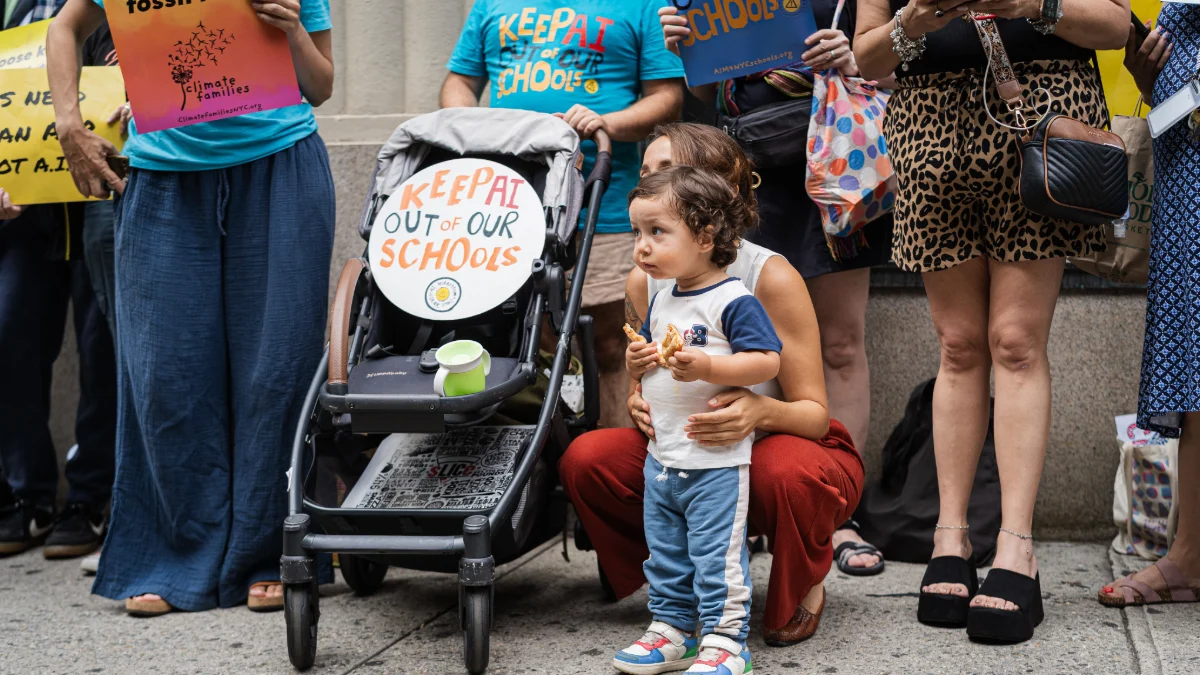
Public school districts in the United States are taking significant steps to restrict student use of artificial intelligence (AI) applications in classrooms ahead of the 2026 school year, with New York City and Los Angeles implementing moratoriums and bans on student-facing AI tools. These measures highlight a growing trend among education authorities to regulate AI’s role in K–12 learning environments amidst rising concerns from educators, parents, and advocacy groups.
What Happened
On July 31, 2026, New York City Mayor Zohran Mamdani and Schools Chancellor Kamar Samuels announced a one-year moratorium on generative AI use by students in all K–8 classrooms. High school students will have limited access to approved AI tools, effectively pausing the use of most AI applications in early education. This policy shift reversed draft guidance issued in March 2026, which had categorized AI uses by risk but delegated many user decisions to individual teachers. The new stricter stance came amid public backlash and stakeholder pressure following a series of consultations and protests over the summer.
On the same day, the Los Angeles Unified School District, serving approximately 378,000 students, announced a one-year moratorium on generative AI across all grades, halting student access to AI chatbots and similar technologies until further policy clarity is established.
Key Facts
- New York City’s moratorium applies to all K–8 public school classrooms and limits high school student access to approved AI tools for the 2026–2027 school year.
- The Los Angeles Unified School District has imposed a one-year moratorium on generative AI use for all its students.
- The New York City policy reverses earlier draft guidance that relied on a “stoplight” risk categorization system encouraging teacher discretion.
- Approximately 35 U.S. states have issued AI-related educational policy guidance, mostly emphasizing caution and AI literacy over outright bans.
- Local coalitions comprising teachers, parents, students, and activists, such as the AI Moratorium Coalition in New York, have actively campaigned for stronger restrictions.
What This Means
These new policies signify a cautious regulatory pivot as districts grapple with how to integrate AI responsibly in educational settings without compromising academic integrity or student development. The moratoriums reflect fears among educators and parents that unchecked AI use could undermine critical thinking skills, raise privacy issues, and exacerbate inequities in learning. By restricting AI in early grades and permitting limited use in higher grades, districts are balancing concerns over maturity, digital literacy, and educational utility.
For families and educators, the moratoriums introduce more consistent frameworks around AI use, aiming to reduce confusion caused by previously inconsistent or fragmented rules from classroom to classroom. The emphasis on AI literacy in broader district policies indicates a recognition that AI is becoming an unavoidable part of students’ lives and future workplaces.
These moves also highlight the still-evolving nature of AI governance in education, where policymakers are seeking to find a middle ground that protects students while exploring AI’s potential benefits. The focus on public input and the prospect of ongoing democratic engagement in policy decisions stress the importance of transparency and community involvement in shaping the future role of AI in schools.
Background
Earlier in 2026, New York City released draft AI guidance proposing a tiered “stoplight” system categorizing AI uses by risk level, with relatively permissive access governed by individual teacher judgment. This approach met with criticism from teachers, students, and parents who felt it led to inconsistent classroom policies and lacked clear direction. Meanwhile, other districts such as Chicago Public Schools had adopted cautionary measures emphasizing AI literacy and limited use rather than outright bans.
Nationally, advocacy coalitions have called for moratoriums on generative AI in schools due to concerns over data privacy, academic disruption, and equity. Some districts, such as Katy Independent School District (Texas) and Haddonfield District (New Jersey), had already restricted AI use for younger students prior to these developments.
The Bigger Picture
The policies emerging from New York City and Los Angeles are part of a broader trend in education policy toward addressing AI’s rapid integration. Schools nationwide face pressure to adopt frameworks that balance innovation with safety and fairness. While many districts currently rely on soft guidelines emphasizing teacher discretion and student education about AI, the recent shifts toward moratoriums suggest an appetite for stronger regulatory guardrails as uncertainties about AI’s impact persist.
This trend also mirrors wider societal debates about AI accountability, transparency, and ethics, especially surrounding generative AI tools. Education, as a foundational public institution, is becoming a key arena for early regulatory experimentation informing national AI governance approaches.
What Comes Next
New York City’s one-year moratorium is scheduled to last through the 2026–2027 school year, with officials indicating the intention to engage parents, teachers, and students in a more inclusive policymaking process thereafter. Discussions around staff use of AI and clearer evaluation metrics for AI tools remain ongoing. The Los Angeles district has not specified its timeline beyond the one-year pause but is expected to develop more detailed policies in that period.
At the state level, broader AI policy frameworks for education continue to evolve, with about 35 states offering some form of guidance though mostly advocating cautious integration rather than prohibition.
Sources
This article is based on reporting and publicly available information from the following source:
Read more AI Regulation stories on Goka World News.