
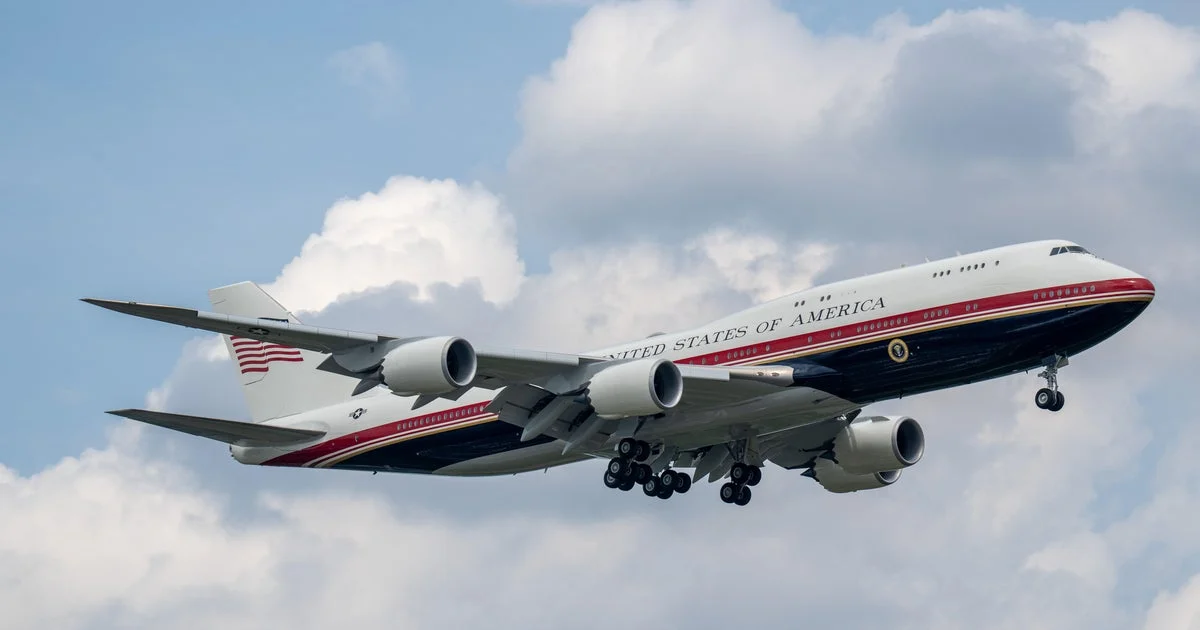
President Donald Trump departed the NATO summit in Turkey using an older model of Air Force One after U.S. intelligence uncovered a credible missile threat from Iran and its allied proxy groups. The move highlights ongoing security concerns amid rising tensions between the United States and Iran, with implications for presidential travel safety abroad.
What Happened
In July 2026, while attending the NATO summit in Ankara, Turkey, President Trump initially arrived using a newer Boeing 747-8 aircraft gifted by Qatar and customized for presidential use. However, upon concluding the summit, U.S. intelligence agencies detected a credible threat involving missile targeting by Iran-backed groups directed at the newer plane.
Acting swiftly, the U.S. Secret Service decided to pivot and have President Trump depart Turkey aboard the older Air Force One jet equipped with enhanced defensive technology, including laser systems capable of blinding or misdirecting incoming missiles. This older plane transported him from Ankara to the United Kingdom, before he resumed travel on the newer aircraft to return to the United States.
The White House has indicated the president will continue to use the older plane throughout the fall while the newer 747 undergoes additional security upgrades and enhancements expected to take about one month.
Key Facts
According to U.S. officials cited by CBS News and The New York Times, the missile threat originated from Iran and its proxy groups. Intelligence on the credible plot prompted heightened security measures involving the presidential fleet. The older Air Force One jets include laser countermeasures tailored to defend against missile attacks, systems reportedly absent or unconfirmed on the newly gifted Qatari plane.
White House press secretary Karoline Leavitt confirmed that while the new aircraft is safe, further upgrades are underway to enhance its defensive capabilities. President Trump himself acknowledged the capabilities of the older jet, noting that it would be “maxed out” during the upgrade period. Earlier in July, Trump publicly warned of military readiness, claiming that “1,000 missiles were locked and loaded” in response to any assassination attempts by Iran.
What This Means
The decision to revert to the older Air Force One amid credible threats from Iran underscores the heightened risk environment for U.S. leaders traveling in volatile regions. Such security shifts reflect the ongoing and escalating conflict dynamics between Washington and Tehran, which could complicate diplomatic engagements and summit attendance. The incident also highlights the critical importance of robust protection systems on presidential transport, especially as new aircraft are introduced into service.
For global observers, these developments illustrate the persistent dangers posed by proxy warfare and missile capabilities wielded by Iran-aligned groups, which threaten not only regional stability but also the safety of international diplomatic activities. The U.S. government’s rapid adaptability in response to intelligence serves as a reminder that security measures for state leaders must constantly evolve to address emerging threats in real time.
For ordinary citizens, the episode draws attention to how geopolitical tensions and intelligence assessments directly shape travel security protocols at the highest levels, affecting the conduct of international diplomacy and the perception of risks abroad.
Background
The United States and Iran have seen heightened tensions since the deterioration of their nuclear deal and increasing proxy conflicts across the Middle East. Numerous Iranian-backed groups have been linked to missile attacks and destabilizing activities targeting U.S. interests. The Qatari government gifted the newer Boeing 747-8 to the United States last year, reflecting deepening ties but also raising questions about readiness and security. The ongoing war with Iran has seen repeated threats and military posturing from both sides, as acknowledged publicly by President Trump and military officials.
What Comes Next
The White House has announced scheduled enhancements to the newer Air Force One aircraft during the coming fall, expected to last approximately one month. President Trump will continue to use the older plane until the upgrades are completed. These enhancements are designed to ensure the new plane meets stringent security standards for presidential travel amid ongoing threats.
Sources
This article is based on reporting and publicly available information from the following sources:
Read more US News stories on Goka World News.