
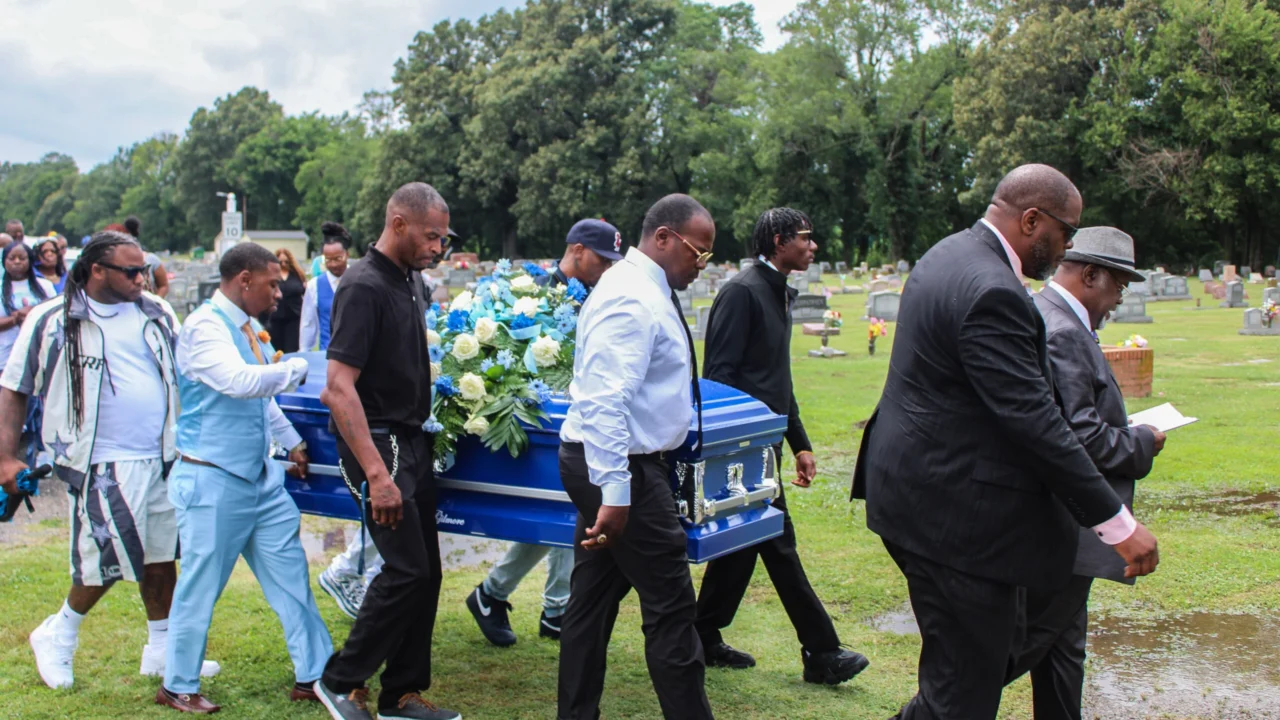
The death of Lloyd Gilmore, a 44-year-old Sikeston, Missouri resident with known mental health challenges, while in police custody has reignited longstanding fears over police brutality and racial bias in the small city. According to reports obtained by KFF Health News, Gilmore died after a physical altercation with seven officers, during which he was shocked with a Taser and restrained using hobble restraints. The incident underscores ongoing public health concerns related to law enforcement’s handling of individuals experiencing mental health crises in communities marked by racial violence.
What Happened
On June 10, Lloyd Gilmore approached the Sikeston Police Department seeking help, allegedly speaking incoherently to officers. According to the police report, a confrontation ensued involving seven officers, during which Gilmore was stunned with a Taser and placed in hobble restraints, which bind hands and feet behind the back. The report also noted that Gilmore bit an officer’s hand without breaking the skin amid the altercation. Emergency medical services sedated him and transported him to a hospital, but Gilmore died before or shortly after hospitalization. His cause of death remains officially undisclosed pending toxicology results. The Missouri State Highway Patrol is investigating and is expected to forward findings to the county prosecuting attorney.
Key Facts
Gilmore was 44 and had documented mental health issues, which his daughter said prompted him to seek safety by going to the police station that day. Two autopsies were performed, but as of mid-July, no official cause of death had been released. A police report charges Gilmore with third-degree assault and resisting arrest, citing five officers as victims. His daughter disputed police claims, noting the rapid timeline made overdosing improbable. Sikeston’s police department acknowledged prior interactions with Gilmore, including a 2020 incident in a neighboring jurisdiction where he was reportedly “excessively tased” and beaten, resulting in a $65,000 settlement years later.
What This Means
Gilmore’s death exposes critical gaps in how law enforcement addresses mental health crises, particularly among Black residents in historically racially fraught areas like Sikeston. The use of force methods such as Tasers and hobble restraints, especially without transparency over cause of death, fuels distrust and trauma in communities already battling longstanding inequities. It also highlights the importance of integrating public health perspectives into policing, emphasizing de-escalation and specialized crisis response teams. The community’s reaction, including calls for accountability and a more humane approach, reflects broader national debates about police reform and racial justice that remain unsettled six years after the George Floyd protests. Furthermore, Gilmore’s death and the slow official response underscore persistent challenges in collecting and publicly reporting data on in-custody deaths, vital for informing policy and protecting vulnerable populations.
Background
Sikeston’s history includes episodes of racial violence dating back to the 1940s lynching of Cleo Wright and more recent police shootings. The 2020 police killing of unarmed Black resident Denzel Taylor, also in Sikeston, drew widespread attention and revealed strained relations between Black residents and the police. Community activists and organizations like Sikeston’s NAACP chapter have long alleged racial bias and demanded reform. National reports, including one from the National Academies of Sciences, Engineering, and Medicine, have called for mandatory statewide collection of data on deaths in custody, emphasizing disproportionate impacts on Black men. Yet funding and public focus on racial equity and violence prevention efforts have waned amid political pushback and shifting priorities in recent years.
Analysis
Roger Mitchell Jr., outgoing president of the National Medical Association representing Black physicians, emphasized that deaths in custody disproportionately affect Black men and represent a public health crisis. Civil rights leaders like Sikeston NAACP president Mark Wiggins argue that while communities require effective policing, it must be equitable and free of racial targeting. Local law enforcement officials acknowledge fractured relationships with Black residents but cite limited engagement and complex community dynamics. Specialized non-police crisis intervention teams seen in other jurisdictions are currently absent.
What Remains Unclear
The exact cause of Lloyd Gilmore’s death remains unconfirmed, pending toxicology and official autopsy results. It is also unclear why the officers involved were not immediately placed on administrative leave, raising questions about investigative protocols. The degree to which mental health considerations were integrated into the police response has not been detailed. Additionally, the full scope of reforms or accountability measures the city might implement remains uncertain.
What Comes Next
The Missouri State Highway Patrol’s investigation is ongoing with expected referral to prosecuting authorities. Local officials have faced public pressure to increase transparency and improve police-community relations, but concrete policy changes have yet to be announced. The community continues to await further information and action regarding Gilmore’s death.
Sources
This article is based on reporting and publicly available information from the following sources:
Read more US News stories on Goka World News.