
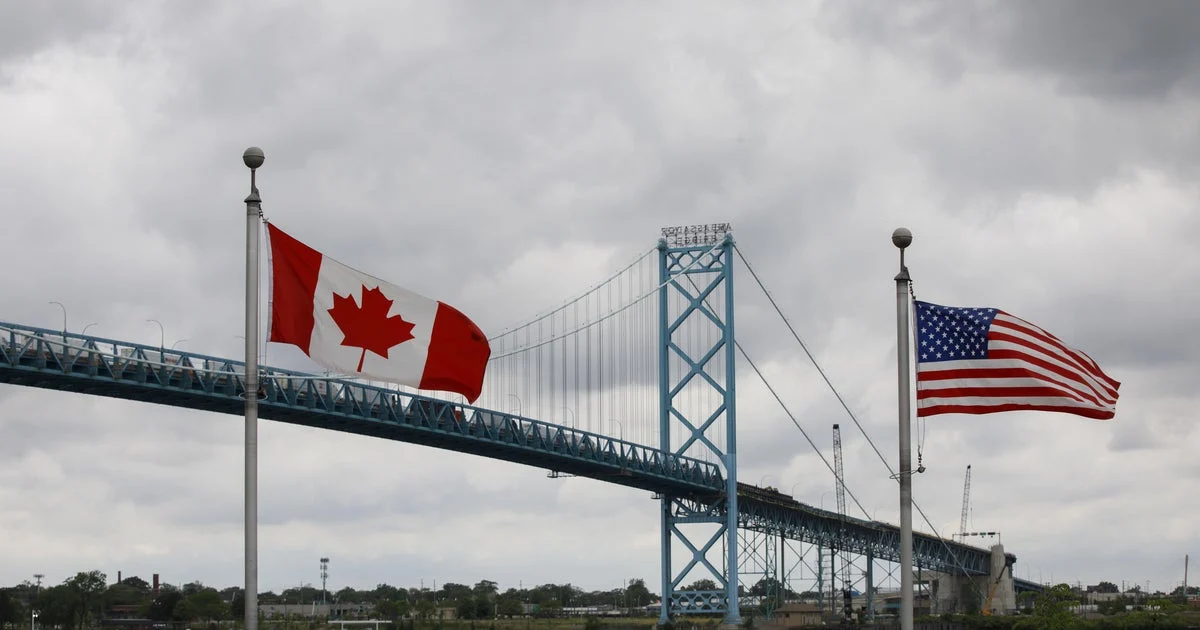
Canadian tourism to the United States experienced a sharp decline in 2025, with visits dropping by roughly 25%, leading to a decrease in tourism spending by nearly $1.7 billion, according to Canadian government data. This downturn reflected broader political and trade frictions between the two neighbors during the period.
What Happened
In 2025, Canadian visits to the U.S. fell by approximately 7.1 million compared to 2024, resulting in Canadian tourism expenditures in the U.S. decreasing from nearly $15 billion in 2024 to $13.3 billion in 2025. This drop occurred amid escalated tensions under the Trump administration, including controversial tariffs on key Canadian industries and contentious remarks made by President Trump regarding Canada’s status. These strained diplomatic exchanges contributed to Canadians opting for increased domestic travel and alternative international destinations in 2025.
Key Facts
Canadian government tourism data highlighted several key figures for 2025:
- Visits by Canadians to the U.S. declined by roughly 7.1 million from the previous year.
- Tourism spending by Canadians in the U.S. fell from nearly $15 billion in 2024 to $13.3 billion in 2025.
- Domestic travel within Canada increased by 5.1 million trips.
- International travel by Canadians to destinations other than the U.S. rose by 1.3 million visits.
What This Means
The substantial drop in Canadian tourism to the U.S. had notable economic implications on both sides of the border. For the United States, fewer Canadian visitors reduced spending in key sectors like hospitality, retail, and entertainment, potentially impacting local economies reliant on cross-border tourism. For Canada, the increase in domestic travel brought a welcome boost to the national tourism industry, stimulating local businesses and regional economies within the country.
These travel shifts also underscore how political tensions and trade disputes can directly influence consumer behavior and cross-border economic flows. Canadian tourists prioritized safety, costs, and diplomatic climate when planning trips, reflecting broader uncertainty in Canada-U.S. relations during 2025. This dynamic highlights the vulnerability of tourism sectors to geopolitical factors beyond seasonal demand or typical economic cycles.
Background
Canada and the United States have historically enjoyed strong tourism ties, with Canadians frequently traveling south for vacations and family visits due to geographic proximity and warmer climates. However, under President Trump’s administration, strained relations emerged, particularly related to tariffs on Canadian steel and automobiles, seen as detrimental to Canadian workers and growth. Notably, President Trump’s suggestion that Canada should become the “51st state” sparked notable backlash from Canadian leadership, symbolizing deeper diplomatic friction affecting public sentiment.
Sources
This article is based on reporting and publicly available information from the following source:
Read more Business stories on Goka World News.