
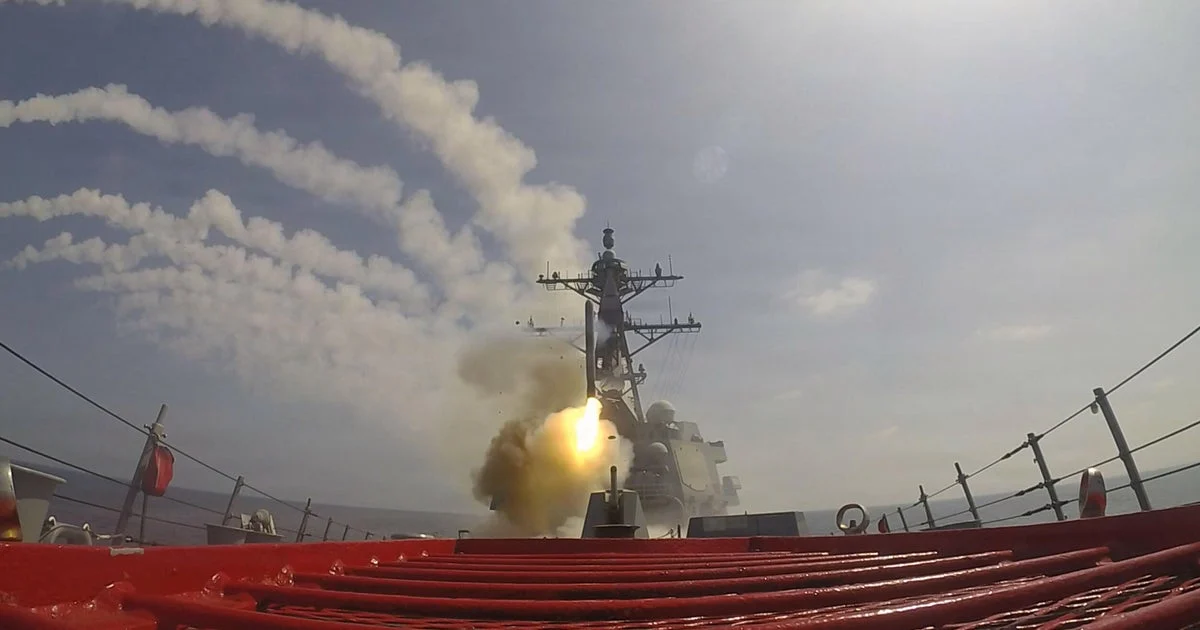
The U.S. and Saudi Arabia conducted coordinated airstrikes on Iranian-aligned militias in Iraq following a series of drone attacks and an attempted missile strike targeting American and Saudi forces. The operation aimed to disrupt “terrorist logistics and weapons sites” across eastern Iraq, marking a significant military response amid ongoing tensions in the region.
What Happened
The strikes took place late Tuesday in eastern Iraq, where U.S. Central Command (CENTCOM) and the Saudi Ministry of Defense targeted locations linked to Iran-backed paramilitary groups. The action was a direct response to more than 30 unsuccessful drone attacks conducted over the previous three days against U.S. personnel and Saudi energy infrastructure. The Saudi military reported intercepting drones launched from Iraq aimed at vital petroleum facilities in Riyadh and eastern Saudi Arabia.
CENTCOM also disclosed that on the same day, Iran’s Islamic Revolutionary Guard Corps (IRGC) attempted a ballistic missile attack on U.S. forces, which was intercepted before causing damage. The strikes followed nearly two weeks of nightly U.S. attacks on Iranian targets that paused last Thursday under ongoing diplomatic overtures between the U.S. and Iran.
Key Facts
At least 10 members of the Popular Mobilisation Forces (PMF), a coalition of Iran-backed militias, were killed in the strikes as reported by two independent sources via the French AFP news agency. While neither the U.S. nor Saudi officials named specific groups targeted, Iran supports multiple Shiite militias in Iraq, including U.S.-designated terrorist organizations like Kata’ib Hezbollah.
CENTCOM explicitly attributed the recent attacks on U.S. assets to Iran’s IRGC and warned that continued aggression would provoke further military responses. President Trump expressed cautious optimism about diplomatic talks with Iran but reaffirmed readiness to “finish the job” militarily if an agreement with Tehran could not be reached.
What This Means
This joint U.S.-Saudi military action underscores the fragility of the current U.S. approach toward Iran, blending efforts at diplomacy with targeted military pressure. For American personnel stationed in Iraq, these strikes are a direct measure to deter and diminish immediate threats posed by Iran-backed militias. For Saudi Arabia, the operation signals a commitment to defending critical energy infrastructure from regional proxy attacks.
Given the recent uptick in hostile activities involving drones and missile launches, this response likely aims to recalibrate deterrence without escalating into full-scale conflict. The strikes also demonstrate the complexity of balancing diplomatic talks with forceful interventions in an environment where Iran-backed groups continue aggressive actions against U.S. and allied interests. For the general public and policymakers, this situation highlights the ongoing security challenges in Iraq and the wider Middle East that can impact global energy markets and regional stability.
What Comes Next
The U.S. and Saudi military commands have not announced any immediate follow-up strikes, but CENTCOM’s warning indicates that further military responses are likely should attacks persist. Diplomatic engagement with Iran remains uncertain as Tehran has declined direct talks, particularly over contentious issues such as uranium enrichment and control of the Strait of Hormuz. Ongoing monitoring of militia activity in Iraq and missile threats across the region will likely continue as part of U.S. and Saudi defense strategies.
Sources
This article is based on reporting and publicly available information from the following source:
Read more US News stories on Goka World News.