
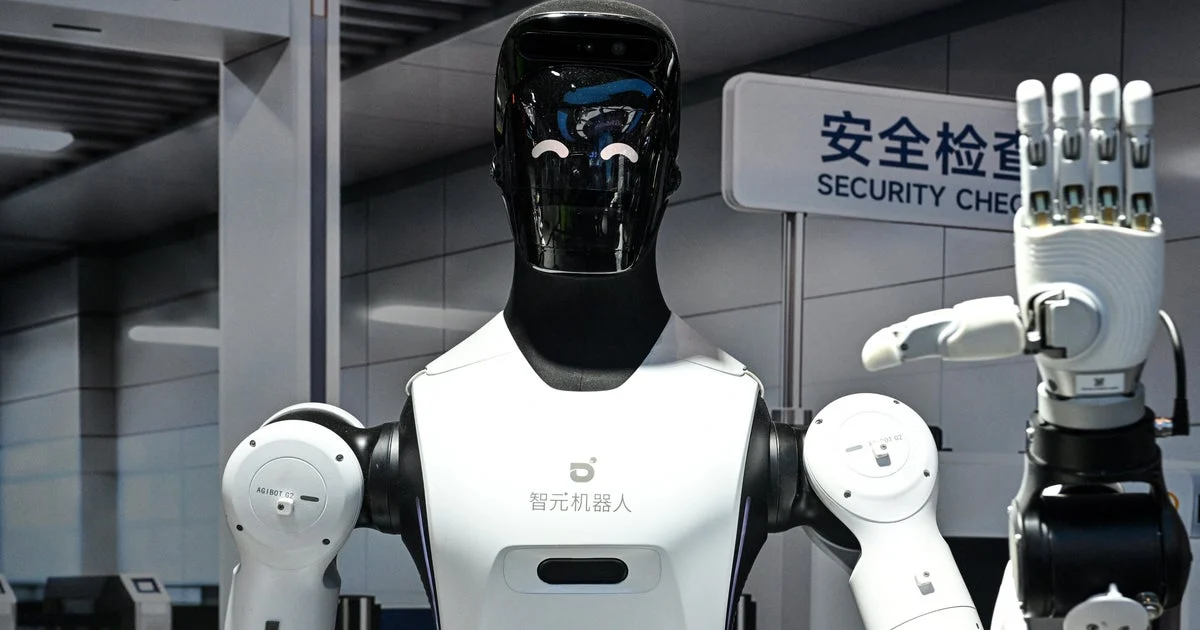
Major airlines are increasingly banning humanoid and animal-like robots from flights, citing the safety risks posed by the lithium-ion batteries that power these devices. This growing policy shift comes amid early signs that robot companions and assistants could become more common among travelers in the near future.
What Happened
In the past several months, airlines including Southwest, United, and Delta have instituted bans on humanoid robots traveling in passenger cabins or checked luggage. Southwest Airlines initiated the trend earlier this year after a passenger boarded a flight with a robot companion. They cited concerns over battery safety as the primary reason for prohibiting these devices on board. United Airlines followed with a ban effective July 23, describing the move as proactive to prepare for the rising adoption of such technology. Delta Air Lines also announced a similar ban in June specifically targeting robots containing lithium batteries that exceed allowed watt-hour limits, recognizing the fire and security risks associated with them.
Key Facts
Airlines have focused their policies on devices that resemble humanoid or animal-like robots, powered mainly by lithium-ion batteries. These batteries can pose fire hazards if they explode or are mishandled, which is why many airlines regulate their capacity strictly. United Airlines’ policy does not cite specific prior incidents but aims to maintain passenger and crew safety as the use of such robots could become more prevalent. Delta’s ban aligns with their existing restrictions on lithium batteries exceeding certain watt-hour thresholds. Airlines like JetBlue and American Airlines have yet to comment or establish similar restrictions publicly.
What This Means
This trend highlights the growing intersection of emerging robotics technology and existing aviation safety regulations. Lithium-ion batteries have long been a known fire risk in air travel, leading to strict limits and bans on certain devices. Humanoid robots, while not widespread in passenger travel yet, often require large, heavy batteries that trigger these regulations. For travelers interested in carrying robotic companions or equipment, this means increased scrutiny, and a probable need to seek airline approval or avoid air travel with such devices altogether.
Moreover, the bans indicate a cautious approach by airlines to balance innovation with safety. As the use of personal and service robots expands outside controlled environments into daily life and travel, aviation policies will likely continue adapting. This could affect researchers and technology demonstrators who currently use robots for exhibitions or field trials and might face challenges transporting these devices by air. Ultimately, these measures serve to preemptively mitigate potential hazards before accidents occur, prioritizing customer and crew safety above new technology integration.
Background
Humanoid robots remain uncommon outside labs and industrial settings but are increasingly viable in consumer contexts, driven by advances from companies and advocates like Elon Musk, who foresee their broader everyday use. Safety concerns around lithium-ion batteries are longstanding in aviation; incidents of battery fires in devices like laptops and e-cigarettes have shaped robust regulations. The recent bans on robots reflect a continuation of these safety efforts applied to new categories of electronics.
Sources
This article is based on reporting and publicly available information from the following source:
Read more Business stories on Goka World News.