
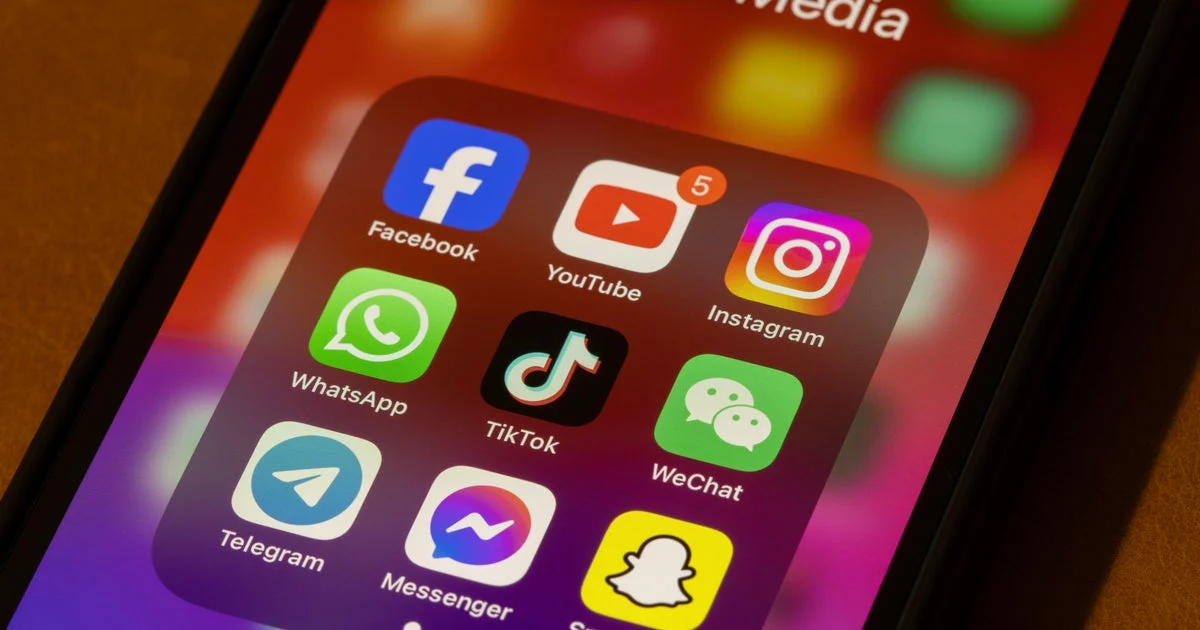
A U.S. federal appeals court has cleared the way for thousands of lawsuits accusing major social media platforms of promoting addictive use and harming users’ mental health. The U.S. Court of Appeals for the Ninth Circuit denied an appeal from the parent companies of Instagram, TikTok, and other platforms, rejecting their claim to immunity under Section 230 of the Communications Decency Act.
What Happened
On Monday, the Ninth Circuit ruled against Alphabet’s Google; Meta, which owns Facebook and Instagram; Snap, owner of Snapchat; and ByteDance, owner of TikTok, allowing legal challenges over addictive social media designs to proceed. The companies had sought to overturn a prior California district court decision that permitted the lawsuits. The tech firms argued that Section 230, which protects online service providers from liability for user-generated content, also shields them from accusations that their services caused addiction by failing to warn users.
In her opinion, Circuit Judge Jacqueline Hong-Ngoc Nguyen stated that while Section 230 does not explicitly grant immunity from lawsuits, Meta’s request that such immunity be implied was rejected. The dispute centers on whether the social media companies can be held responsible for designing products that allegedly promote harmful and addictive behaviors.
Key Facts
- The ruling was issued by the U.S. Court of Appeals for the Ninth Circuit.
- The defendants include Meta (Facebook and Instagram), Alphabet’s Google (YouTube), Snap (Snapchat), and ByteDance (TikTok).
- The companies cited Section 230 of the Communications Decency Act in seeking immunity from liability claims.
- Previous litigation: In March, Meta and YouTube were found liable for creating addicting products that harmed young users.
- TikTok and Snap settled an original complaint in January before the trial began.
- The trial jury awarded $6 million to the lead plaintiff in the prior case involving Meta and YouTube.
- Google, Meta, Snap, and TikTok did not provide immediate comments after the ruling.
What This Means
This ruling marks a significant setback for major social media companies seeking broad protections from legal accountability over the mental health impacts of their platforms. Allowing these lawsuits to proceed signals judicial willingness to scrutinize how platform design choices might contribute to addiction and psychological harm, beyond their role as hosts for user content. Users, especially young people, who experience harmful effects from prolonged or compulsive social media use may find new avenues to seek legal redress.
For the technology industry, the decision raises the stakes regarding platform responsibility and could inspire companies to reassess how their algorithms and user engagement tactics might inadvertently nurture addictive behaviors. Regulators and lawmakers may also look to this litigation as a catalyst to revisit or refine laws governing online platform liability and safety warnings.
Consumers and parents concerned about social media’s impact on mental health may gain more leverage to demand transparency and safety improvements, potentially influencing platform policies and features designed to mitigate addictive usage.
Background
This case builds on earlier litigation challenging social media platforms’ accountability for mental health harms. Notably, a March trial found Meta and YouTube liable after a jury linked their products’ design to addictive behavior in young users. TikTok and Snapchat faced similar complaints but settled before trial. The courts have so far rejected the platforms’ argument that Section 230 immunity protects them from all claims, distinguishing between liability for third-party content and responsibility for the platforms’ own design choices.
What Remains Unclear
The full scope of the litigation, including how many plaintiffs will ultimately pursue claims and whether future rulings will broaden or narrow platform liability, has not been confirmed. It is also unknown how tech companies will respond strategically or whether further settlements might be reached.
Sources
This article is based on reporting and publicly available information from the following source:
Read more Digital Policy stories on Goka World News.