
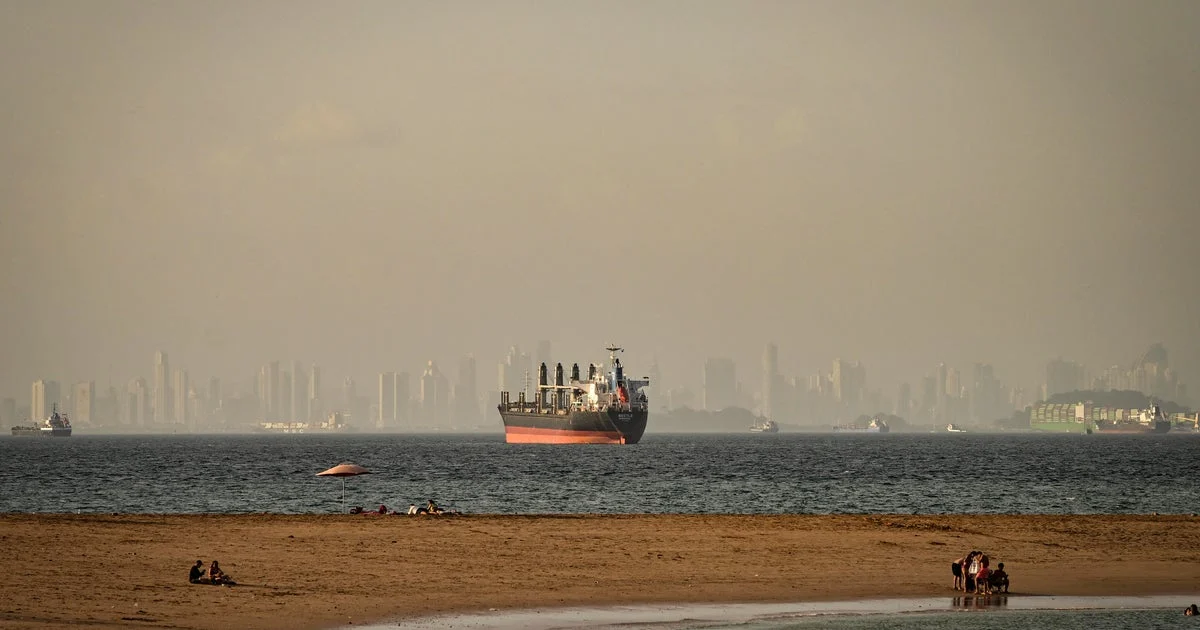
The ongoing conflict in the Strait of Hormuz has spotlighted how disruptions in key global shipping routes can directly affect the cost of consumer goods, particularly gasoline prices in the United States. A recent report from Oxford Economics identifies 27 major global trade chokepoints where disruptions—whether from geopolitical tensions or climate-change-related events—could result in significant economic consequences.
What Happened
Since the outbreak of conflict involving Iran nearly six months ago, shipping traffic through the Strait of Hormuz—a strategic passage responsible for transporting one-fifth of the world’s oil supply—has been severely affected. Strikes on commercial vessels have escalated concerns over the security of this route, leading to surges in global oil prices that pushed U.S. gasoline prices above $4 per gallon and contributed to broader inflationary pressures. Multiple U.S.-Iran peace negotiations have faltered, with both sides vying for influence over this key waterway. Oxford Economics’ report extends this cautionary narrative by identifying 26 additional critical trade chokepoints worldwide, warning that disruptions in these areas could pose similar risks to the global economy.
Key Facts
The Oxford Economics report reveals the geographic distribution and significance of these chokepoints:
- Asia hosts the densest cluster, including the Strait of Malacca—located between Indonesia and Malaysia—and the Taiwan Strait, responsible for roughly a quarter of global trade passage.
- The Mediterranean features critical points such as the Strait of Gibraltar, which handles approximately one-fifth of global trade, and the Suez Canal in Egypt, a vital artificial waterway.
- For the Americas, the Panama Canal remains a crucial corridor, with around 40% of U.S. container traffic flowing through it annually, as reported by the Council on Foreign Relations.
The report highlights two primary threats to these chokepoints: geopolitical conflicts seeking leverage over vital trade routes, exemplified by the Hormuz tensions, and climate change effects increasing natural disasters that disrupt shipping. One example includes the Panama Canal facing drought and El Niño-induced warm ocean temperatures, which have lowered water levels and reduced cargo capacity.
What This Means
The report underscores the vulnerability of global supply chains to localized disruptions in high-traffic maritime passages. For millions of consumers, this can translate into higher prices on everyday essentials, from gasoline to manufactured goods, due to the increased costs of rerouting shipments or delays caused by disrupted traffic.
Unlike some other chokepoints, the Strait of Hormuz lacks viable alternative routes, making the global energy market particularly susceptible to tensions there. Other chokepoints with potential rerouting options still face cost challenges, as ships traveling longer distances increase fuel consumption, wages, and freight charges.
Furthermore, prolonged shipping times reduce the availability of commercial vessels, exacerbating supply-demand imbalances and driving logistics costs upward. These cascading effects reveal how geopolitical and environmental risks can intertwine to disrupt trade, inflation, and ultimately the broader economy.
Background
The Strait of Hormuz has long been recognized as a fragile but essential artery for global energy shipments. Recent escalation in Iranian-U.S. tensions has intensified concerns, with the conflict drawing international attention to how maritime chokepoints serve not only as commercial conduits but also strategic geopolitical flashpoints.
Historically, other key canals and straits such as Suez and Panama have faced similar disruptions, either from conflict or environmental factors, demonstrating the global economy’s dependence on these narrow maritime routes.
Sources
This article is based on reporting and publicly available information from the following source:
Read more Business stories on Goka World News.