
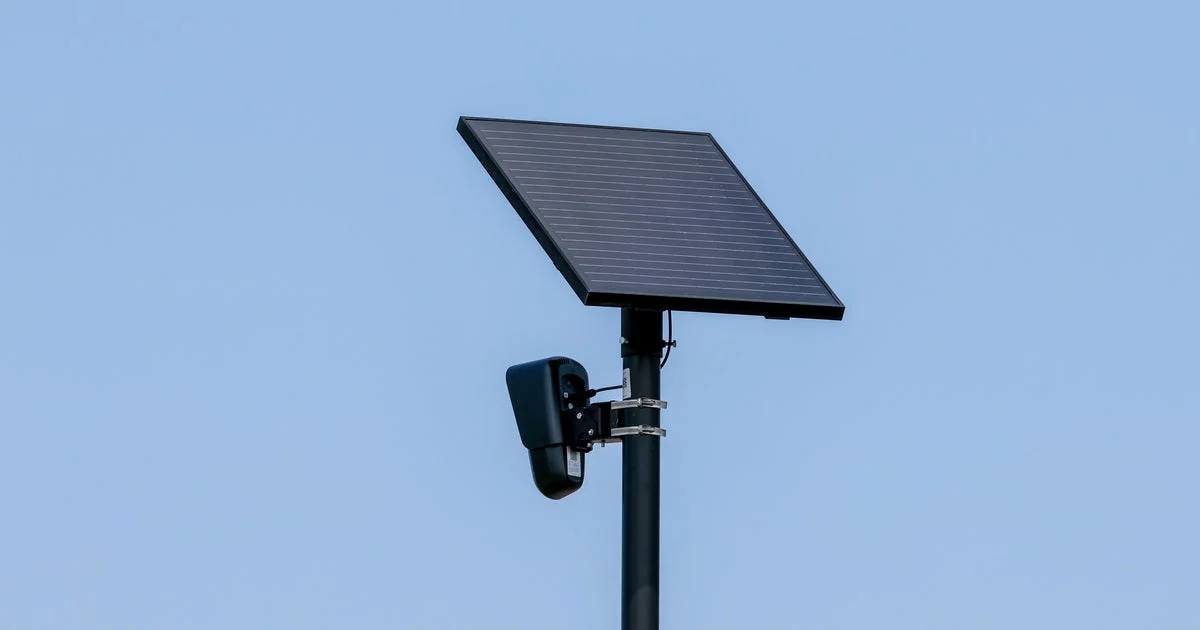
Flock Safety, the company behind a nationwide network of license plate cameras used by police and private customers, is facing increasing attention after revelations about license plate searches and concerns over misuse of its surveillance technology. An independent website, HaveIBeenFlocked.com, provides the public with a searchable database where drivers can check whether their license plates have been queried in Flock’s system, further highlighting privacy debates surrounding the firm.
What Happened
HaveIBeenFlocked.com has compiled more than 4.6 million license plate records from roughly 242 million Flock Safety searches, sourced from public audit logs related to local government transparency efforts. By entering a license plate number, users can see if it has been searched by Flock’s customers—including law enforcement agencies, schools, and municipalities—but not whether it has been captured by the cameras themselves. The site, a nonprofit initiative funded by the Alternative Newsweekly Foundation, states it does not store any data input by users.
Meanwhile, Flock Safety has been embroiled in controversy after reports surfaced accusing 46 law enforcement officers of using the system’s data for unauthorized surveillance, including alleged stalking. Company CEO Garrett Langley publicly apologized and announced operational changes to tighten data access. In an interview, Langley also denied claims that Flock tracks cellphones or uses facial recognition technology, calling some criticisms “misinformation.”
Key Facts
The searchable license plate database contains:
- Over 4.6 million license plate records from Flock Safety searches
- Audit logs aggregated from public records and transparency portals
- Data representing searches made by customers such as police and local governments
- Approximately 242 million total searches recorded in the system
HaveIBeenFlocked emphasizes a delay of months or years may exist between a search and its appearance in the database. The company behind the tool has incomplete access to logs, and some may be redacted.
What This Means
The release of this extensive search data through an independent platform underscores growing public concern over surveillance and privacy in the use of license plate reader technologies. As communities increasingly adopt automated license plate readers to enhance public safety, the risk of misuse — such as unauthorized surveillance by law enforcement personnel — threatens to erode trust.
For ordinary drivers, tools like HaveIBeenFlocked.com offer a rare opportunity to understand how their vehicle information is monitored and queried, offering transparency that Flock Safety itself does not publicly provide. This transparency could pressure law enforcement agencies and private customers to adopt stricter oversight and data governance practices.
At a broader level, this case exemplifies the tension between leveraging technology for crime prevention and safeguarding civil liberties. The public reaction and company responses may influence how surveillance technology providers structure access, auditing, and compliance in the years ahead.
Background
Flock Safety operates thousands of cameras nationwide that scan vehicle license plates along with capturing characteristics like make and color. Police agencies use the system to locate suspects, stolen vehicles, and missing persons. However, reports of law enforcement abuse of Flock’s data have prompted scrutiny from both media and privacy advocates.
Other civic initiatives like DeFlock have also emerged, mapping the locations of Flock cameras reported by volunteers, reflecting a broader movement towards transparency about surveillance infrastructure in communities.
What Remains Unclear
The full extent of Flock Safety’s cooperation with law enforcement inquiries into misuse allegations remains undisclosed. Details about how the company will implement ongoing changes to prevent unauthorized data access are still forthcoming. Additionally, the completeness and redactions of the audit logs feeding databases like HaveIBeenFlocked.com are uncertain.
Sources
This article is based on reporting and publicly available information from the following sources:
Read more Digital Policy stories on Goka World News.