
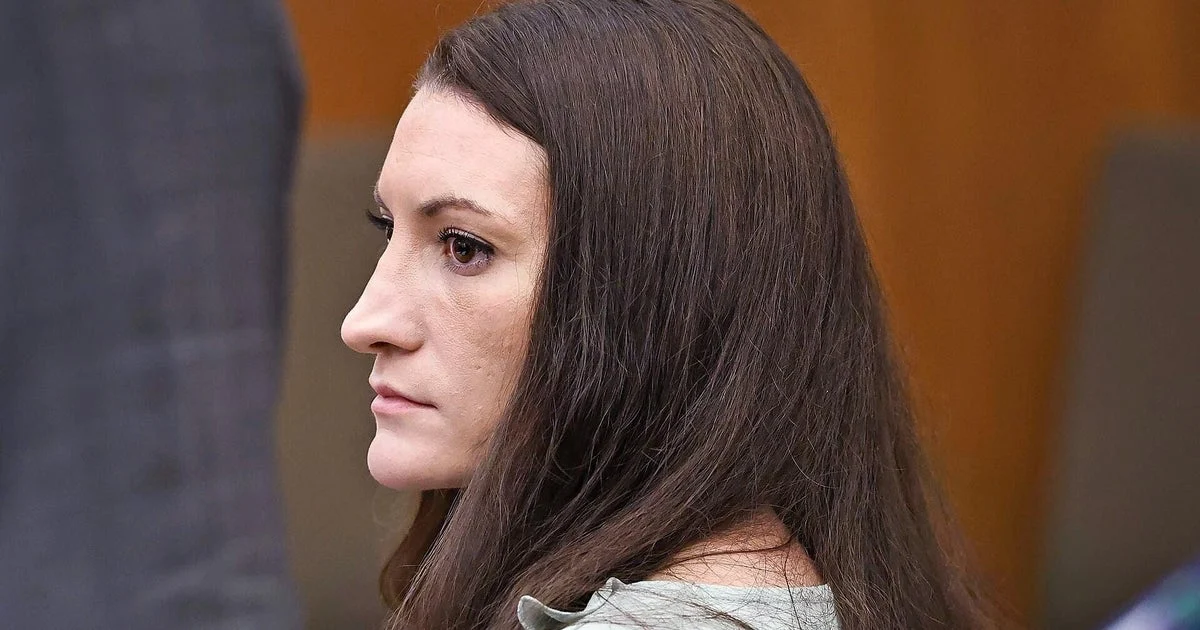
The prosecution rested its case Monday in the Lindsay Clancy murder trial in Plymouth Superior Court, as the defense began calling witnesses in Clancy’s Massachusetts trial for the deaths of her three children. Clancy faces first-degree murder charges but has pleaded not guilty, citing mental illness as a factor in the January 2023 killings.
What Happened
The trial resumed August 17, 2026, in Plymouth Superior Court in Massachusetts. Lindsay Clancy, 36, stands accused of planning and carrying out the murders of her children—5-year-old Cora, 3-year-old Dawson, and 8-month-old Callan—at their home in Duxbury on January 24, 2023. The prosecution, led by Jennifer Sprague and Shanan Buckingham, argued that Clancy deliberately premeditated the killings and subsequently faked a suicide attempt. Clancy has admitted to killing her children but denies criminal responsibility.
Defense attorney Kevin Reddington claims that Clancy suffered from postpartum psychosis exacerbated by overmedication, arguing that she should not be held criminally responsible. After the prosecution presented its evidence, Justice William Sullivan allowed the defense to begin calling witnesses around 11:15 a.m.
The defense’s first witness, Margaret Hamp, a labor and delivery nurse familiar with Clancy from their time working together at Massachusetts General Hospital, testified about mental health considerations related to pregnancy and postpartum conditions. Hamp recounted discussing the Andrea Yates case with Clancy, a notorious example involving postpartum psychosis.
Key Facts
The final witness for the prosecution was Ian Whiffin, a digital forensics expert from Cellebrite. Whiffin analyzed data from Clancy’s electronic devices, including timestamps and search histories on her iPhone and Apple Watch. His testimony covered Clancy’s searches for terms such as “how does Wellbutrin work for depression?” and “symptoms of postpartum psychosis,” alongside evidence suggesting planning of movements on the day of the incident. Whiffin’s data faced scrutiny during cross-examination, including questions about whether information originated from Clancy’s phone or her Apple Watch while she was hospitalized in a coma.
Judge Sullivan denied the defense’s preemptive motion to find Clancy not guilty or to reduce charges to second-degree murder. The jury was then brought back to hear witness testimony from the defense side.
If convicted of first-degree murder, Clancy faces life imprisonment without parole. If found not criminally responsible due to mental illness, she will be committed to a Massachusetts psychiatric facility.
What This Means
This trial highlights the complex intersection of mental health and criminal justice, especially involving postpartum disorders rarely seen in legal proceedings at this scale. For local communities and families dealing with postpartum challenges, the case underscores the need for better recognition, treatment, and support systems to prevent such tragedies. The outcome will clarify how Massachusetts courts balance responsibility with psychiatric conditions in severe crimes.
The defense’s approach may set an example for how postpartum psychosis defense claims are evaluated under Massachusetts law, potentially influencing future cases involving mental health defenses in violent acts. For residents and healthcare professionals, the case may increase awareness about postpartum mental illnesses and the critical importance of early intervention.
What Comes Next
Defense witnesses will continue to testify as the trial proceeds, with the court scheduled to hear additional evidence supporting Clancy’s mental health defense. The trial remains ongoing, and the jury will ultimately determine Clancy’s criminal responsibility based on the full presentation of evidence and expert testimony.
Sources
This article is based on reporting and publicly available information from the following source:
Read more US News stories on Goka World News.