
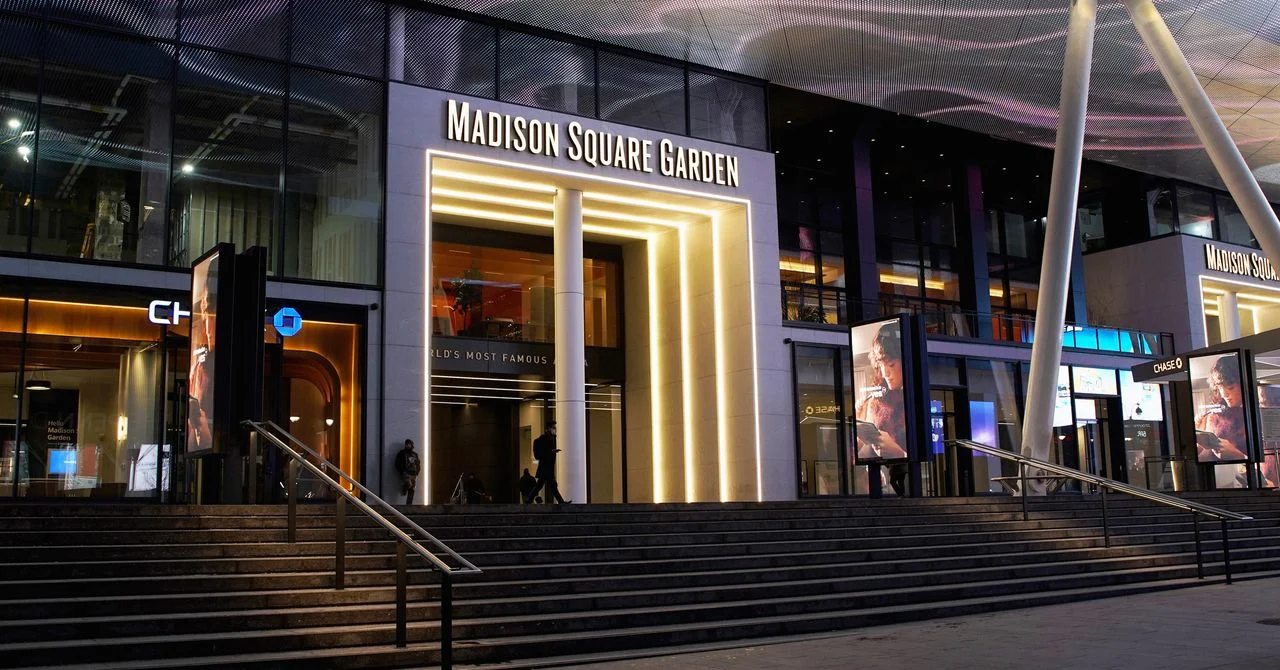
New York City politicians, musicians, and privacy advocates gathered outside Madison Square Garden on Friday to urge a ban on the use of facial recognition technology and other forms of biometric surveillance at the venue and across the city. The push highlights growing concerns about how such technology is deployed in public spaces without adequate safeguards or consent.
What Happened
At a press conference, City Council member Shahana Hanif led calls to “ban the scan,” referring to Madison Square Garden’s use of facial recognition to monitor attendees. Hanif originally introduced a bill in January aimed at prohibiting biometric technologies in public entertainment venues. The legislation has since gained 27 endorsements from Council members, representing support from over half the body. Discussions with Council Speaker Julie Menin indicate the bill may advance soon.
The call to action follows investigative reporting revealing Madison Square Garden’s extensive biometric data practices. Fans critical of MSG CEO James Dolan or the New York Knicks have been tracked via the venue’s facial recognition systems and placed on watch lists. One documented case detailed security tracking a fan’s exact movements during a Knicks game, including whom they interacted with and where they sat. MSG also reportedly assigns risk scores to several hundred celebrities and VIP guests, compiling dossiers that note sensitive attributes such as race and sexual orientation.
Key Facts
Madison Square Garden and its CEO James Dolan have faced criticism for biometric surveillance abuses. Specific practices include:
- Tracking individual fans’ locations and interactions during events
- Maintaining watch lists of individuals critical of MSG or involved in legal disputes with Dolan-owned properties
- Assigning risk scores and collecting sensitive personal data on approximately 400 celebrities and VIP attendees
- Reported incidents include barring certain individuals, including lawyers and even a mother with her daughter, from MSG-affiliated venues
Security measures have prompted MSG to file a defamation lawsuit against WIRED following investigative reports exposing these practices. MSG has defended the use of biometric technology as an electronic version of natural face recognition.
What This Means
The proposed ban on facial recognition at Madison Square Garden and similar venues is significant in a city where privacy concerns intersect with public safety narratives. The incidents revealed illustrate how biometric surveillance can extend far beyond security purposes to intrusive monitoring and profiling, raising ethical and civil rights questions. For typical event attendees, this means their presence, identity, and behavior could be scrutinized and recorded without explicit consent, potentially exposing them to unjust treatment based on opaque risk assessments.
As biometric technologies become more widespread, New York City’s legislative effort could set a precedent for balancing innovation with privacy rights. It also reflects heightened wariness of surveillance tools in public spaces, especially for communities historically targeted by disproportionate monitoring. The debate underscores a broader challenge: ensuring that emerging digital identification systems do not erode personal freedoms or amplify discrimination.
Background
Shahana Hanif, who introduced the bill, has emphasized her perspective as a Muslim New Yorker shaped by post-9/11 surveillance practices. The controversy surrounding Madison Square Garden follows increasing scrutiny of biometric systems nationwide. Public advocacy groups such as Fight for the Future and NYC DSA Tech Action participated in the rally, underscoring broad concern from digital rights communities about unchecked data collection and algorithmic profiling in entertainment and cultural venues.
What Remains Unclear
Details about the full scope of Madison Square Garden’s biometric data collection remain limited due to the venue’s private status and ongoing legal disputes. It is unconfirmed how many ordinary attendees have been processed through facial recognition, the total size of MSG’s biometric database, or the extent to which personal data is shared or stored long term. MSG’s future response to the proposed legislation and the timeline for potential enforcement are also pending.
Sources
This article is based on reporting and publicly available information from the following source:
Read more Digital Policy stories on Goka World News.