
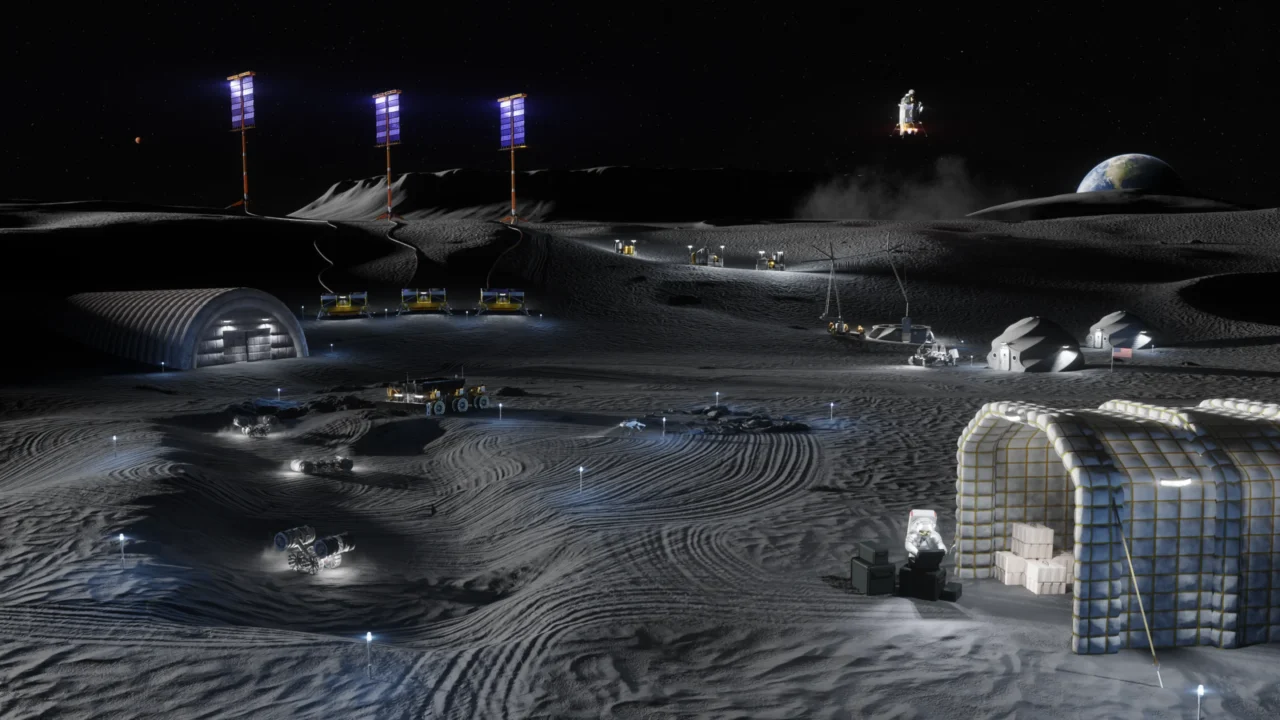
NASA has announced its 2027 edition of the Revolutionary Aerospace Systems Concepts – Academic Linkage (RASC-AL) competition, inviting U.S.-based collegiate teams to submit innovative concepts that could shape future lunar exploration technologies. This challenge focuses specifically on developing new operations and technology paradigms to support sustained missions in the Moon’s South Pole region, a priority area for NASA’s Artemis program.
What Happened
The 2027 RASC-AL competition, administered by the National Institute of Aerospace for NASA’s Advanced Research and Technology Division, calls on university teams to design bold, original aerospace systems and concepts. Entrants will explore four key themes: enabling extreme exploration, constructing transit pathways, lunar resource exploration, and building smart, resilient lunar habitats. Teams must submit a non-binding notice of intent by October 13, 2026, with a subsequent Q&A session with NASA experts scheduled for October 27.
Full proposals, including accompanying video submissions, are due by February 24, 2027. As many as 14 teams will advance to the final phase, tasked with further developing their concepts, producing technical papers and posters. Each finalist will receive $7,500 to support their efforts. The culminating event will be the 2027 RASC-AL Forum held in Cocoa Beach, Florida, from June 7 to 10, where finalists will present to NASA and industry panels. The top two teams will earn additional monetary awards and an opportunity to present at an aerospace conference later in 2027.
Key Facts
Since 2002, NASA’s annual RASC-AL competition has linked university researchers with NASA’s technology challenges, promoting innovative aerospace concepts and prototypes to advance human space exploration.
- Competition administered by National Institute of Aerospace for NASA’s Advanced Research and Technology Division
- Focus on lunar South Pole operations and technology
- Four thematic areas: extreme exploration, transit pathways, resource exploration, lunar habitats
- Notice of intent deadline: October 13, 2026
- Full proposal deadline: February 24, 2027
- Finalist awards: $7,500 per team
- Final event June 7–10, 2027, Cocoa Beach, Florida
- Top two teams receive extra awards and aerospace conference invitation
What This Means
NASA’s 2027 RASC-AL competition underscores a strategic emphasis on the Moon’s South Pole, where permanently shadowed regions hold critical resources like water ice. Developing new technologies for sustained operations here is pivotal for long-term lunar presence and future crewed missions to Mars. By engaging students early, NASA not only cultivates fresh ideas that could accelerate lunar infrastructure and exploration but also helps train the next generation of aerospace engineers and scientists.
The competition’s focus on real-world challenges—such as transit routes, resource prospecting, and habitat resiliency—mirrors the complexities NASA must solve to establish a habitable, operational lunar outpost. For broader society, advancements stemming from these student innovations may eventually translate into technology spin-offs benefiting Earth industries or commercial space activities. This hands-on engagement also fosters a highly skilled workforce who will power the future of space exploration.
Background
RASC-AL has been a centerpiece in NASA’s education and research outreach since 2002, consistently fostering partnerships between academia, NASA, and aerospace industry. It emphasizes conceptual design and cutting-edge technology development aligned with NASA’s evolving mission goals. The lunar South Pole has gained attention recently due to the Artemis program’s goal of sustainable human presence, with the region’s permanently shadowed craters potentially harboring accessible water ice essential for life support and fuel.
What Comes Next
Following proposal submission in February 2027, NASA will select finalists by spring. These teams will refine their concepts through technical documentation and presentations ahead of the June forum. The final presentations will influence future research directions within NASA’s lunar surface innovation initiatives and inform potential technology investments required to support upcoming Artemis missions.
Sources
This article is based on reporting and publicly available information from the following sources:
Read more Space & NASA stories on Goka World News.