
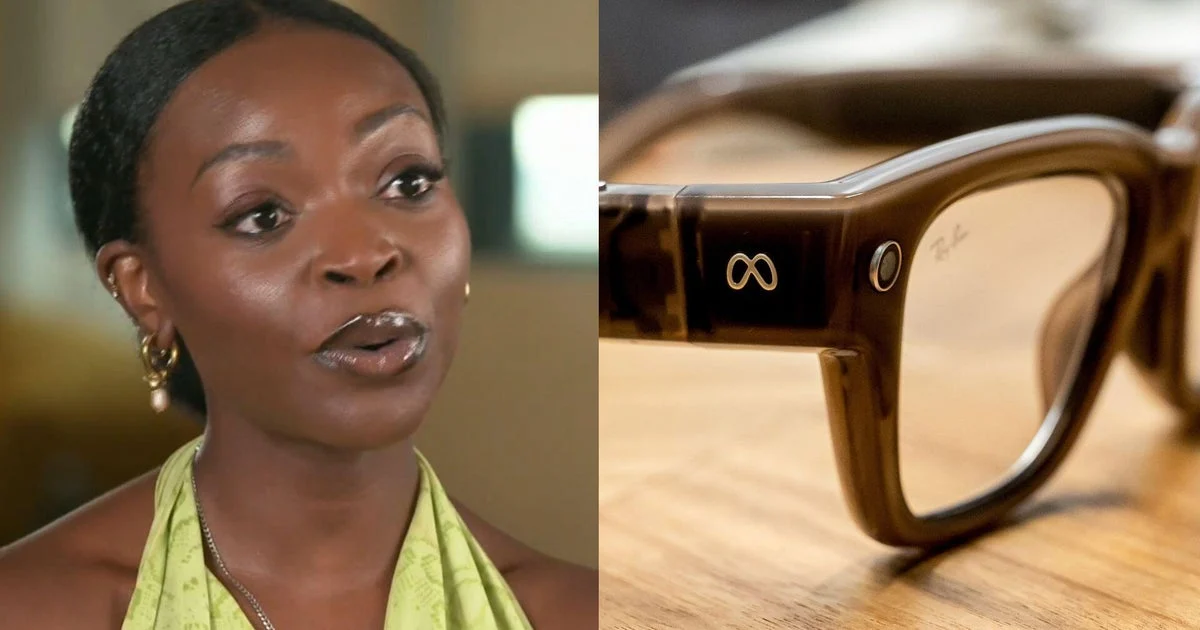
A growing privacy controversy has emerged after a woman discovered she was secretly filmed by a man wearing Meta’s AI-powered smart glasses without her knowledge or consent. The video, which quickly went viral on social media platforms garnering over 200,000 views, has raised alarm over the potential misuse of wearable AI technology to invasively record people in public settings.
What Happened
Toluwa Omitowoju learned she had been filmed covertly by a man wearing Meta’s Ray-Ban Meta smart glasses when friends and acquaintances who had not contacted her in years forwarded her a video posted online without her consent. She was unaware the filming was taking place until the clip circulated widely on social media. The video has since been taken down, but similar incidents have been shared by other women who reported being filmed secretly and having those videos posted anonymously under burner accounts.
This trend is tied to content creators using wearable AI-enabled devices to capture unsuspecting individuals, often for prank-style “pickup line” videos. Meta’s Instagram head, Adam Mosseri, announced that the platform is actively removing such content that harasses or exploits people who are filmed without permission.
Key Facts
Meta’s Ray-Ban smart glasses include built-in privacy safeguards such as a LED recording light designed to indicate when video capture is active. The device also contains software intended to disable recording if the LED is covered or obstructed. However, CBS News testing found that if the light was covered after recording started, the glasses would continue to record, revealing a potential flaw in the tamper detection mechanism. Meta states the system disables recording only if obstruction is detected before video capture begins, promising ongoing improvements to this technology.
In May, Texas Attorney General Ken Paxton opened an investigation into the glasses’ privacy implications, highlighting concerns over covert recording in private settings. Privacy laws in many U.S. states require the consent of only one party recorded, meaning the wearer can legally film others without their knowledge, complicating privacy enforcement.
What This Means
This incident highlights urgent questions about personal privacy in the era of pervasive wearable AI cameras. Unlike phones, which are usually visible during recording and allow people to opt out or object, smart glasses offer a discrete means of filming that can bypass social cues and consent norms. The inability of bystanders to easily identify when they are being recorded strips them of agency and heightens risks of harassment or unauthorized distribution of personal images.
For the public, this signals a potential erosion of privacy in everyday spaces and underscores gaps in both technology safeguards and legal protections. Even with features intended to signal recording or prevent hidden capture, current measures remain imperfect. This case illustrates the need for stronger regulatory frameworks and technological advances that prioritize user privacy and enforceable consent mechanisms. Platforms like Instagram’s crackdown on abusive videos represent a partial response, but cannot fully resolve the challenge posed by covert recordings enabled through smart eyewear.
Background
Meta has faced privacy scrutiny previously, with regulatory investigations and public debate regarding the surveillance potential of its Ray-Ban Meta glasses, which integrate cameras, microphones, and speakers capable of capturing sensitive moments without notice. The Texas AG’s probe into these glasses reflects growing governmental concerns about balancing innovation with civil liberties.
What Remains Unclear
It is not confirmed how widespread the covert filming issue is, nor whether all victims of such recordings have been identified or notified. Additionally, the rate at which users have adopted any software updates or patches improving privacy controls remains unknown.
What Comes Next
Meta has pledged to enhance the tamper detection technology to better prevent recording when privacy LEDs are obstructed. Meanwhile, Instagram will continue enforcing policies removing videos that violate privacy or constitute harassment, attempting to curb improper use of covert recordings on its platform.
Sources
This article is based on reporting and publicly available information from the following source:
Read more Digital Policy stories on Goka World News.