
The U.S. government has escalated its economic campaign against Iran with the announcement of new, comprehensive sanctions aimed at crippling Tehran’s financial networks and key sectors. This strategic shift seeks to break the months-long stalemate in the ongoing conflict between the two countries through financial pressure rather than military means.
What Happened
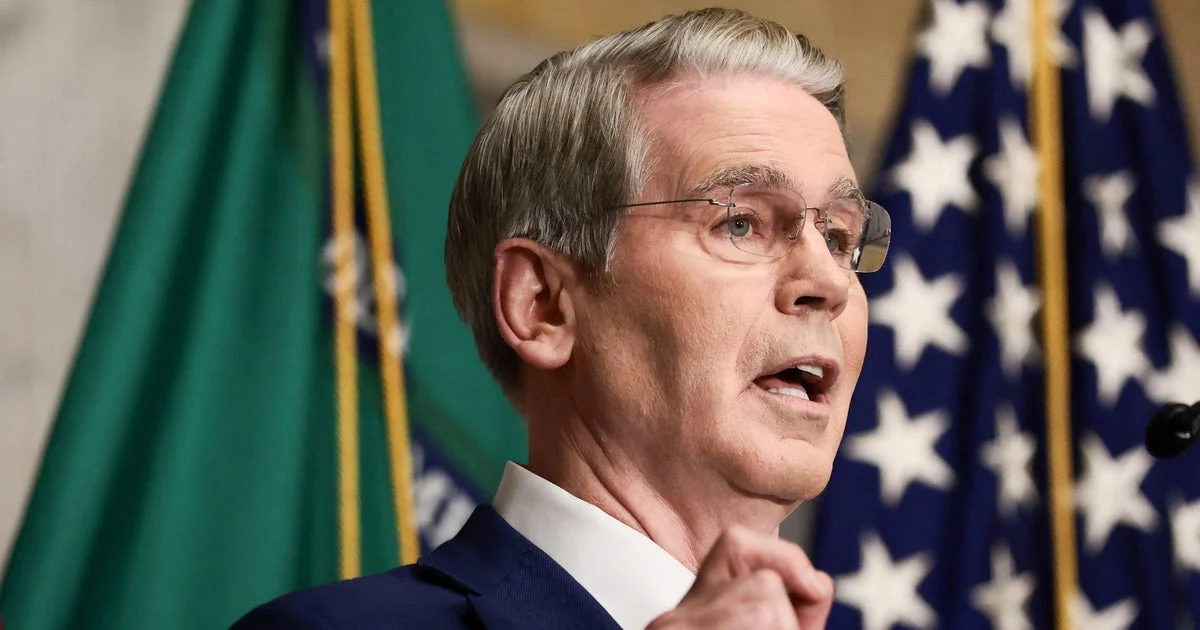
On August 24, 2026, the U.S. Treasury Department, under the direction of President Donald Trump, unveiled Operation Economic Outcast, described as “the single greatest financial offensive ever marshalled against an adversary,” according to Treasury Secretary Scott Bessent. The sanctions target a wide range of sectors crucial to Iran’s economy, including digital assets, gold, aviation, technology, and shipping.
The sanctions also expand secondary penalties on entities and countries that conduct transactions with Iran, with Bessent warning that any institution laundering money for Tehran “will be removed from the U.S. dollar system.” This initiative represents a pivot from prior military actions to an intensified economic warfare strategy.
The announcement follows months of conflict and economic pressure, coinciding with ongoing negotiations between Iran and Oman over the future management of the Strait of Hormuz—a critical maritime chokepoint.
Key Facts
The United States Central Command has enforced a naval blockade in the Gulf region, redirecting 71 commercial ships and disabling three others, while allowing over 40 humanitarian vessels to pass. This blockade is part of the broader strategy to restrict Iran’s economic activities.
Treasury Secretary Scott Bessent emphasized the severity of the new sanctions at a press conference, labeling the campaign an unprecedented effort. President Trump publicly declared that Iran was “completely collapsing” in the lead-up to the announcement, promising an “economic D-Day” to intensify pressure.
Iran’s internal response included warnings from Brig. Gen. Ahmad-Reza Radan, chief of Iranian national police, who urged readiness against potential unrest fueled by economic grievances as the sanctions take effect.
Meanwhile, Iran’s Central Bank Governor Abdolnaser Hemmati maintained a defiant stance, arguing that previous sanctions have failed to subdue Iran and that the country has prepared for continued economic hardship.
What This Means
This new U.S. sanctions campaign signals a decisive effort to exploit financial channels and international cooperation to isolate Iran economically, hoping to weaken its government without escalating direct military conflict. For ordinary Americans, this reflects a strategic priority to prevent broader war in the Middle East through economic means, although such measures also risk further destabilizing an already tense global energy market, given Iran’s pivotal role in oil exports.
The strategy underscores the increasing reliance of U.S. foreign policy on financial tools, leveraging the dominance of the U.S. dollar to enforce geopolitical aims. Additionally, by threatening entities worldwide that aid Iran financially, the U.S. signals its intent to tighten control over global trade networks, which could affect international companies and commerce in related sectors.
For communities reliant on Middle East oil supplies, maritime security around the Strait of Hormuz remains a critical concern, as disputes threaten commercial shipping routes essential for global energy markets. The ongoing tensions and blockades could contribute to volatility in fuel prices, impacting consumers and industries domestically.
Background
This sanctions escalation follows nearly six months of conflict triggered by U.S. and Israeli military actions against Iran. Earlier agreements between the U.S. and Iran, including a memorandum of understanding signed in June, have expired without broader peace accords. Iranian leadership expresses belief in diplomatic solutions but remains skeptical given the current hostilities.
Simultaneously, Iranian-affiliated cyberattacks, including breaches in the UK power and U.S. water systems, highlight the complex nature of the conflict extending beyond traditional battlefields.
What Remains Unclear
The immediate impact of these sanctions on Iran’s economy and political stability is uncertain, as Iranian officials downplay their efficacy based on past sanctions experiences. Details about which specific entities and countries will be targeted next have not been fully disclosed.
The potential for escalation through Houthi missile attacks in the Red Sea and broader regional ramifications also remain difficult to predict.
What Comes Next
The U.S. Treasury has initiated “Operation Economic Outcast,” with ongoing enforcement of sanctions and naval blockades. Diplomatic channels continue with talks between Iran and Oman regarding the Strait of Hormuz, while Pakistan-led mediation efforts seek to renew dialogue between Tehran and Washington.
U.S. federal agencies are expected to monitor compliance closely and expand sanctions as necessary to maintain pressure on Iranian financial networks and supporters.
Sources
This article is based on reporting and publicly available information from the following sources:
Read more Politics stories on Goka World News.