
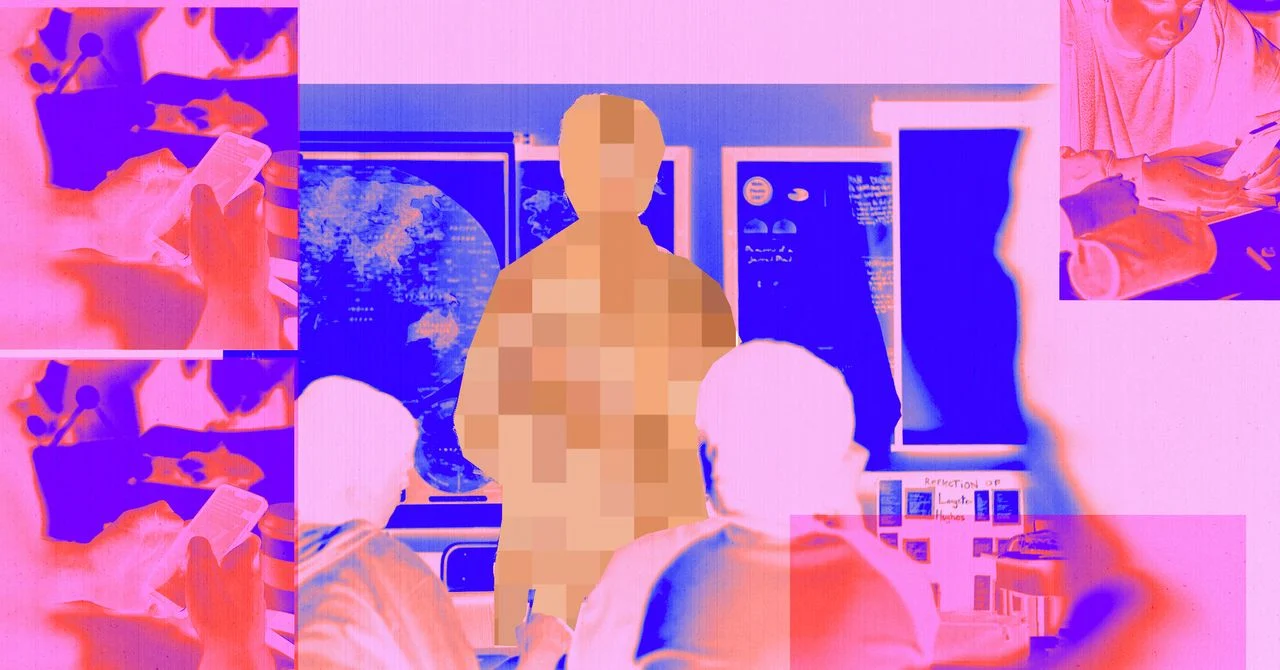
Several teachers across the United States and the United Kingdom have experienced distressing harassment after students used AI to create and disseminate sexualized deepfake images and videos of them. These incidents, involving platforms such as TikTok and Snapchat, have prompted school investigations and disciplinary measures amid concerns about safety, accountability, and the evolving challenges posed by AI-generated content.
What Happened
One prominent case involves Luis DeSantiago, a substitute teacher in Los Banos, California, who first learned in March 2026 that a manipulated AI image of himself wearing lingerie was circulating among students on social media. The image was based on a personal photo but altered to portray him suggestively. DeSantiago identified students from his middle school as responsible, reported the incident to school administrators, and later discovered further impersonation accounts on TikTok. Despite disciplinary action against one student with in-school suspension, the image spread across platforms, including Snapchat, and harassment persisted, prompting DeSantiago to avoid returning to the district for safety reasons.
Similar experiences were shared by other educators. In one instance from the UK, a college counselor known as Alice was subjected to a manipulated video showing a sexualized version of herself created from a genuine recording. After reporting, the suspect student denied involvement and subsequently left the school; the college also initiated educational efforts about the harms of deepfakes.
Another teacher, Luke Red, based in Arizona, reported an AI-generated image circulating on TikTok that showed him and a colleague kissing. The school identified the student and suspended them for three days, marking the most severe punishment for a first-time sexual harassment offence under their rules. Red raised concerns about the permissive culture among students regarding AI misuse.
Key Facts
The reported cases involve well-known social media platforms TikTok and Snapchat, where AI-generated images and videos were shared without consent. Schools responded with varying disciplinary actions including in-school suspension and removal of students from classes. Official statements from Snap confirmed policies prohibiting AI-manipulated harassment content, while TikTok had not provided comment. Legal experts note that spreading nonconsensual intimate images, including AI-generated ones, may violate legal statutes like the federal Take It Down Act. Employment lawyers emphasize schools’ responsibility to maintain harassment-free environments for staff under federal antidiscrimination laws.
What This Means
These accounts reveal a troubling new dimension of harassment in educational settings fueled by emerging AI technology. Deepfake tools lower barriers to creating damaging images, intensifying vulnerabilities in teacher-student relationships and workplace safety. The proliferation of manipulated content risks undermining trust and the fundamental respect necessary for effective education. For schools, this poses unprecedented challenges: existing disciplinary frameworks lack clear guidelines for AI-based harassment, complicating prevention and response efforts.
Moreover, the use of popular platforms like TikTok and Snapchat underscores how major tech companies must continually evolve content moderation policies to address AI-generated abuse. Failure to swiftly remove harmful content or prevent impersonation can deepen educators’ distress and contribute to toxic online environments. These incidents serve as a call for stronger collaboration between schools, policymakers, and technology companies to protect educators from digital abuse that can affect their careers, mental health, and sense of security.
Background
The rise of AI-generated deepfakes in recent years has been marked by growing misuse, including nonconsensual sexualized visual depictions. While early AI content concerns mostly involved celebrity targets, the trend has seeped into everyday life, impacting professions such as teaching. Current U.S. legislation like the Take It Down Act criminalizes dissemination of intimate images without consent, but enforcement and school implementation remain inconsistent. Social media platforms enforce community guidelines prohibiting harassment but face criticism for slow or uneven responses to deepfake content.
What Remains Unclear
Details on the disciplinary measures taken vary by case, often with limited transparency provided to victims. It remains unclear how widespread deepfake harassment against teachers is nationally or internationally due to underreporting. Additionally, the degree to which platforms will implement more proactive detection of AI-generated abusive content is uncertain, as is how school districts will update policies to integrate AI-related challenges effectively.
What Comes Next
Schools impacted by these incidents are conducting ongoing investigations and revisiting their disciplinary frameworks. Some districts are considering educational programs aimed at raising awareness among students about the risks and consequences of deepfake misuse. Meanwhile, tech companies like Snap emphasize ongoing development of safety tools, but timelines for significant policy or technological changes to handle AI-generated harassment are not specified.
Sources
This article is based on reporting and publicly available information from the following sources:
Read more Digital Policy stories on Goka World News.