
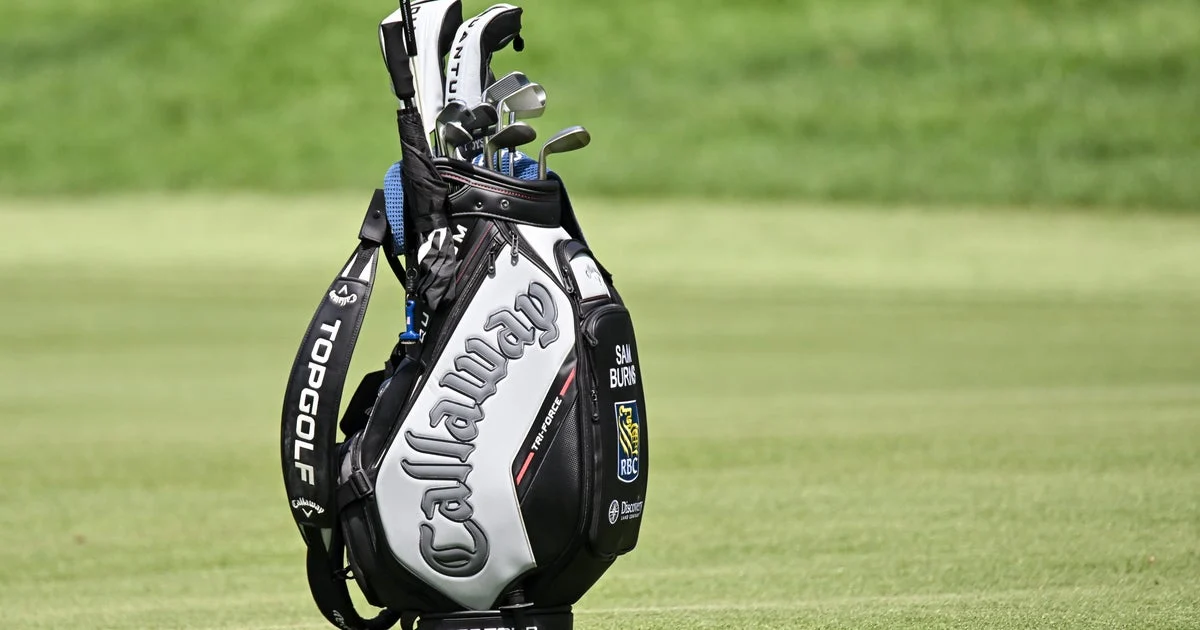
Callaway Golf’s CEO Chip Brewer issued a public apology on August 25, 2026, after an online advertisement depicting a male golfer shoving a female golfer stirred significant criticism and backlash from consumers and social media users. The advertisement was released to promote a co-branded driver with Good Good Golf but was quickly withdrawn following the controversy.
What Happened
The video ad, created by Good Good Golf and approved by Callaway, showed co-founder Garrett Clark aggressively telling former Division I female golfer Alexis Miestowski, “Do not touch my new driver,” before shoving her to the ground. Released last week, the ad was intended to promote a new co-branded driver but drew sharp criticism for its portrayal of violence against women. In response, Good Good issued an apology on August 22, emphasizing its commitment to inclusivity in golf.
Following the public outcry, Callaway CEO Chip Brewer acknowledged shortcomings in the company’s review process. “That approval should never have happened. Mistakes were made, and we are taking the matter very seriously,” Brewer wrote in his apology. He further clarified that Callaway sincerely regretted the offense caused by the advertisement.
Key Facts
The controversial ad was posted online last week and removed after backlash erupted. The video featured Garrett Clark, Good Good Golf’s co-founder, and Alexis Miestowski, a former Division I female golfer. Good Good’s apology was posted on August 22, 2026, before Callaway’s formal acknowledgment on August 25. The National Golf Foundation reports a 45% increase in female golfers from 2020 to 2025, compared to a 12% increase among male golfers, with women now representing 28% of the golfing population—the highest proportion recorded.
What This Means
The incident highlights the heightened sensitivity around gender representation and inclusivity within the golf industry, an area experiencing notable demographic shifts. Women golfers comprise a growing customer segment, making up nearly a third of participants, which suggests companies that mishandle gender issues risk alienating a significant portion of their market. Callaway, a leading brand in golf equipment, faces reputational damage that could affect consumer loyalty and sales if perceptions of insensitivity persist.
Moreover, the backlash illustrates how corporate advertising decisions are increasingly scrutinized through social and cultural lenses, particularly regarding gender violence and respect. Consumers demand greater corporate responsibility and inclusivity, forcing companies like Callaway Golf to reassess approval processes and messaging strategies to align with evolving societal norms. The calls for donations to organizations supporting women in golf and domestic violence prevention also underline expectations for companies to take tangible actions beyond apologies.
Background
Callaway Golf partnered with Good Good Golf, a company known for promoting golf to younger and more diverse audiences. The controversial commercial was part of a campaign to introduce a co-branded golf driver. While Callaway had previously reported growth in female golfers as a key demographic, the ad’s depiction clashed starkly with industry efforts to foster inclusivity and expand golf’s appeal.
What Remains Unclear
Callaway and Good Good have not detailed what specific corrective measures will be implemented following the incident. It remains uncertain whether Callaway will engage in partnerships with organizations like the Ladies Professional Golf Association or domestic violence charities as some consumers have requested. Future advertising approvals and oversight processes have not been publicly outlined.
Sources
This article is based on reporting and publicly available information from the following source:
Read more Business stories on Goka World News.