
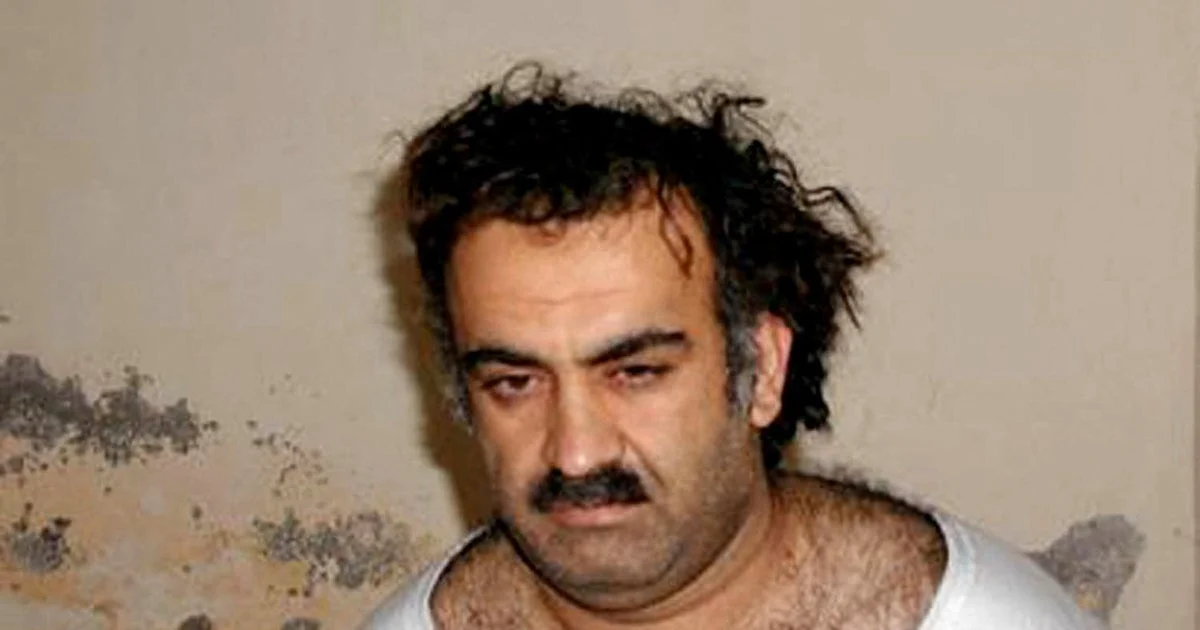
A military judge has dismissed the statement given by Khalid Sheikh Mohammed to FBI agents in 2007, ruling it was not made voluntarily. This decision, announced on August 28, 2026, significantly affects the ongoing legal proceedings surrounding the alleged mastermind of the September 11 attacks. The ruling occurred as the trial date for Mohammed and three co-defendants was set for June 2028.
What Happened
On August 28, 2026, Lieutenant Colonel Michael Schrama, the military judge presiding over the case at Guantanamo Bay, issued a court order suppressing Mohammed’s confession to FBI interrogators. The confession was extracted during a four-day interrogation in January 2007. Schrama’s ruling concluded that Mohammed’s statements were not voluntary due to the conditions stemming from prior treatment by the CIA. Mohammed had previously been detained and interrogated under conditions that included waterboarding, widely regarded as torture, which led to his fear of further mistreatment if he did not comply during FBI questioning.
The judge also highlighted the absence of a Miranda warning during the FBI interrogation, meaning Mohammed was not informed of his right to remain silent or his right to legal counsel. These factors contributed to the decision to exclude the confession from evidence.
Khalid Sheikh Mohammed remains detained at Guantanamo Bay along with other suspects awaiting trial for their alleged roles in orchestrating the 9/11 terror attacks. Earlier this week, Schrama set the trial date for Mohammed and three others for June 2028.
Key Facts
- Khalid Sheikh Mohammed was captured and held by the CIA, where he underwent harsh interrogation tactics, including waterboarding.
- The FBI interrogation from which the confession was suppressed occurred over four days in January 2007 at Guantanamo Bay.
- Lieutenant Colonel Michael Schrama ruled the confession inadmissible due to coercion and absence of legal warnings.
- Prosecutor Rear Admiral Aaron C. Rugh indicated the government is considering whether to appeal the decision.
- Mohammed and two co-defendants had plea deals in 2024 to avoid the death penalty, but those agreements were overturned last year by Defense Secretary Lloyd Austin.
- The trial against Mohammed and three others is scheduled for June 2028.
- Mohammed faces potential capital punishment if convicted in the military court proceedings.
What This Means
The suppression of Mohammed’s confession presents a major challenge to the U.S. government’s decades-long effort to prosecute him for the September 11 attacks. Without this key piece of evidence, the prosecution will have to rely more heavily on other intelligence and testimony to build its case. The ruling underscores the complex legal tensions surrounding detainee interrogations at Guantanamo Bay, particularly regarding the admissibility of statements made under potentially coercive conditions.
This decision also highlights ongoing debates about balancing national security concerns with constitutional protections in military tribunals. For the families of 9/11 victims and the broader public, the ruling may raise frustrations over the slow and uncertain nature of military justice in terrorism cases. Meanwhile, it could reinforce the importance of procedural safeguards in ensuring fair trials, even for high-profile defendants.
Looking ahead, the government’s choice to appeal—or not—will shape the direction and timeline of one of the most significant terrorism trials in recent U.S. history.
Background
Khalid Sheikh Mohammed was captured in 2003 and has been held at Guantanamo Bay since. The CIA’s enhanced interrogation techniques applied during his custody have been widely criticized as torture. His 2007 confession to the FBI followed these sessions but was questioned due to the prior treatment he received. In 2024, plea agreements were reached with Mohammed and two other defendants to avoid capital punishment; however, these were later invalidated after Defense Secretary Lloyd Austin intervened. The case has faced numerous legal hurdles and delays over the years.
What Comes Next
The government prosecutor, Rear Admiral Aaron C. Rugh, has stated that a decision on whether to appeal the suppression ruling is forthcoming. The trial date remains set for June 2028, with proceedings expected to be closely watched given the case’s high profile and complexity.
Sources
This article is based on reporting and publicly available information from the following sources:
Read more US News stories on Goka World News.