
As the war between Iran and the United States enters its seventh month, Tehran has reaffirmed its steadfast opposition to what it terms “unjust” U.S. sanctions and vowed to protect its national interests both militarily and diplomatically. Despite renewed U.S. pressures and economic sanctions designed to debilitate Iran, Iranian officials signal a willingness to engage in diplomacy, though only under terms that respect Iran’s sovereignty and dignity.
What Happened
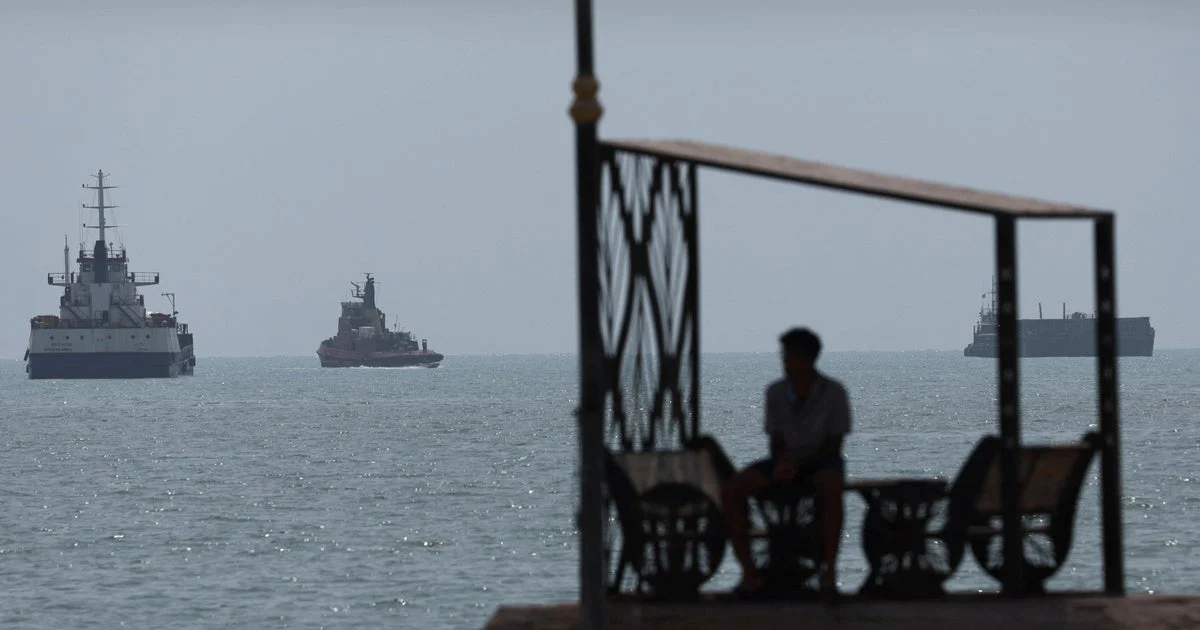
On August 28 and 29, 2026, marking six months since the outbreak of the U.S.-Iran conflict that began in late February, the Iranian government issued a strong statement pledging to resist American sanctions and conspiracies. Officials emphasized that Iran’s diplomatic efforts are inseparable from its right and duty to defend itself militarily. Meanwhile, U.S. Central Command confirmed the Strait of Hormuz remains free of sea mines, although shipping traffic remains well below pre-war levels due to ongoing threats. The war persists without signs of either side backing down despite diplomatic attempts involving regional mediators like Pakistan, Qatar, and Oman.
Concurrently, the United States has started the phased return of diplomats and their families to Middle Eastern embassies that were evacuated at the conflict’s onset. States such as Qatar, Kuwait, Bahrain, Israel, and Lebanon have permitted limited family returns, reflecting some stabilization in operational posture but not a policy shift towards Iran.
Key Facts
- The Iranian cabinet stated on August 29 that its diplomacy would continue based on “dignity, wisdom, and expediency,” linked closely to resisting what it called “American-Zionist arrogance.”
- U.S. Treasury actions include sanctioning the United Arab Emirates branches of Egypt’s Banque Misr, aiming to constrain Iran’s economic access.
- Iran’s Foreign Minister Abbas Araghchi underscored that diplomacy remains possible if the U.S. abandons pressure tactics and builds trust.
- Hezbollah’s leader Naim Qassem rejected a U.S.-brokered Israel-Lebanon ceasefire framework, underscoring ongoing tensions in the region influenced by Iran-backed groups.
- Russia and Iran made progress on a natural gas pipeline deal through Azerbaijan, signaling deeper energy cooperation amid the sanctions and war.
- U.S. Senator Jack Reed criticized the war as a “disaster” with no achieved objectives after six months.
What This Means
The stalemate demonstrated by Iran’s firm rejection of U.S. sanctions and the ongoing war underscores a deepening regional crisis with wide-reaching implications. Iran’s dual approach—defensive military readiness combined with selective diplomatic engagement—reflects its attempt to balance resistance against economic and military pressure while leaving open a path for negotiations under its terms. For global energy markets and international shipping, the war’s persistence continues to threaten the strategic Strait of Hormuz, a critical chokepoint for approximately 21 million barrels of oil daily before the conflict.
The U.S.’s strategy to economically “asphyxiate” Iran by targeting its financial enablers, including banks in allied countries, further signals an escalation of economic warfare alongside military pressure. However, Iran’s calculated energy partnerships with Russia and cooperation with regional actors suggest efforts to circumvent sanctions and sustain critical infrastructure. This continued conflict prolongs regional instability, jeopardizes efforts to normalize diplomacy, and threatens civilian populations across the Middle East, especially in Lebanon and Israel where violence connected to the war persists.
Background
The conflict escalated in late February 2026, sparked by U.S. and Israeli military actions against Iran and Iranian-backed groups. Hezbollah’s involvement alongside Lebanon drew further regional actors into hostilities. The United States initially expected a swift resolution, but President Trump’s prediction of a six-week war has turned into a protracted conflict with no clear end in sight. Sanctions implemented by Washington aim to dismantle Iran’s nuclear, missile, and proxy capabilities but have yet to compel Tehran to concede. Diplomatic efforts, sometimes facilitated by Middle Eastern mediators, have so far failed to halt the fighting or ease economic pressures.
What Remains Unclear
Key details remain unresolved, including the exact terms or conditions that would lead Iran to fully engage in diplomacy or cease hostilities. The effectiveness of U.S. sanctions in diminishing Iran’s strategic capabilities is also uncertain. The ongoing impact of regional ceasefire attempts, such as the rejected Israel-Lebanon deal backed by the U.S., remains fluid given opposition by groups like Hezbollah. Furthermore, emerging energy agreements between Iran and Russia are still under negotiation with a few issues outstanding, leaving their timeline and full scope unknown.
What Comes Next
Diplomatic channels continue to operate, with recent high-level meetings between Iranian and Qatari officials focusing on critical issues like the Strait of Hormuz. The United States plans further economic pressure measures targeting Iran’s financial networks and allies. Meanwhile, the phased return of diplomats to Middle Eastern embassies signals cautious normalization in some regions but does not indicate reduced tensions. Observers anticipate ongoing military and economic confrontations coupled with diplomatic efforts that may evolve if one side signals willingness to compromise.
Sources
This article is based on reporting and publicly available information from the following sources:
Read more World News stories on Goka World News.