
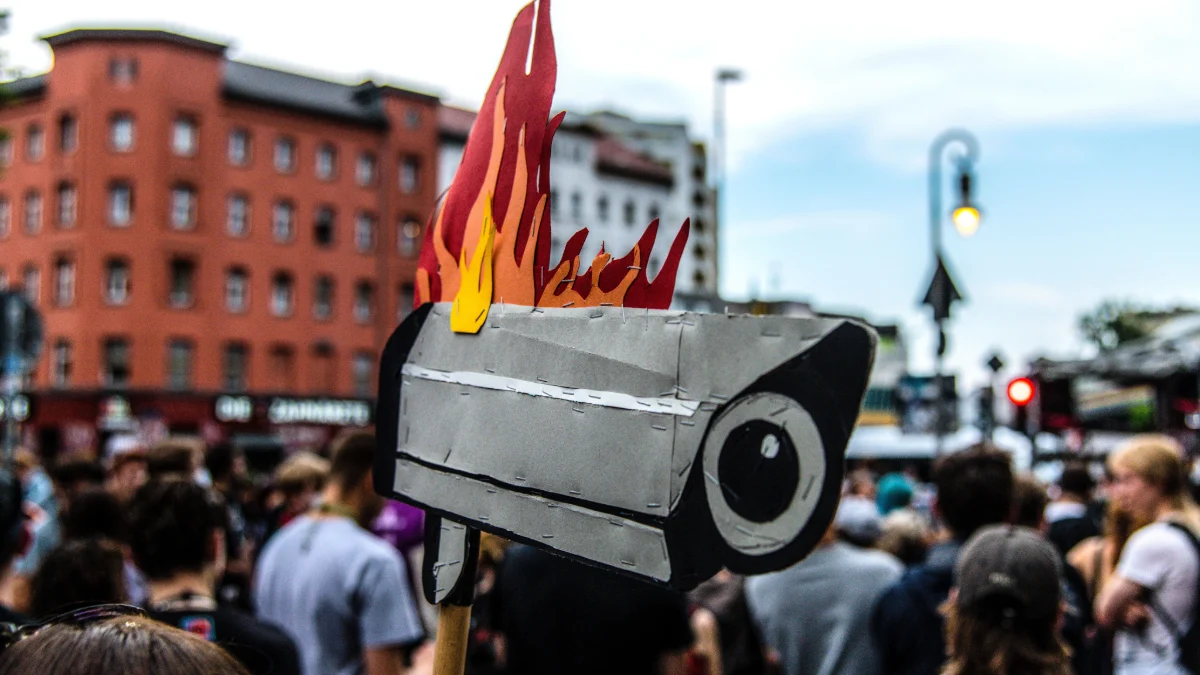
Anti-technology extremism, targeting AI infrastructure such as data centers and AI-assisted surveillance systems, has surfaced as a growing threat intertwined with broader social and political grievances. As public backlash intensifies, especially against AI-related surveillance tools and data center expansion, calls for measured AI regulation have become increasingly urgent to address the roots of discontent and prevent escalation toward violence.
What Happened
In recent years, violent incidents and public protests against AI-related technologies have highlighted widespread opposition to the tech sector’s impact on society. Notably, protests against AI-assisted police surveillance cameras, such as Flock cameras that use AI to track license plates, have galvanized activists nationwide, leading some municipalities to reconsider or cancel contracts for their deployment. Concurrently, states like Texas and New York have enacted moratoria or introduced audit requirements for new data center projects critical to AI development, reflecting bipartisan concerns over their environmental and social footprint.
These tensions have occasionally escalated into violence. In 2021, an individual was sentenced to prison for plotting to bomb an Amazon data center, aiming to disrupt internet infrastructure. In April of a recent year, an Indianapolis city councilman’s residence was targeted by gunfire after he supported a data center project, accompanied by a threatening note. Additionally, extremist groups, including white supremacist factions, have adopted anti-tech messaging, using it to recruit and radicalize followers, underscoring the complex nexus between technology backlash and extremist violence.
Key Facts
- The resistance involves AI surveillance technology such as Flock cameras, which collect license plate and vehicle data using AI.
- Texas Governor Greg Abbott has initiated audit protocols for data center projects; New York has imposed a statewide moratorium on data centers.
- At least 37 arrests related to protests against AI data centers have occurred in the U.S., with additional police interventions documented.
- The FBI has historically classified violent eco-terrorism, a precedent for some anti-tech violence, as criminal acts motivated by environmental-political goals.
- Extremist groups have disseminated propaganda linking technology opposition with broader ideological agendas, including ecofascist and white supremacist narratives.
What This Means
The rise of anti-tech extremism reflects deep-rooted tensions at the intersection of technology, environmental concerns, and declining trust in institutions. AI infrastructure, crucial for advanced applications, has become a flashpoint symbolizing both environmental harm and perceived overreach by tech and political elites. As infrastructure projects expand rapidly, societal divisions threaten to amplify, illustrating how technology is no longer neutral but deeply political.
This volatility poses a unique challenge for policymakers and regulators. Without addressing environmental impacts and privacy concerns transparently, and without engaging communities in governance, resentment may push fringe elements toward violence and sabotage, threatening public safety and technological progress alike. The politicization of tools like AI surveillance cameras has fueled not just dissent but also extremist recruitment, highlighting the necessity for AI regulations that balance innovation, privacy, and ethical deployment.
Moreover, the accountability gap surrounding AI systems complicates legal and regulatory responses. When AI causes harm, the diffuse nature of responsibility increases public anxiety and feeds narratives of ungovernable technology, further destabilizing social trust. Thoughtful legislation and regulatory frameworks can help mitigate these risks, but only if they are coupled with genuine transparency and community involvement.
Background
Anti-technology extremism has historical precedence on both the left and right wings of the political spectrum. The Earth Liberation Front (ELF) engaged in arson targeting infrastructure for environmental reasons, classified by the FBI as eco-terrorism. Conversely, on the far right, the rise of ecofascism combines environmental extremism with white supremacist ideology. Incidents such as the 2019 Christchurch shooting and subsequent attacks have been linked to this ideology, demonstrating how environmental grievances can be co-opted into violent extremism.
These historical patterns resonate today as climate change concerns overlap with technological expansion. Whereas earlier protests focused on industrial environmental damage, contemporary backlash includes AI data centers and surveillance technologies.
The Bigger Picture
Fundamentally, the backlash against AI and related technologies reflects broader societal challenges: environmental sustainability, inequality, and eroding trust in political institutions. The polarized U.S. political environment, coupled with rapid AI development and deployment, heightens the stakes. States pushing back against federal-friendly data center expansions underscore the complex tug-of-war between economic interests, environmental stewardship, and technological leadership.
This dynamic also raises normative questions about how democracies should govern transformative technologies amid competing interests and potential for unrest. The struggle of the 19th-century Luddites against mechanized labor exploitation echoes today’s challenges, reminding policymakers that ignoring or suppressing legitimate grievances can lead to destructive outcomes.
Sources
This article is based on reporting and publicly available information from the following sources:
Read more AI Regulation stories on Goka World News.