
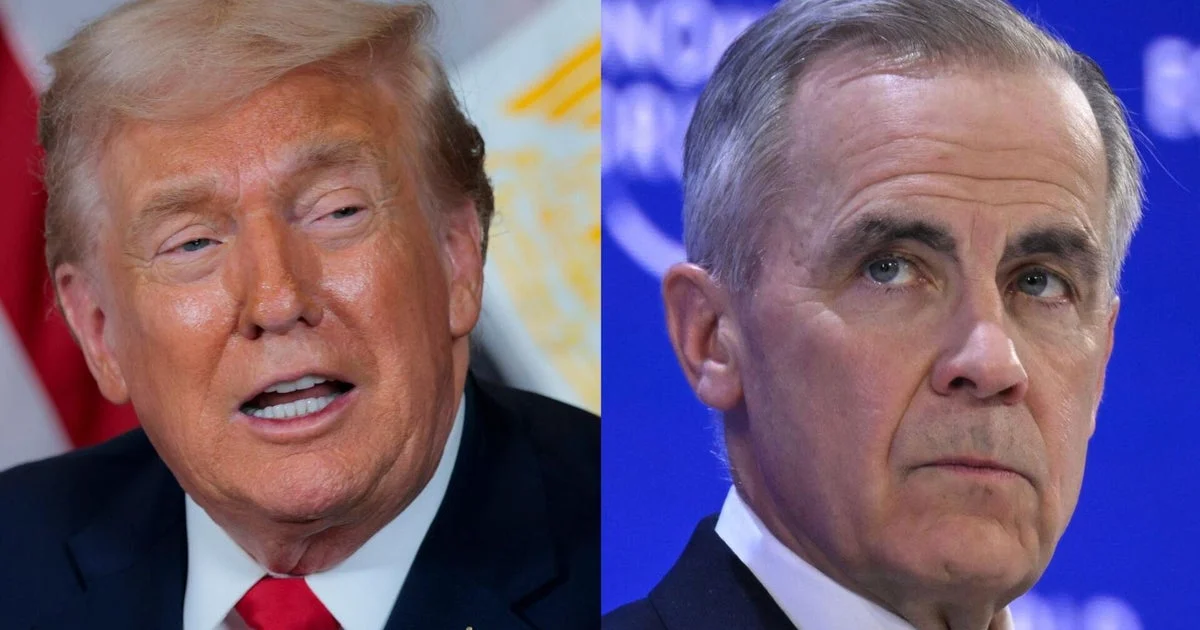
The Trump administration announced on Tuesday that it will ban imports of Canadian motorcycles, most dairy products, and alcoholic beverages starting September 29, intensifying the ongoing trade dispute with Canada. This action comes less than a day after Canada imposed retaliatory tariffs of $20 billion on U.S. goods following earlier American tariffs on Canadian products.
What Happened
On September 8, 2026, the Trump administration issued proclamations signed by President Trump setting an effective date of September 29 for bans on a majority of Canadian alcohol, motorcycles, whey, molasses, and nonalcoholic beer imports. Additionally, starting the following Tuesday, new tariffs of 50% will be applied to Canadian cheese products, steel, aluminum, and bamboo furniture. Some previously imposed tariffs on items like toilet paper, cement, and fishing rod parts were lifted after further government review.
The administration cited Canada’s failure to remove trade barriers and accused Canadian negotiators of ceasing to negotiate “in good faith” during last-minute talks aimed at preventing further tariffs. Canada, led by Prime Minister Mark Carney, pledged to respond with matching tariffs on American goods. Several Canadian provinces have also maintained boycotts of American alcohol that began in August.
Despite the escalating economic tensions, senior White House officials affirmed ongoing dialogue with Canadian trade leaders and expressed openness to alternative negotiation paths. The administration reaffirmed its threat to impose a 50% tariff on all Canadian automotive imports, trucks, auto parts, and steel beginning January 1, 2027, if no agreement is reached.
President Trump also announced a ban on Canadian-made products for U.S. federal government contracts unless Canada opens its markets to U.S. imports. He further criticized Bombardier, a Canadian aircraft manufacturer, threatening to block its sales in the United States unless it relocates production domestically. Bombardier employs thousands of Americans and has received public support from Republican senators Roger Marshall and Jerry Moran of Kansas.
Key Facts
The bans and tariffs announced include:
- Ban on most Canadian alcohol imports effective September 29, 2026.
- Ban on Canadian motorcycles, whey, molasses, and nonalcoholic beer starting the same day.
- Additional 50% tariff on Canadian cheese, steel, aluminum, and bamboo furniture effective the week after September 29.
- Termination of some previous tariffs on toilet paper, cement, and fishing rod parts after government impact assessment.
- Threat of a 50% tariff on Canadian automotive imports, trucks, auto parts, and steel starting January 1, 2027, if no deal is reached.
Canada’s retaliatory tariffs also target $20 billion worth of U.S. goods. Canadian provinces have maintained boycotts on American alcohol since last month.
Bombardier, with nine major U.S. facilities and thousands of American employees, faces potential blocking from U.S. markets unless it commits to domestic production.
What This Means
The Trump administration’s expanded bans and tariffs represent a sharp escalation in the U.S.-Canada trade conflict, signaling a willingness to impose strict measures on close allies to pressure more favorable trade terms. For consumers, this could mean higher prices or reduced availability of Canadian motorcycles, alcohol, and dairy products in the U.S. market. The automotive and manufacturing sectors remain on alert as the potential January 2027 tariffs could disrupt supply chains and increase costs for American businesses dependent on Canadian parts and steel.
The federal ban on Canadian products for government contracts could have significant implications for suppliers like Bombardier, which employs thousands of Americans. This move highlights how trade disputes are intertwined with domestic job politics, as evidenced by bipartisan concerns from lawmakers representing affected states.
While both nations continue talks and express interest in resolving issues, the strong rhetoric and immediate tariff actions underscore the fraught nature of current U.S.-Canada trade relations. This ongoing conflict could reshape the economic ties between the two countries and affects industries, workers, and consumers on both sides of the border.
Background
The trade tensions follow a cycle of reciprocal tariffs imposed after the U.S. government accused Canada of unfair trade practices related to its agricultural and manufacturing sectors. Canada’s $20 billion tariff response mirrors the U.S.’s tariffs on Canadian goods, setting off a tit-for-tat escalation since last month.
In addition to tariffs, some Canadian provinces began boycotting American alcoholic beverages, further compounding friction. The Trump administration had earlier threatened broad tariffs on Canadian automotive imports, which remain scheduled for January 2027 if no agreement is reached.
What Comes Next
The immediate bans and tariffs will take effect late September into early October, with the 50% automotive tariffs set for January 2027 pending negotiation outcomes. White House officials have signaled ongoing trade talks with Canadian counterparts in hopes of finding a negotiated solution, but deadlines loom as the tariff dates approach.
Sources
This article is based on reporting and publicly available information from the following sources:
Read more Politics stories on Goka World News.