
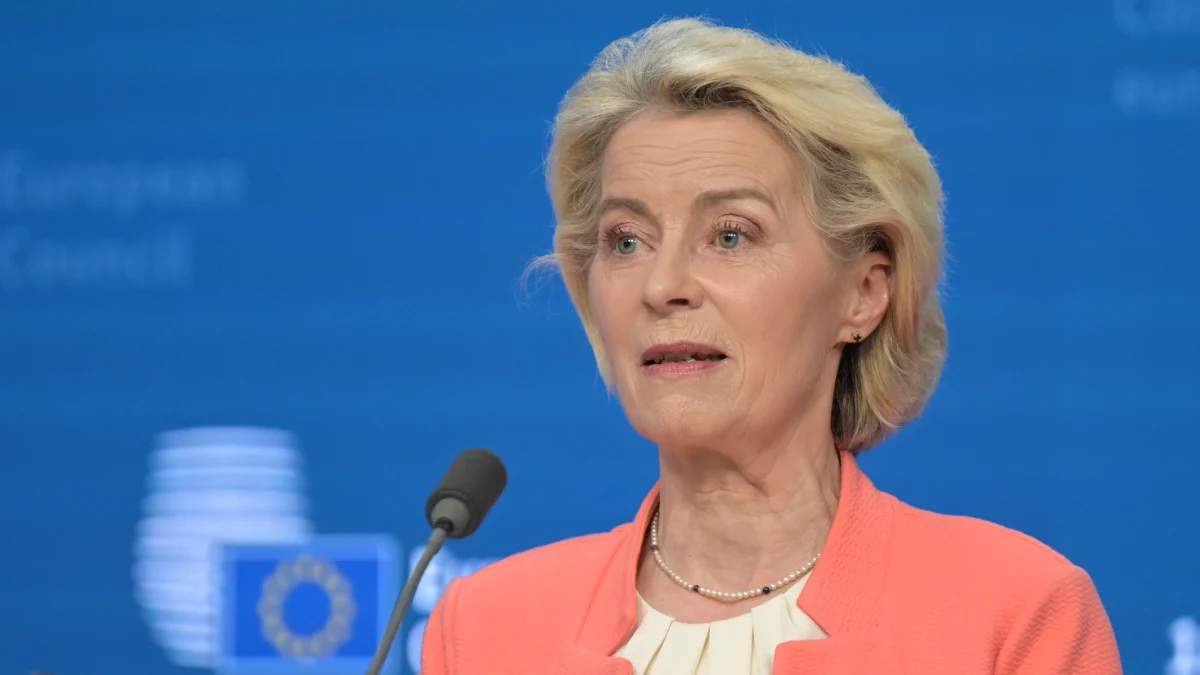
The European Commission, led by President Ursula von der Leyen, is poised to unveil a landmark regulatory framework aimed at restricting social media and digital service access for children under the age of 15 across the European Union. The proposed measures form a central piece of the forthcoming EU Kids Act, expected to be officially announced on September 17. This proposal seeks to address mounting concerns about children’s exposure to age-inappropriate and potentially harmful content on digital platforms.
What Happened
On September 17, the European Commission is scheduled to formally introduce the EU Kids Act, a proposal that sets a continent-wide ban on children under 15 creating accounts on social media, video-sharing platforms, AI chatbots, and online gaming services. This initiative represents a comprehensive effort to harmonize regulations across the 27-member states, replacing fragmented national attempts, and comes after recommendations from a panel established by the Commission. The draft of the proposal, leaked prior to the announcement, outlined a staged access regime, including a strict moratorium on accounts for children under 3 years, parent-controlled accounts for those between 3 and 12, and controlled access for children aged 13 to 14. Full access would only be permitted from age 15 onwards.
Key Facts
The EU Kids Act proposal specifically targets digital platforms accessible by minors, including social media, video-sharing services, online gaming, and AI-driven chatbots and companions. Age verification measures will be mandated for all relevant accounts to prevent circumvention by minors, though details on privacy-compliant implementation remain under discussion. Operators of these platforms will bear the responsibility of proving compliance. The regulation excludes education-specific platforms and services operated by public authorities. Additionally, the proposal contemplates design changes to reduce addictive features and mitigate exposure to harmful content in children’s digital feeds. Platforms are also expected to pay supervisory fees to fund enforcement. Although integral to digital safety, the proposals must still undergo approval processes by both the European Parliament and EU member states, with implementation unlikely before 2028, consistent with typical EU legislative timelines.
What This Means
The EU Kids Act underscores the European Union’s growing ambition to set stringent rules surrounding children’s online safety, reflecting rising public and political pressure. By establishing an EU-wide age limit, this proposal aims to curtail access and exposure to risky online content and protect minors from potentially harmful interactions with AI-driven platforms and services. For platform operators, this means significant compliance obligations, including implementing robust age verification processes and redesigning user interfaces to minimize addictive or harmful content. The cost and technical challenges of balancing effective age verification with rigorous EU data protection standards represent a notable regulatory hurdle.
For families and children, the measure promises tighter protection online, potentially reducing early exposure to social media and AI chatbots that many experts associate with mental health risks and privacy concerns. However, debates remain about balancing child protection with fundamental rights, such as access to information, especially since some member states set voting age at 16. The staged access framework attempts to navigate these issues by differentiating access levels by age.
Beyond immediate protections, the proposal could influence global digital regulation trends, positioning the EU once again as a leader in setting online safety and AI oversight standards, following initiatives like the Digital Services Act and the AI Act.
Background
The EU Kids Act builds on the EU’s existing comprehensive digital regulatory architecture, including the Digital Services Act (DSA), which currently governs platform liabilities and online safety obligations. National governments within the EU, including France, Greece, and Denmark, have already pursued their own social media bans or restrictions aimed at children, which created a fragmented regulatory environment. The European Commission recognized the need for a unified approach to avoid competing regulatory frameworks that complicate compliance for digital service providers. The proposal also follows international trends, such as similar moves in Australia, the United Kingdom, and certain U.S. states addressing minors’ access to social media.
What Remains Unclear
The EU Commission has not yet finalized the precise mechanisms for age verification, with privacy considerations posing significant challenges given the bloc’s strict data protection rules. Additionally, how legacy platforms or services like YouTube Kids, WhatsApp, or education-focused platforms will be classified and regulated under the proposal remains unsettled. The timeline for legislative negotiation and potential amendments is still to be determined, with no fixed deadlines for parliamentary or member state approval beyond the anticipated introduction date.
What Comes Next
Following the public announcement on September 17, the proposal will enter the co-decision process requiring approval by both the European Parliament and the Council of the European Union. Legislative negotiations could take several years, with the earliest implementation possible around 2028, following precedent for digital legislation within the EU. Stakeholder consultations and further draft revisions are expected during this period.
Sources
This article is based on reporting and publicly available information from the following source:
Read more Digital Policy stories on Goka World News.