
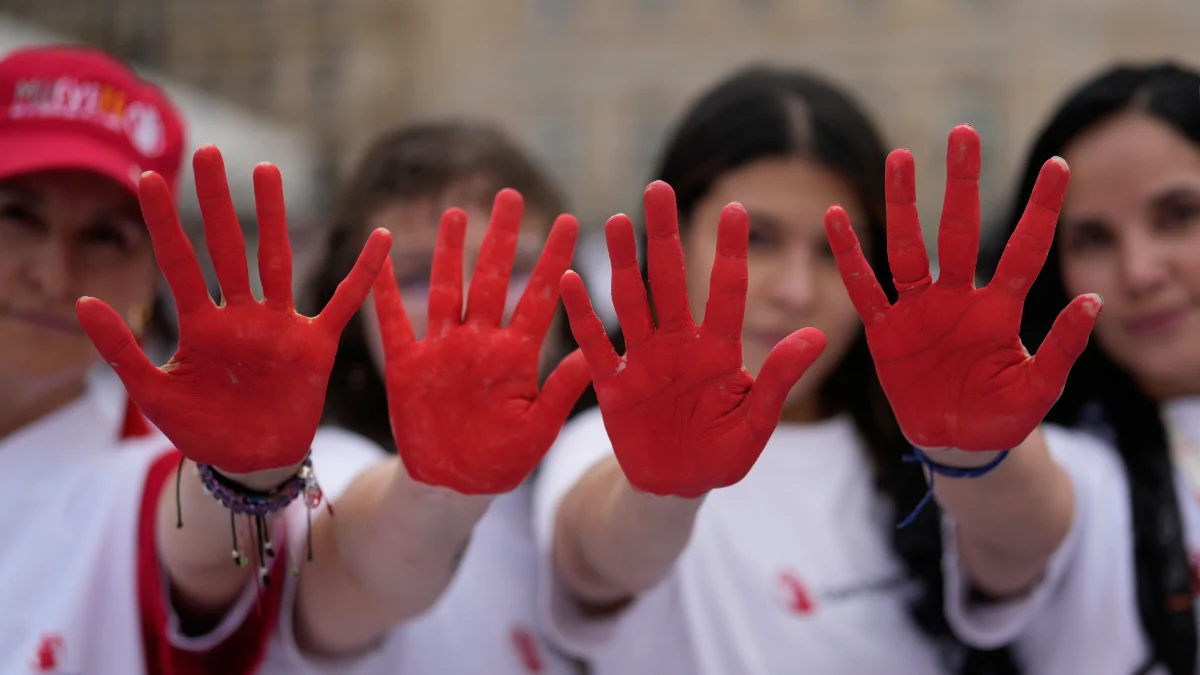
A recent investigation by Human Rights Watch has underscored how armed groups in Colombia are leveraging social media platforms such as Facebook and TikTok to recruit children, sparking calls for enhanced regulatory oversight of these digital networks. The report, titled “‘I Thought I’d Never See My Mom Again’: Recruitment and Use of Children by Colombian Armed Groups,” highlights systemic gaps in content moderation and algorithmic amplification that allow recruitment-promoting material to proliferate online.
What Happened
In August 2026, Human Rights Watch published the comprehensive report documenting the recruitment of over 1,500 children by armed groups in Colombia over the past five years. The investigation detailed how social media platforms, particularly Facebook and TikTok, have become conduits for these groups to target children and adolescents. Researchers observed explicit recruitment posts, including job offers and promotional videos, that remain accessible online for extended periods despite reports filed with platform operators. Both Meta (Facebook’s parent company) and ByteDance (TikTok’s parent) acknowledged banning violent organizations in their community standards but have struggled to effectively enforce these policies.
Key Facts
The recruitment tactics involve sophisticated use of platform algorithms that recommend content from armed groups, often glamorizing their lifestyle through images of money, weapons, and vehicles, set to narcocorrido music. Reports highlighted the use of coded emojis to signal affiliation and job offers, such as clover emojis representing coca cultivation jobs linked to drug trafficking. The groups prominently identified include the National Liberation Army (ELN) and dissident factions of the Revolutionary Armed Forces of Colombia (FARC). Human Rights Watch confirmed that almost half of child recruitment cases in Colombia can be traced back to social media exposure.
Despite multiple reports to Meta and ByteDance, many profiles and their posts remained active for months, garnering thousands of interactions. Children recruited via social media frequently experience harsh realities, including forced isolation, indoctrination, armed combat involvement, and abuse within these groups.
What This Means
This investigation reveals alarming regulatory deficiencies in how social media platforms monitor and respond to content linked to violent armed groups. The persistent presence of recruitment material on Facebook and TikTok illustrates the challenges platforms face in balancing openness with the need to protect vulnerable users—particularly children—from exploitation.
The findings underscore an urgent need for stronger regulatory frameworks that mandate proactive detection, rapid removal, and algorithmic restrictions on content promoting illegal armed recruitment. For Colombian communities, especially in impoverished and marginalized rural regions, improved social media governance could reduce the digital pathways that expose children to violence and human rights violations.
Globally, the case illustrates how emerging AI-driven recommendation systems can be manipulated by criminal actors to extend their reach. Thus, the Colombian experience may influence broader conversations about transparency, accountability, and forced safeguards in AI-powered content moderation, shaping future AI regulation and compliance standards on social media platforms.
Background
Colombia has a long history of armed conflict involving groups like the ELN and FARC dissidents, who have relied on various recruitment methods in vulnerable populations. While traditional recruitment involved coercion in rural areas, the advent of social media has created new digital recruitment fronts. Human Rights Watch’s report builds on previous documentation of these practices but provides recent and detailed evidence of the growing online dimension.
What Comes Next
The report advocates for placing social media regulation at the heart of efforts to combat child recruitment. This includes calls for policymakers in Colombia and internationally to introduce robust legal requirements for social media companies regarding the identification and mitigation of recruitment content.
Though no specific legislative actions were detailed in the report, the findings are likely to energize debates in Colombian governance circles and global regulatory forums about strengthening platform responsibilities and ensuring better protection of children in digital spaces.
Sources
This article is based on reporting and publicly available information from the following source:
Read more Digital Policy stories on Goka World News.