
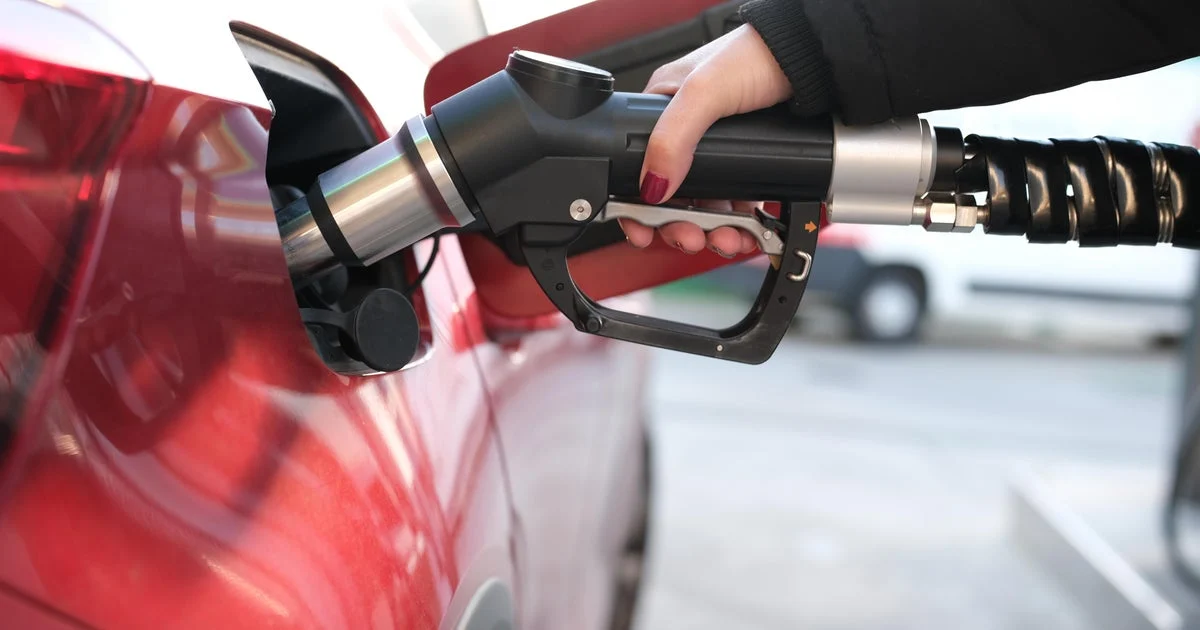
U.S. drivers are facing sustained high fuel costs as gasoline prices climbed to an average of $4.44 per gallon nationwide, with diesel reaching record prices amid ongoing geopolitical conflicts and challenges in refining capacity. Energy experts warn that fuel prices are likely to continue rising, extending the financial strain on consumers and businesses.
What Happened
On Thursday, the national average price for regular gasoline rose by 7 cents overnight to $4.44 per gallon, marking nearly a 50% increase since before the Iran conflict began in February. Diesel prices surged to an unprecedented $6.40 per gallon, rising 77 cents since the start of September. Patrick De Haan, petroleum analyst at GasBuddy, projected that gasoline could reach $4.50 per gallon within the week, with diesel potentially hitting $6.60 by the weekend. These price hikes reflect disruptions caused by conflicts in Iran, Russia, and Ukraine, which have tightened global oil supplies and hampered refining operations.
Key Facts
According to AAA and GasBuddy data, diesel prices in some states have already surpassed $6.60 per gallon, with California averaging $8.35 per gallon. Brent crude oil, the international benchmark, traded near $103 per barrel on Thursday. Supply constraints include refinery outages such as the recent power failure at an ExxonMobil facility near Chicago, and attacks on critical oil infrastructure like the Saudi East-West pipeline and Russian refineries targeted by Ukrainian drone strikes. These disruptions have removed millions of barrels per day from the global market, further straining supply chains. Midwest consumers confront gasoline prices averaging $4.78 per gallon, significantly higher than the national average.
What This Means
The surge in gasoline and diesel prices carries broad implications for both consumers and the broader U.S. economy. For individual drivers, escalating pump prices directly increase daily transportation costs, squeezing household budgets already challenged by inflation. Diesel’s role as the primary fuel for trucks, rail, and construction means that elevated costs will cascade through the supply chain, raising prices of goods including food, retail products, and home heating oil.
Residents in regions reliant on heating oil, principally in the Northeast, face potentially steep winter heating bills, with costs projected to reach around $6,000 for households using typical annual quantities. The inflationary pressure exerted by high diesel prices could amplify the general inflation trend, adding to the cost of living and potentially impacting economic growth. Consumers and businesses alike should prepare for an extended period of elevated fuel prices given the entrenched global geopolitical risks and refining bottlenecks.
Background
The current price surge traces back to geopolitical conflicts beginning early in the year, notably the Iran war and the conflict between Russia and Ukraine. These tensions have disrupted oil exports and refined product availability worldwide. Additional complications include attacks by Iran-backed Houthi rebels on strategic infrastructure such as the Saudi East-West pipeline and ongoing Russian export restrictions following sanctions. The U.S. faces domestic refining challenges as well, with outages impacting supply, especially in the Midwest and West Coast regions.
The Bigger Picture
Fuel prices in the United States exhibit regional disparities influenced by proximity to refining facilities and state policies. Typically, states with abundant local energy production and refining capacity, often with more politically conservative governance, experience comparatively lower prices. Conversely, states like California, with fewer refineries and stricter environmental regulations, endure higher fuel costs. The convergence of global conflicts and domestic refining issues is elevating these divides.
What Comes Next
Experts indicate that unless there are significant changes in the geopolitical landscape or swift improvements in refining output, high fuel prices are poised to persist for the foreseeable future. Consumers should monitor price trends closely and prepare for continued volatility at the pump and in goods transportation costs.
Sources
This article is based on reporting and publicly available information from the following source:
Read more Business stories on Goka World News.