
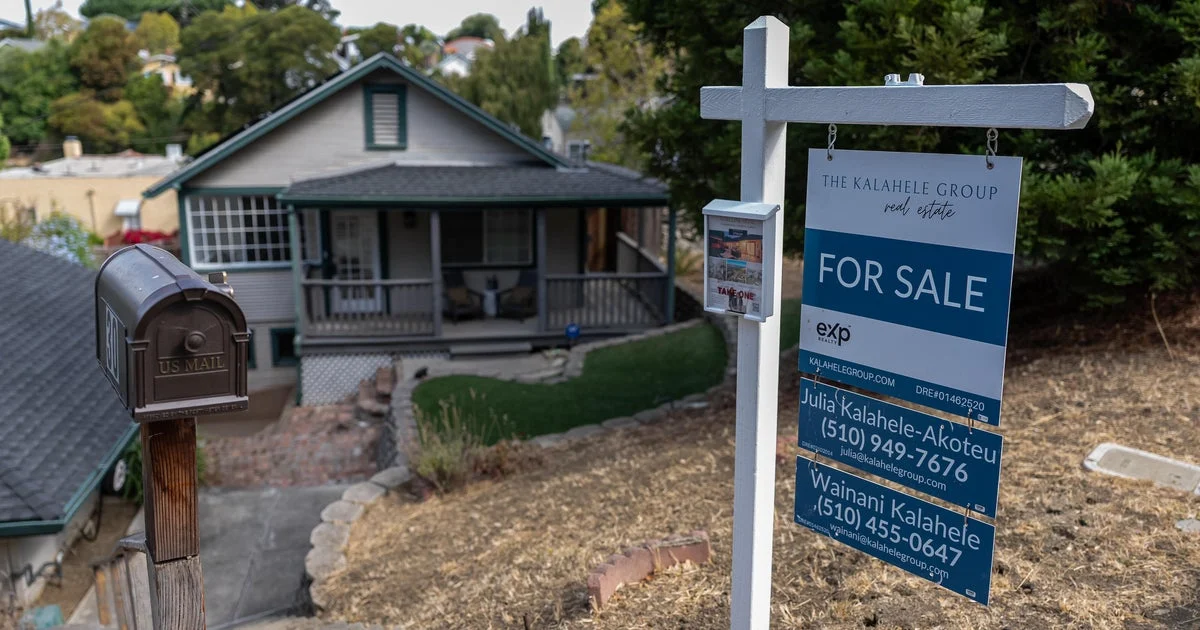
Mortgage rates have surged to their highest level in more than a year, nearing 7%, deepening affordability challenges for prospective homebuyers across the United States. Thomas Louis, a resident of Asbury Park, New Jersey, described his experience as “despondent” after three years and 15 offers to purchase a home, underscoring how higher borrowing costs and market conditions are straining buyers even with above-average incomes.
What Happened
On Thursday, the average 30-year fixed-rate mortgage reached 6.95%, according to Freddie Mac, marking an increase from 6.76% the previous week and the highest level since January 2025. This marks the 11th consecutive week of rising rates amid geopolitical tensions, inflationary pressures linked to the ongoing Iran war, and volatility in the bond market. The Federal Reserve’s recent decision to raise interest rates by 0.25 percentage points — the first hike in three years — and indications of possible further increases later this year have contributed to upward pressure on mortgage costs.
Key Facts
The rise in mortgage rates closely tracks movements in the 10-year U.S. Treasury note, which this week hit its highest levels since 2007 as investors respond to inflation concerns and soaring government debt. Jake Krimmel, senior economist at Realtor.com, notes that mortgage rates tend to move in tandem with the Treasury yield, with roughly an estimated 80% correlation in recent years. In addition to rate increases, home sales data reflect a cooling market: the National Association of Realtors reported that existing home sales dropped 2% in August to 3.98 million, the lowest since June 2025.
The median home price nationally stood at $374,819 in August, representing a 20% increase since 2021 and an 80% rise over the past decade, according to Zillow data. Thomas Louis and his wife, earning about $250,000 annually combined, have been unable to find a suitable home in their price range of approximately $500,000 in New Jersey’s Monmouth and Ocean counties due to persistent competition and rising prices.
What This Means
The near-7% mortgage rate level significantly raises monthly borrowing costs for homebuyers, limiting affordability even for middle-to-upper income households. This tightening in borrowing capacity comes amid already elevated home prices, creating a formidable barrier to entry for many would-be buyers. The rise in rates forces sellers to lower asking prices or risk fewer offers, leading to a market slowdown. Consequently, the housing market is experiencing a prolonged period of constrained activity, with fewer purchases completing and an increasing number of prospective buyers pulling back or delaying decisions.
The situation highlights broader economic challenges, where central bank policies aimed at curbing inflation indirectly suppress housing market demand by pushing financing costs upward. Buyers like Louis, despite adopting aggressive strategies such as waiving inspections and offering above asking prices, face intensified competition from cash buyers unaffected by mortgage rate increases. This dynamic is reshaping the housing market landscape, especially in high-cost regions like New Jersey, and raising questions about long-term affordability and mobility for many families.
Background
Over the past several years, the U.S. housing market has grappled with a supply-demand imbalance, driving prices higher and exacerbating affordability issues. Recent bipartisan legislation in Washington, D.C., attempts to address supply constraints but solutions take time to materialize. Meanwhile, inflationary pressures and geopolitical conflicts have contributed to a resurgence in interest rates, culminating in the Federal Reserve’s policy reversal after years of static rates. These factors combine to create headwinds for homebuyers and sellers alike.
What Comes Next
The Federal Reserve’s upcoming policy meetings in October and December could bring further interest rate hikes, contingent on inflation trends, potentially pushing mortgage rates even higher. This evolving environment will continue to shape mortgage costs and housing market dynamics in the months ahead.
Sources
This article is based on reporting and publicly available information from the following sources:
Read more Business stories on Goka World News.