
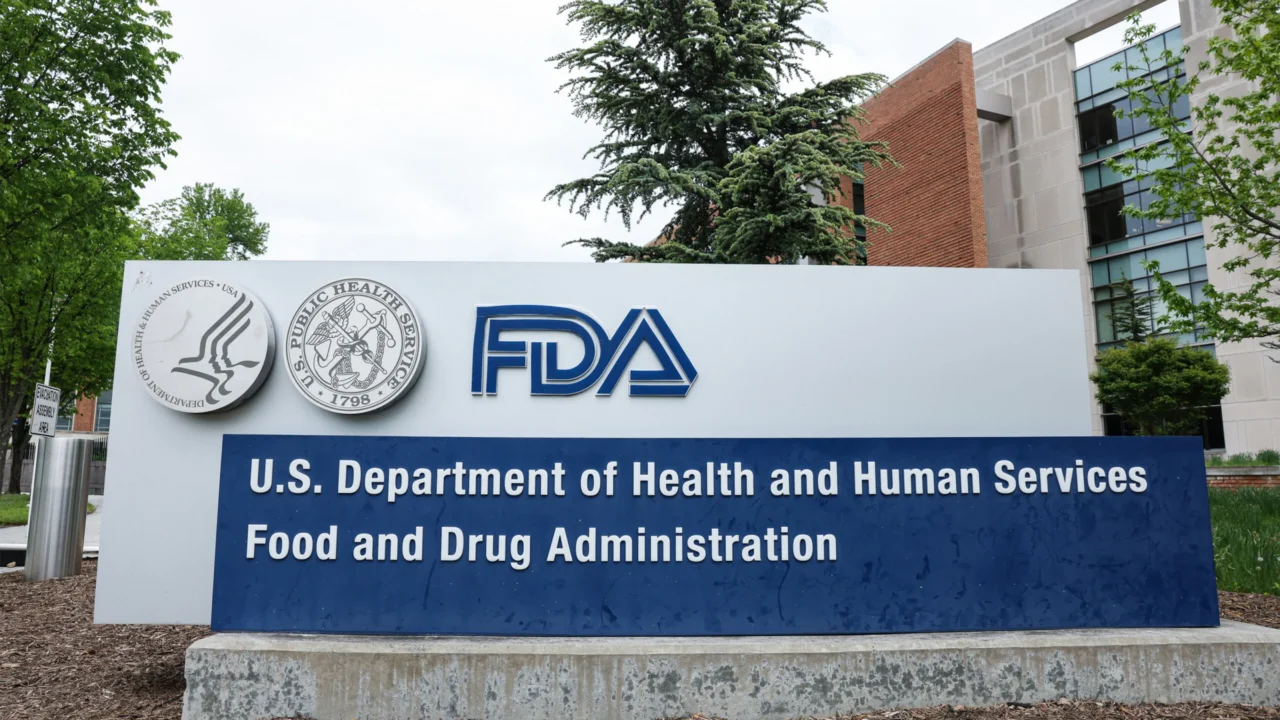
The U.S. Food and Drug Administration (FDA) often requires drug and medical device manufacturers to conduct lengthy postmarket safety studies to monitor risks after initial approval. However, a comprehensive analysis by KFF Health News of FDA data reveals that many of these mandated studies are significantly delayed, sometimes by over a decade, leaving uncertainty around the true safety profiles of approved products.
What Happened
When the FDA approved the autoimmune disease drug Tavneos in 2021 despite limited safety data, it imposed a requirement that the manufacturer conduct additional long-term safety research post-approval. According to an FDA letter and regulatory database, as of late 2023, Tavneos’ postmarket study had enrolled only 21 of the 300 planned patients, hindering the evaluation of potential serious side effects such as liver damage. Tavneos exemplifies a widespread problem: hundreds of FDA-mandated postmarket studies for drugs and devices are overdue or behind schedule.
KFF Health News examined FDA databases downloaded in August 2023, finding nearly 600 postmarket studies for drugs, biologics, and medical devices were delayed. About a third of ongoing studies missed their original completion deadlines, with more than 250 studies originally due before July 31, 2026, now overdue. Similar delays affect medical device postmarket trials, such as for the CustomFlex Artificial Iris and the Scandinavian Total Ankle Replacement system, both with significant enrollment shortfalls and unknown safety outcomes.
Key Facts
- The FDA’s August 2023 data showed almost 600 delayed postmarket studies involving roughly 350 drug or biologic products.
- Among these, 250 studies originally had final reports due by July 31, 2026, but remain incomplete.
- Examples from delayed device studies include the CustomFlex Artificial Iris, which had zero patient enrollment as of 2019 for a study planned to last five years.
- Pfizer’s COVID-19 treatment Paxlovid has a delayed safety study assessing use in pregnant women, with completion previously scheduled by the end of 2024.
- Postmarket studies evaluate safety concerns such as liver damage, adverse cardiovascular events, misuse, and long-term efficacy.
- The FDA sometimes grants extensions or denies them, and in rare cases, products are discontinued before studies conclude.
- Accelerated approvals and policy changes, such as allowing one clinical trial pre-approval instead of two, increase reliance on postmarket data.
What This Means
The widespread delays in FDA-mandated postmarket safety studies mean patients, doctors, and health systems often lack clear, up-to-date information on the risks and benefits of drugs and devices already on the market. This uncertainty complicates clinical decision-making and patient care, potentially exposing users to unknown harms or insufficiently verified benefits. The prolonged timelines also impose financial burdens on public and private payers, including Medicare and Medicaid, which continue to cover expensive treatments with unconfirmed safety data.
The FDA’s approach reflects a difficult balance between speeding patient access to potentially life-saving treatments and ensuring robust evidence of safety and efficacy. Efforts to accelerate approvals—such as by reducing pre-approval trial requirements—shift greater weight onto post-approval studies, increasing pressure on an already strained system. Experts warn this may undermine postmarket research’s effectiveness, reducing its ability to identify and mitigate risks adequately after widespread use begins.
Delays further complicate enforcement because, while studies remain unfinished, manufacturers continue marketing drugs and devices. This can incentivize postponing or neglecting postmarket commitments without immediate consequences. Consequently, “toothless” postmarket requirements risk becoming procedural hurdles rather than meaningful safeguards.
Background
The FDA often approves drugs and devices under accelerated or conditional pathways intended for serious or rare diseases with unmet medical needs. These pathways allow earlier market access based on preliminary data, with the proviso that manufacturers conduct confirmatory postmarket studies. For example, Tavneos was approved despite limited initial safety data, with required follow-up research.
Similar challenges have emerged with other expedited approvals, such as Sarepta Therapeutics’ Duchenne muscular dystrophy drug Exondys 51, which was approved despite internal FDA concerns about lack of proven benefit. The agency’s inability to enforce withdrawal of drugs lacking confirmed efficacy or safety after accelerated approval has raised ongoing concerns.
What Remains Unclear
While delays are apparent, the FDA asserts that delayed studies do not necessarily indicate unresolved safety issues, and some may be postponed for legitimate reasons. The specific causes for delay in each case, as well as their ultimate impact on patient safety, are not fully transparent. The agency’s enforcement actions and potential penalties for noncompliance have not been detailed publicly in many instances.
It also remains uncertain how the FDA will adapt its regulatory framework to ensure timely and rigorous postmarket study completion amid evolving approval policies and increasing reliance on these studies for safety data.
What Comes Next
The FDA has continued to require postmarket studies for newly approved products, including weight loss drugs under the Commissioner’s National Priority Voucher program, which streamlines review in exchange for additional safety monitoring. Manufacturers such as Amgen (Tavneos) and Pfizer (Paxlovid) state ongoing commitment to completing mandated studies.
Further regulatory reforms, increased scrutiny, or additional enforcement mechanisms may be needed to address persistent delays. Meanwhile, public health stakeholders continue to monitor the adequacy of postmarket surveillance as vital to safeguarding patients and informing clinical practice.
Sources
This article is based on reporting and publicly available information from the following sources:
Read more Health & Public Health stories on Goka World News.