
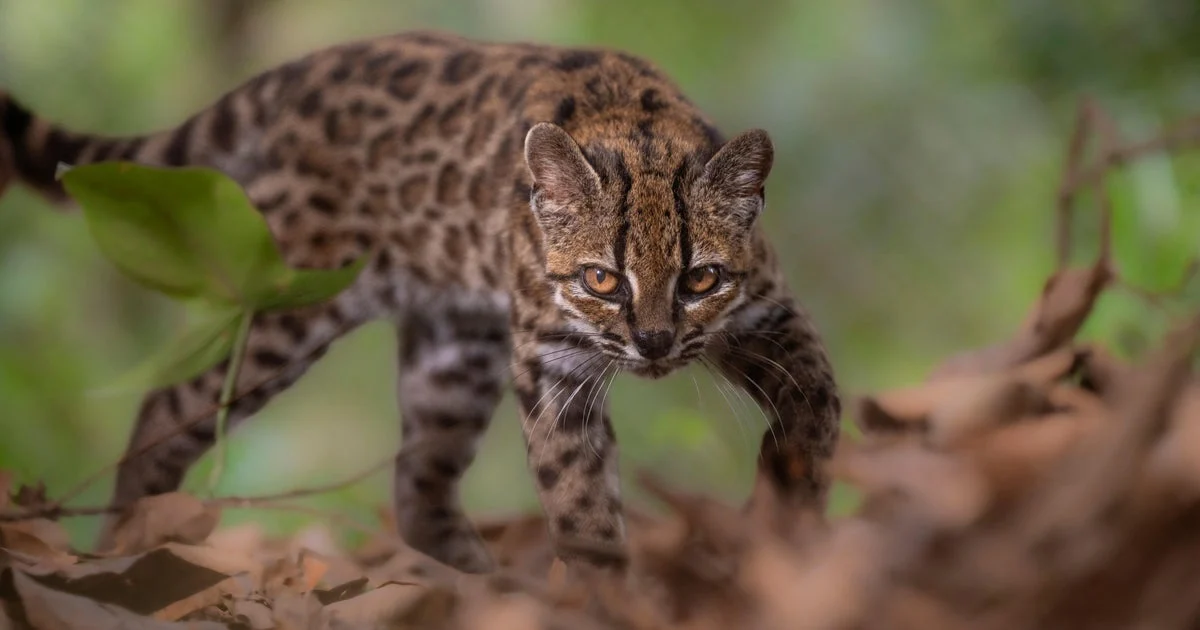
Scientists have identified a previously unknown wild cat species in Bolivia’s Yungas region, marking the first discovery of a new feline species in more than 100 years, according to biologist Paola Nogales-Ascarrunz, a National Geographic explorer involved in the research.
What Happened
The species, named Leopardus tilcayo and colloquially called the Tilcayo tiger cat, was discovered in the mountainous Yungas area near La Paz, Bolivia’s capital. The small spotted feline resembles a miniature leopard and had long been mistaken by locals for a domestic cat. It measures about 18 inches in length and features rounded ears.
The discovery was confirmed following comprehensive genetic testing, including whole genome sequencing performed on two specimens—a male currently residing in a Yungas animal shelter after being given up by a local family, and a female that was rescued after a local attack and subsequently released back into the wild.
Published on September 18, 2026, in the journal Current Biology, the research team’s findings conclude studies that began in 2021. This is the first new wild cat species described since the identification of the Uruguayan pampas cat in 1923.
Key Facts
The Tilcayo tiger cat, Leopardus tilcayo, is endemic to Bolivia, with no records of its presence elsewhere globally. The species’ official scientific name draws from the nickname “tilcayo,” given by local communities in the region. The animals’ small population size and habitat specificity have led researchers to classify them as vulnerable, with a heightened risk of extinction due to their low numbers.
Comprehensive genomic data was gathered through whole genome sequencing of the two known individuals, confirming their distinction as a separate species within the Leopardus genus.
What This Means
The discovery of Leopardus tilcayo underscores the continuing biodiversity richness of Bolivia’s Yungas region, an important mountainous ecosystem that sustains unique wildlife. For conservationists and policymakers, identifying this species highlights the urgency of protecting critical habitats vulnerable to human disturbance.
For local communities and environmental agencies, the presence of a newly identified wild cat may increase awareness and engagement in wildlife preservation efforts. Given its classification as vulnerable and the limited sightings to date, the species faces immediate conservation challenges. Without targeted protection, its already fragile population could decline rapidly, complicating regional biodiversity stability.
This finding also provides fresh opportunities for ecological research into cougar-sized predator roles in Andean ecosystems and how they influence local food webs. Moreover, it signals that there may be other undiscovered species in remote habitats, emphasizing the need for ongoing biological surveys accompanied by community collaboration to safeguard these environments.
Background
The first wild cat species discovery prior to this was the Uruguayan pampas cat described in 1923. Since then, advances in genetic technologies like whole genome sequencing have enhanced species identification, enabling scientists to distinguish closely related animals that appear similar. The Yungas region, part of the Andes mountain range, is known for its rich biodiversity but has also experienced habitat disturbances due to human activity.
What Remains Unclear
The extent of the Tilcayo tiger cat’s population size and range within Bolivia remains uncertain. Scientific efforts continue to establish the species’ complete habitat range, behavioral ecology, and population dynamics. Further studies are essential to determine effective conservation strategies and to clarify potential threats from human encroachment and environmental changes.
What Comes Next
Researchers plan to continue field surveys and genetic analyses to better understand Leopardus tilcayo’s ecological role and conservation needs. Conservation groups may seek to implement protection measures in the Yungas as data on the species’ distribution and risks become clearer. Ongoing monitoring and collaboration with local communities will be key in supporting the survival of this newly identified wild cat.
Sources
This article is based on reporting and publicly available information from the following source:
Read more Science Discoveries stories on Goka World News.