
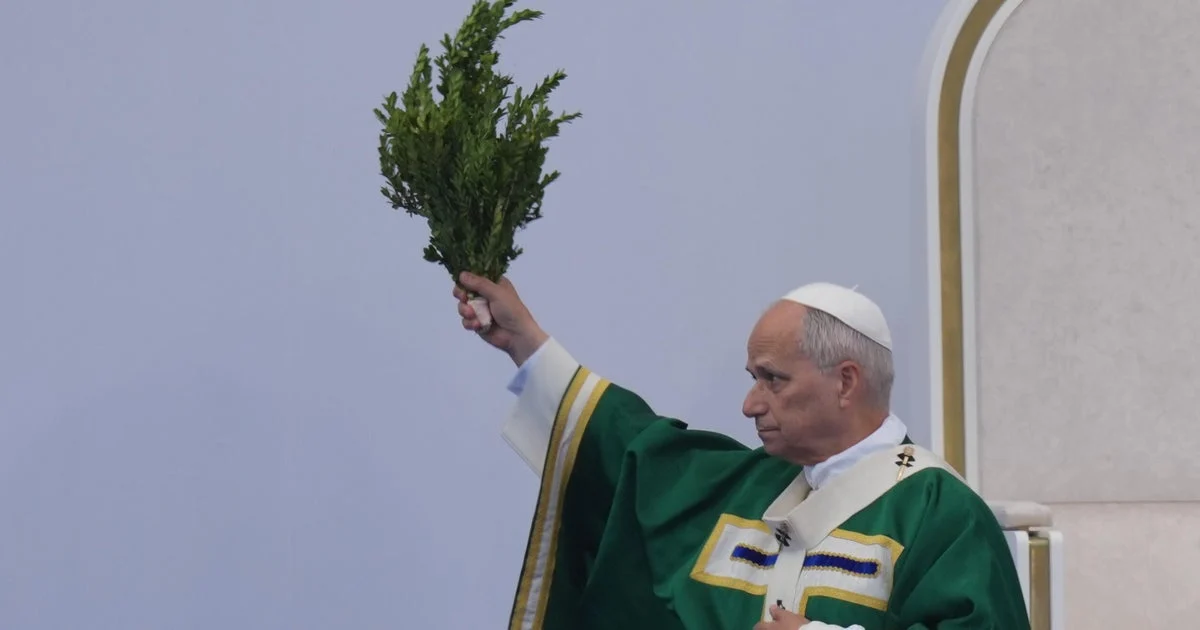
Pope Leo XIV sharply criticized the legalization of medically assisted dying as a form of “false compassion” during his visit to Lourdes, France. Speaking at the Catholic shrine known for miraculous healings, he emphasized that legal approval does not equate to moral acceptability, drawing applause from thousands gathered at the site revered by millions of pilgrims each year.
What Happened
On September 27, 2026, at the Sanctuary of Our Lady of Lourdes in France, Pope Leo XIV delivered a homily opposing laws that allow adults with incurable illnesses to receive lethal medication. This followed recent legislative changes in France legalizing assisted dying. During his third day in the country, the pope underscored the inherent dignity of all human life, particularly in the face of suffering, asserting that no law or algorithm can diminish this worth. Thousands attended the Mass, many in wheelchairs, highlighting the site’s role as a destination for the sick seeking hope and healing.
In addition to addressing the issue of assisted dying, Pope Leo met with seven survivors of clergy sexual abuse, recognizing their suffering and the ongoing crisis within the church. The meeting lasted two hours, during which survivors discussed proposals for abuse prevention and expressed cautious optimism about the pope’s sincerity and commitment to reopening hope.
Key Facts
Pope Leo’s statements came amid heightened debate in France, where assisted dying was legalized recently after years of political contention. Lourdes, near the Spanish border, attracts millions annually, many of whom come due to its association with 1858 Marian apparitions and reported miracles.
The pope praised French bishops for establishing an independent system of compensation for abuse victims, which has recommended payouts totaling over 20 million euros (about $22.7 million). He acknowledged the impact of the abuse scandal on the decline of priestly vocations in France, emphasizing the need for priests to be supported and loved to encourage new vocations.
The survivors who met with the pope included one who was abused as an adult. They highlighted the systemic nature of abuse and praised the pope’s receptiveness to concrete proposals. However, questions remain about the church’s continued handling of abuse cases, including the trial of Jesuit artist Rev. Marko Rupnik, accused of multiple abuses over decades and currently facing Vatican court proceedings.
What This Means
Pope Leo’s condemnation of assisted dying as “false compassion” resonates deeply within the ongoing ethical and legal debates over end-of-life care, particularly in countries like France where the law has shifted toward permissiveness. His remarks reaffirm the Catholic Church’s longstanding stance on protecting life from conception to natural death, influencing believers and policymakers who look to religious teachings when grappling with such sensitive issues.
For communities in France and beyond, especially those caring for the sick and disabled, the pope’s message reinforces a vision of dignity that challenges modern medical and legal approaches to suffering and death. It also highlights the tension between evolving societal values and traditional religious ethics.
Simultaneously, the pope’s engagement with abuse survivors in Lourdes underscores the church’s ongoing struggle to restore trust and justice. The acknowledgment of systemic problems and financial reparations signal efforts toward accountability, yet unresolved questions about the Vatican’s handling of cases like Rupnik’s reveal continuing institutional challenges.
Background
Lourdes has been a major pilgrimage site since the Catholic Church recognized the apparitions of the Virgin Mary reported by a young girl in 1858. It is famous for drawing the sick and disabled seeking miraculous cures, with 72 officially recognized miraculous healings. The site has recently taken on added significance as a place for survivors of clergy sexual abuse to seek healing and recognition.
The abuse crisis in the French church has been profound, with an independent 2021 report estimating that over 330,000 children were abused by approximately 3,000 priests and church workers over seven decades. In response, the French bishops implemented new victim compensation systems, though controversy remains regarding the church’s dual role as judge and party in abuse cases, a point raised by victims in an open letter to Pope Leo.
What Comes Next
The ongoing Vatican trial of Rev. Marko Rupnik continues to draw attention to church handling of abuse cases, with the pope having ordered a canonical trial in 2024 following public outcry. Meanwhile, the French bishops have been urged by Pope Leo to maintain momentum in addressing abuse and supporting victims.
Further meetings and actions from church leadership are expected as they confront these overlapping challenges of doctrinal teachings, end-of-life laws, and institutional reform.
Sources
This article is based on reporting and publicly available information from the following source:
Read more World News stories on Goka World News.