
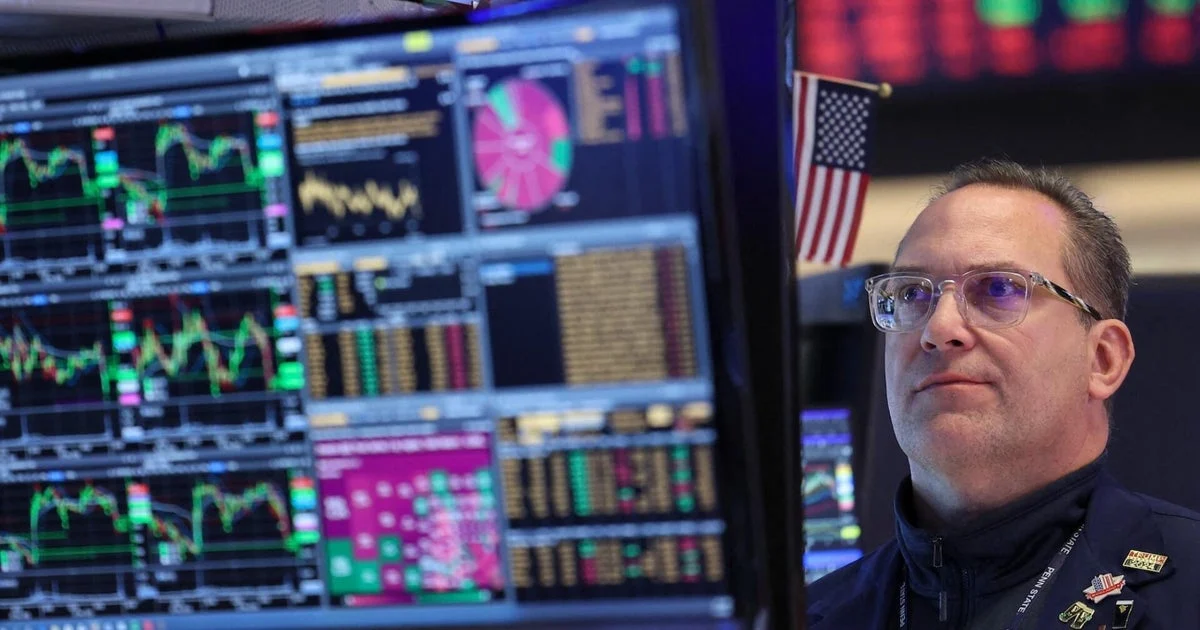
U.S. stock markets rebounded sharply on Monday as investors expressed hope that the conflict between the United States and Iran may soon ease, despite U.S. military actions including a blockade of the Strait of Hormuz. The S&P 500 closed 1% higher at 6,886 points, the Dow Jones Industrial Average gained 302 points (0.6%), and the Nasdaq Composite rose 1.2%.
Oil prices retreated from earlier highs above $100 per barrel amid this optimism. Brent crude, the international benchmark, settled at $98.16 per barrel, a 3.1% increase for the day, while West Texas Intermediate crude rose 1.3% to $97.82 per barrel, according to Oilprice.com data.
Strait of Hormuz Shipping Impact
The Strait of Hormuz, a crucial waterway responsible for transporting approximately 20% of the world’s oil and gas supply, has experienced significantly reduced ship traffic since the Iran conflict escalated in late February. Marine transit data showed that in April, an average of about 10 ships passed through daily, compared to around 129 ships per day before the conflict began.
Ongoing Negotiations Temper Market Concerns
Despite the military blockade, investors and analysts are interpreting current tensions as a phase of high-stakes brinkmanship rather than an irreversible escalation. Mark Luschini, chief investment strategist at Janney Montgomery Scott, told CBS News that the market’s response reflects expectations that ongoing ceasefire efforts and negotiations could lead to a peaceful resolution.
Officials indicated continued engagement between U.S. and Iranian leaders, with “forward motion on trying to get to an agreement,” suggesting both sides remain open to diplomatic solutions.
Why it matters
The Strait of Hormuz blockade poses a significant risk to global energy supplies, affecting oil prices and international markets. The recent partial easing in price volatility signals cautious investor confidence in diplomacy, which could reduce economic uncertainty and risks of wider conflict escalation.
Read more Business stories on Goka World News.