
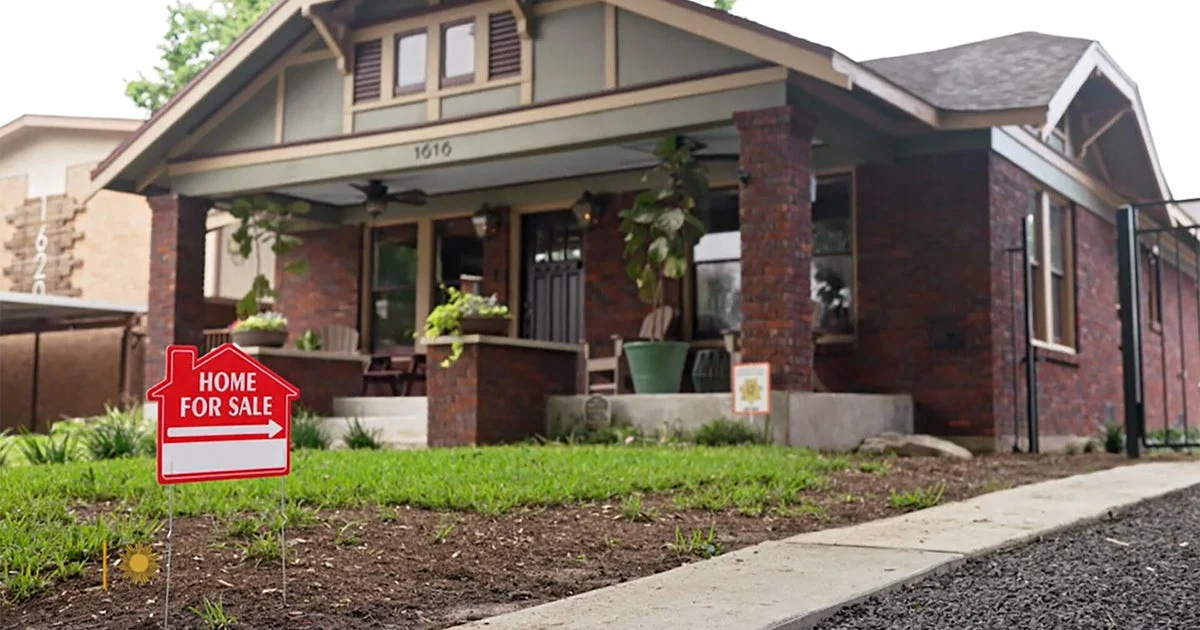
A growing number of young Americans are identifying as “forever renters” amid an increasingly challenging housing market. Shortages of available homes, elevated mortgage interest rates, and wages that have not kept pace with rising home prices have combined to restrict homeownership opportunities.
This trend has raised concerns about long-term financial stability and wealth building for younger generations. The scarcity of affordable homes has made purchasing a property virtually inaccessible for many first-time buyers.
To address these challenges, some cities are implementing innovative programs aimed at drawing homebuyers from outside their regions. One Midwestern city, for example, has launched an initiative designed to attract out-of-state buyers to help stimulate demand and revitalize the local housing market.
Why it matters
Homeownership remains a key component of economic security and wealth accumulation in the United States. Reduced ability for young people to own homes could have lasting effects on social mobility and exacerbate economic inequality.
Furthermore, the sustained high cost of housing impacts not only individual buyers but also broader economic growth and community development.
Background
The U.S. housing market has faced multiple pressures in recent years, including a limited supply of homes for sale, which drives prices upward. Concurrently, mortgage interest rates have increased after remaining historic lows for an extended period, raising the cost of borrowing.
At the same time, wage growth has generally lagged behind inflation and housing cost increases, leaving many prospective buyers unable to afford down payments or manage monthly mortgage payments.
Read more US News stories on Goka World News.