
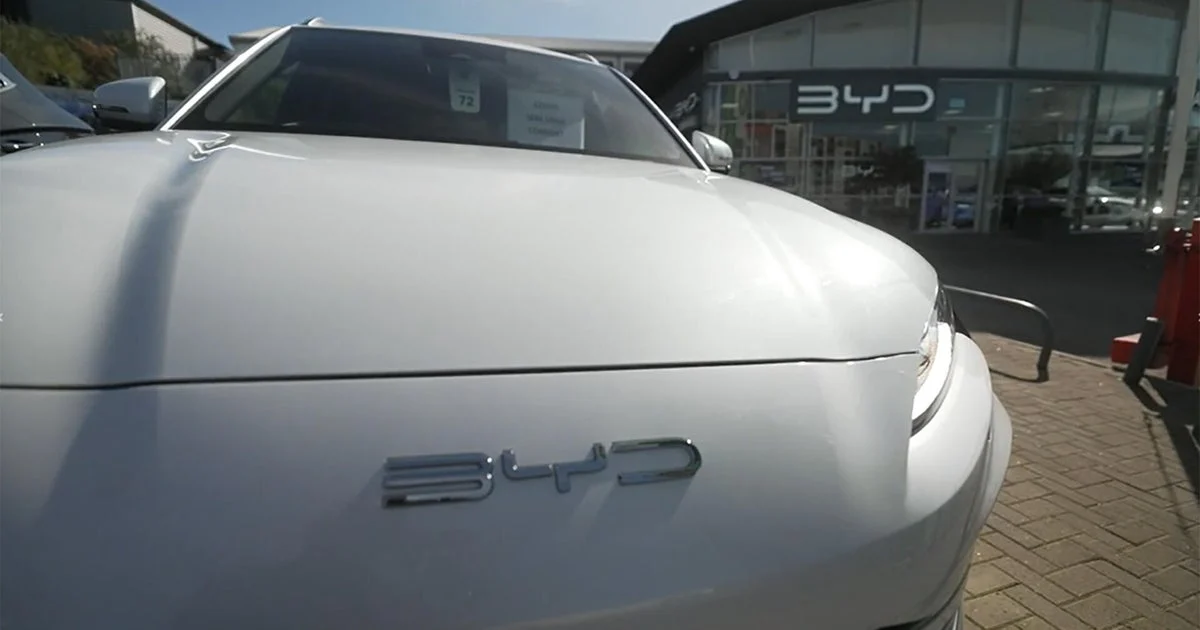
In 2023, Chinese electric vehicle manufacturer BYD overtook Tesla as the leading global seller of fully electric vehicles, highlighting the success of China’s long-term investment in EV innovation. BYD’s rise comes even as its vehicles remain largely absent from the U.S. market due to trade barriers and protective tariffs.
BYD, an acronym for Build Your Dreams, capitalized on China’s supportive policies and technological advancements to expand its electric vehicle production and sales both domestically and internationally. This strategy enabled the company to surpass Tesla, which has long been considered the dominant player in the electric vehicle industry.
Despite Tesla’s strong foothold in key markets like the United States, BYD’s ability to capture significant market share in China—the world’s largest auto market—and other regions has propelled it to the forefront. The company’s diverse lineup includes fully electric and plug-in hybrid vehicles, appealing to a broad consumer base.
Why it matters
BYD’s lead in electric vehicle sales underscores a shifting landscape in the global automotive industry where Chinese companies are emerging as formidable competitors. This development also raises concerns about the impact of protective tariffs and trade policies, which may limit American automakers’ ability to compete globally and innovate effectively.
As China continues to invest heavily in EV infrastructure and technology, international automakers may face increasing pressure to adapt or risk losing market share. The trade tensions and tariffs currently in place could further complicate the competitiveness of U.S.-based manufacturers in the electric vehicle sector.
Background
China has aggressively supported electric vehicle production through subsidies, research, and infrastructure development for more than a decade. This strategic focus was intended to reduce reliance on fossil fuels and position China as a leader in clean transportation technologies.
Meanwhile, Tesla has established major manufacturing facilities worldwide, including in China and the United States, and has focused on expanding its product lineup and production capacity. However, trade restrictions and import tariffs have hindered some Chinese EV manufacturers’ ability to enter the U.S. market, limiting their global reach.
Read more Business stories on Goka World News.