
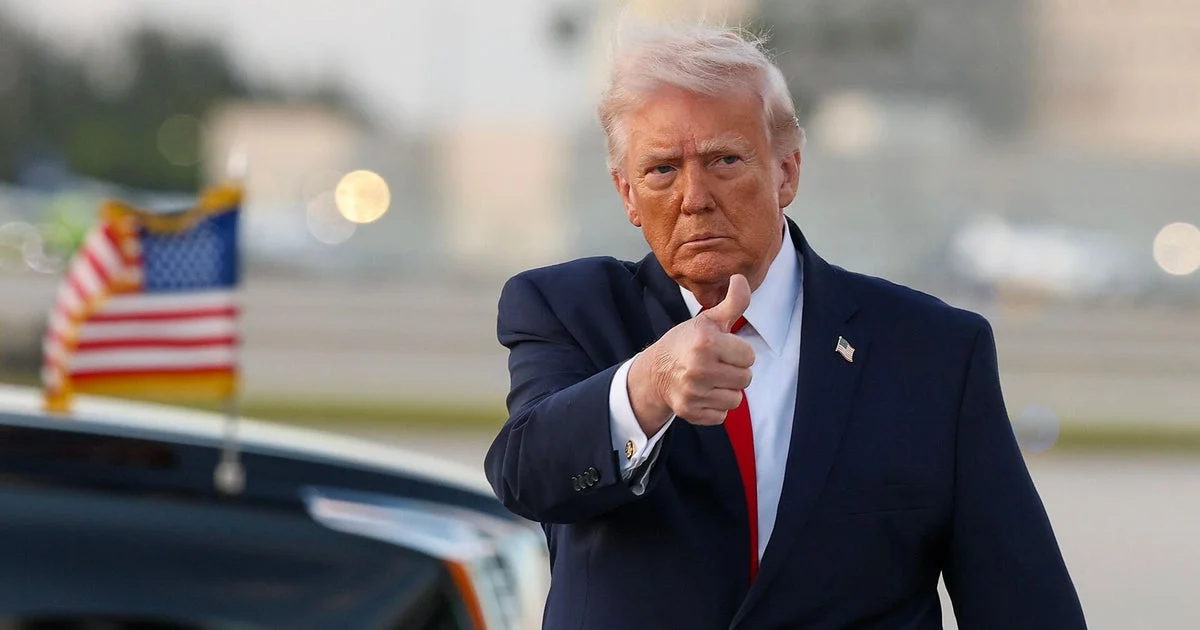
Former President Donald Trump declared the United States would impose a blockade on the Strait of Hormuz after peace talks with Iran collapsed. This announcement comes amid heightened tensions in the region and escalating concerns over global oil prices, which have contributed to inflationary pressures worldwide.
Trump’s Statement on Strait of Hormuz Blockade
Trump’s statement marks a significant escalation in rhetoric following unsuccessful diplomatic efforts to resolve disputes with Iran. The Strait of Hormuz is a critical maritime chokepoint through which a substantial portion of the world’s oil supply passes. A blockade there would disrupt global energy markets and could provoke further geopolitical instability.
Impact on Oil Prices and Inflation
The potential for a blockade has alarmed markets already grappling with rising oil prices, which are a key driver of inflation. Energy costs influence the price of goods and services worldwide, affecting household budgets and central bank policies. The collapse of peace talks with Iran has thus intensified concerns about further inflation increases, especially in economies highly dependent on imported oil.
Regional Security Concerns
The Strait of Hormuz is strategically important and has been a flashpoint for conflict between the U.S. and Iran in the past. Any attempt to blockade the passageway could lead to military confrontations and disrupt shipping lanes critical for global trade.
Why it matters
The announcement underscores ongoing volatility in U.S.-Iran relations and the fragile security environment in the Middle East. Disruptions at the Strait of Hormuz risk not only economic consequences but also heightened military conflict, potentially drawing in global powers. This development adds urgency to diplomatic efforts aimed at stabilizing the region and securing energy supplies essential to the global economy.
Read more Politics stories on Goka World News.