
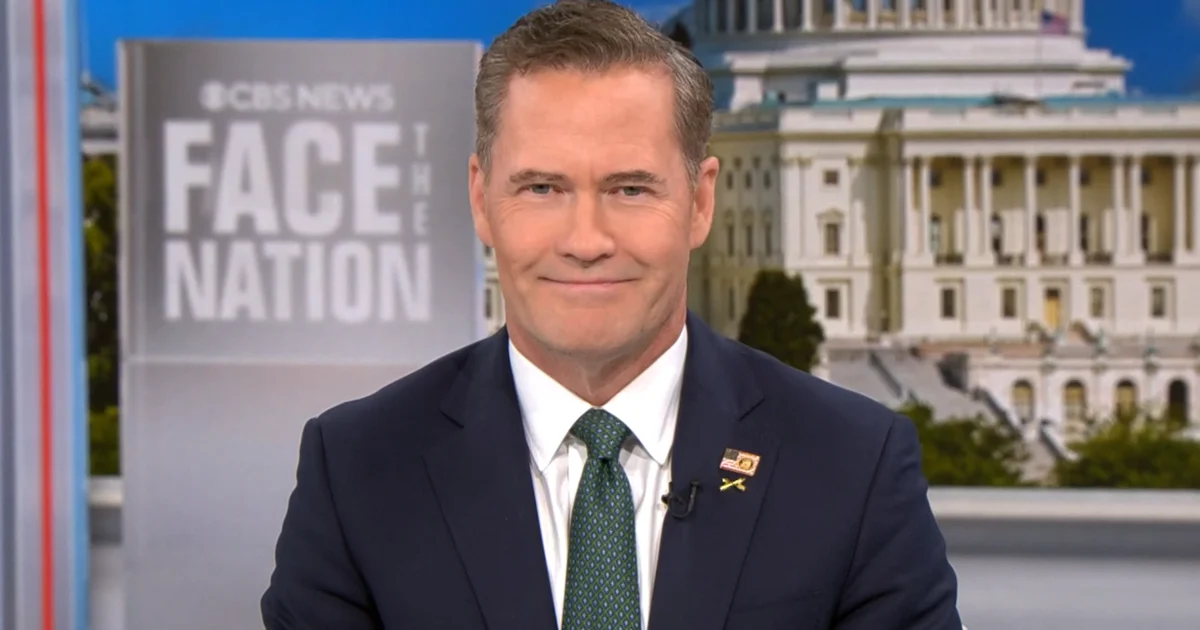
U.S. Ambassador to the United Nations Mike Waltz stated on July 26, 2026, that the recent pause in strikes against Iran is “giving diplomacy some space” and “a little bit of time” to work, signaling a temporary reduction in military action as an opening for negotiations. He highlighted President Trump’s commitment to peace by “giving diplomacy a chance,” even as the U.S. continues to reposition military resources in the region.
What Happened
After thirteen consecutive days of bombing following the collapse of a ceasefire in early July, the United States paused its strikes against Iran on Friday and Saturday nights. Tehran reciprocated by pausing its strikes on Sunday. During this pause, Iranian officials and their Omani counterparts engaged in discussions described as constructive by one Iranian official. Ambassador Waltz commended Oman’s role in facilitating these talks.
Waltz responded to reports suggesting that the U.S. military was depleting key weapons by dismissing those concerns as “nonsense,” stating that sufficient assets are present in the theater and that additional military equipment is being deployed. Meanwhile, a CBS News poll released on July 26 found that most Americans feel uncertain or frustrated about the war, although they support objectives such as keeping the Strait of Hormuz open and preventing Iran’s nuclear program expansion.
On CBS’s “Face the Nation,” Senators Bernie Sanders and John Kennedy articulated differing perspectives. Sanders, who has opposed the Iran war since its inception, urged resuming diplomacy, emphasizing negotiation to end the killing and economic damage. Conversely, Kennedy called for maintaining pressure through sanctions and military measures, opposing an immediate withdrawal or troop deployment but advocating for continued blockade and targeted bombing of suspected nuclear sites.
Key Facts
The ceasefire, which lasted nearly three months before collapsing in early July, led to a sustained escalation of strikes, paused briefly starting July 24-25. Ambassador Waltz affirmed President Trump’s desire to pursue peaceful solutions. A recent CBS News poll indicated public frustration, highlighting the complexity of maintaining support for the conflict.
Senator Bernie Sanders represents Vermont as an independent caucusing with Democrats, consistently opposing military action in Iran. Senator John Kennedy, a Republican from Louisiana, supports a hardline approach involving sanctions and selective military strikes but opposes a troop surge.
What This Means
The pause in strikes reflects a strategic calculation to create a diplomatic window, aimed at de-escalating conflict without abandoning leverage. This suggests Washington is balancing military pressure with political negotiations, signaling that while force remains a tool, diplomacy is being prioritized as a potential path towards resolution.
The differing views among senators underscore the political division within the U.S. over how to handle the Iran conflict. Public frustration with the war’s progress, revealed in polling, could influence congressional attitudes and presidential decision-making moving forward. For American citizens, this pause offers a glimpse of potential relief from continuous military escalation and its economic repercussions, particularly energy price pressures linked to the conflict.
Background
The fighting resumed after a fragile ceasefire nearly three months long ended in early July 2026, prompting a series of U.S. airstrikes against Iranian targets. The conflict centers on curbing Iran’s nuclear ambitions and securing critical regional waterways like the Strait of Hormuz, essential for global energy supplies.
What Comes Next
Ongoing diplomatic discussions facilitated by Oman will continue to be monitored closely. The U.S. has reaffirmed military readiness by moving additional assets into the region. Politically, debate among senators and the broader public will persist as policymakers weigh sanctions, sanctions enforcement, and potential military actions such as targeting deeply buried nuclear sites. Further congressional hearings or votes on Iran policy could occur as the situation develops.
Sources
This article is based on reporting and publicly available information from the following source:
Read more Politics stories on Goka World News.