
The recent escalation in hostilities between the United States and Iran appears to have paused as diplomatic efforts gain traction. Iran has engaged Oman in talks regarding maritime traffic management through the strategic Strait of Hormuz, while the U.S. government under President Donald Trump signals cautious optimism in giving diplomacy a chance, even as military assets are bolstered in the region.
What Happened
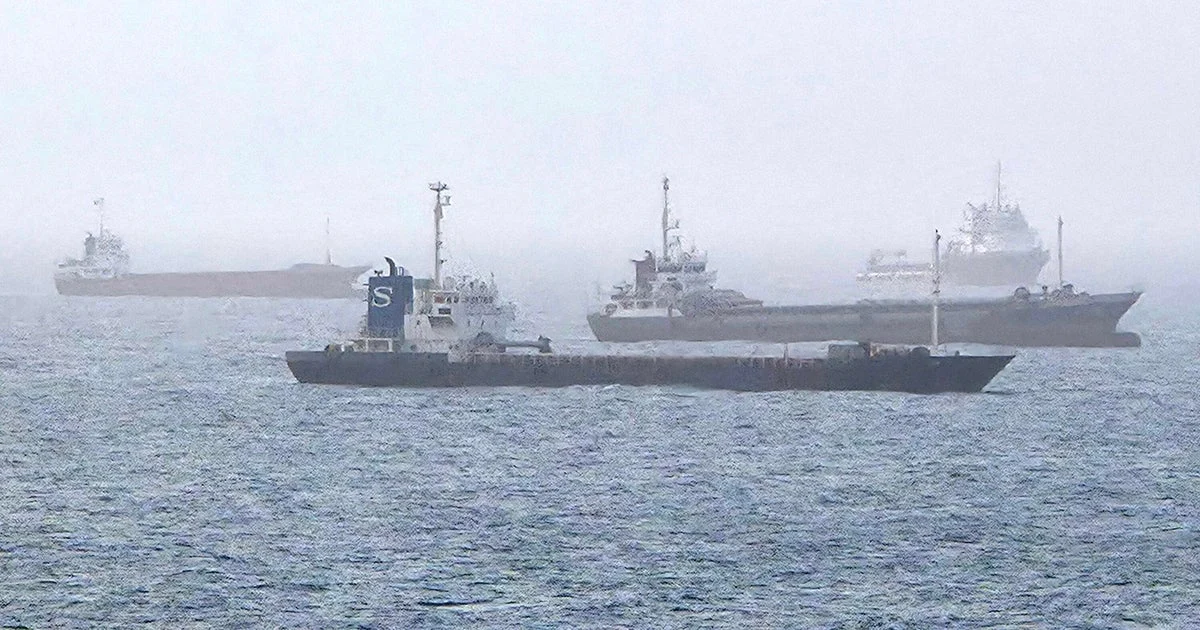
Between July 25 and 27, 2026, military activity near the Strait of Hormuz temporarily subsided after weeks of escalating conflict. The Iranian Revolutionary Guard Navy reportedly fired warning shots to stop six vessels attempting to transit the strait through routes not approved by Iran, reflecting Tehran’s ongoing assertion of control over this critical waterway. Concurrently, Iranian and Omani officials held constructive discussions focused explicitly on establishing mechanisms to safely manage maritime transit through the strait, according to Iranian Foreign Ministry spokesperson Esmail Baqaei.
In Washington, U.S. Ambassador to the United Nations Mike Waltz told CBS News that the pause in attacks was intended to “give diplomacy some space,” but emphasized that the United States was continuing to deploy additional military assets to the Gulf region as a deterrent and strategic preparation. Meanwhile, the U.S. has maintained a naval blockade of Iran with measures including redirecting, disabling, and boarding commercial vessels suspected of aiding Iran’s war efforts. The military campaign dubbed Operation Epic Fury, a joint U.S.-Israel effort, has seen over 400 U.S. service members evacuated for treatment since its start in late February.
Key Facts
Iran continues to assert effective control over the Strait of Hormuz, a vital oil shipping route. The Revolutionary Guard Navy’s warning shots and turnbacks of ships underscore Tehran’s blockade enforcement. Official statements deny direct talks between the U.S. and Iran but confirm ongoing dialogue with Oman, which shares coastline rights to the strait. The U.S. military’s firm stance remains with increased assets deployed despite the temporary truce.
Financial markets reacted positively to the relative calm and diplomatic activity: oil prices dropped nearly 7% and stock futures in the U.S. and Europe rose as fears over escalating conflict diminished. Iran’s support for Russia’s war in Ukraine, including drone sales, complicates the conflict landscape, with Ukraine conducting strikes on Iranian-owned shipping in the Caspian Sea.
What This Means
The pause in direct military exchanges between the U.S. and Iran represents a strategic opening for diplomacy amid heightened regional tensions and powerful global stakes. The Strait of Hormuz is a chokepoint for nearly a fifth of the world’s oil supply, meaning any disruption strongly impacts energy markets and geopolitical stability. Temporary calm and talks with Oman suggest both sides seek to avoid further escalation that could provoke wider conflict.
For ordinary Americans and global consumers, a negotiated reopening of the strait could ease oil price volatility and reduce the risk of supply shocks. Politically, President Trump’s decision to defer to diplomatic channels while maintaining military pressure indicates a balancing act aimed at limiting war risks without conceding influence in the Middle East. The continuation of U.S. military preparedness ensures the administration retains leverage should talks fail, reflecting the fragility and unpredictability of the current standoff.
Meanwhile, the involvement of third parties such as Oman as interlocutors demonstrates the complex diplomatic environment shaped by allied interests and regional actors. The developments also underscore how interconnected global conflicts have become, with Ukraine’s involvement highlighting the broader geopolitical implications of Iran’s regional behavior.
What Comes Next
Diplomatic discussions between Iran and Oman will likely continue as both nations work toward formal mechanisms to allow safe maritime passage through the Strait of Hormuz. The U.S. will monitor developments closely, with Ambassador Waltz indicating that further assessments will shape Washington’s responses. Additional U.S. military reinforcements arriving in the region keep pressure on Iran and maintain operational readiness.
Ukrainian President Volodymyr Zelenskyy’s upcoming expected visit to Washington may also add new dimensions to U.S. policy, especially as Ukraine deals with Iranian and Russian complicity in ongoing conflicts. No new direct U.S.-Iran talks have been confirmed beyond Oman’s mediation.
Sources
This article is based on reporting and publicly available information from the following source:
Read more Politics stories on Goka World News.