
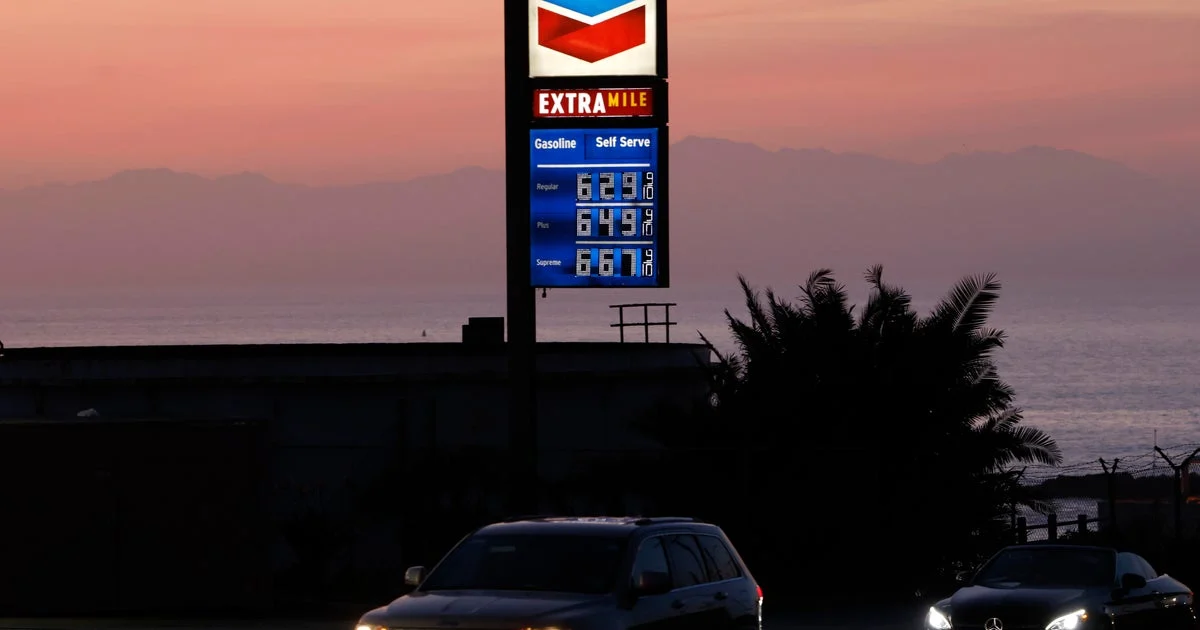
Chevron has increased its imports of Venezuelan crude oil, which is currently aiding in the moderation of gasoline prices in the United States, according to Andrew Walz, the company’s president of global refining.
Walz told CBS News that Chevron is running its Pascagoula, Mississippi refinery continuously to process approximately 400,000 barrels of Venezuelan crude over four days. He stated that this additional supply is helping counteract the upward pressure on U.S. fuel prices caused by restricted global oil supplies due to the conflict in Iran.
“This ship is lowering prices in America because we have access to a new supply point that we didn’t have previously,” Walz explained, highlighting that the move benefits both Venezuelan revenue streams and American consumers.
Chevron’s strategy amid geopolitical shifts
The increased imports follow recent U.S. policy changes that eased sanctions on Venezuela’s interim President Delcy Rodriguez, aiming to rebuild bilateral relations and encourage investment in the South American country’s oil sector. This shift came after Nicolás Maduro and his wife were removed from power by U.S. forces in an operation three months prior.
Since then, the U.S. government under the previous administration has sought to incentivize American companies like Chevron to expand oil infrastructure and production in Venezuela, seeing energy as a critical factor for geopolitical and economic stability.
Walz confirmed plans to increase Chevron’s Venezuelan oil production by 50% over the next few years, reflecting the company’s growing investment in the region’s oil capacity.
Impact on U.S. gasoline prices and consumer advice
At present, the average price for a gallon of gasoline in the U.S. stands at approximately $4.12, up from $2.98 prior to the escalation of the Iran conflict, according to AAA data. Walz emphasized that without Venezuelan crude imports, prices would be significantly higher due to reduced supply.
In addition to expanding supply, Walz urged consumers to conserve energy to help manage costs. “People do need to conserve energy. We should always be conserving energy, whether it’s your light switch or the miles you drive or what kind of car you buy,” he said, adding that conservation remains important regardless of immediate price trends.
Why it matters
Chevron’s strategy to import Venezuelan crude amid U.S. easing of sanctions represents a notable shift in energy geopolitics. By tapping into previously restricted sources, Chevron is helping to stabilize U.S. fuel prices at a time when global supply chains are strained by the Iran war. This development underscores the continuing interplay between international diplomacy and energy markets affecting everyday consumer costs.
Read more Business stories on Goka World News.