
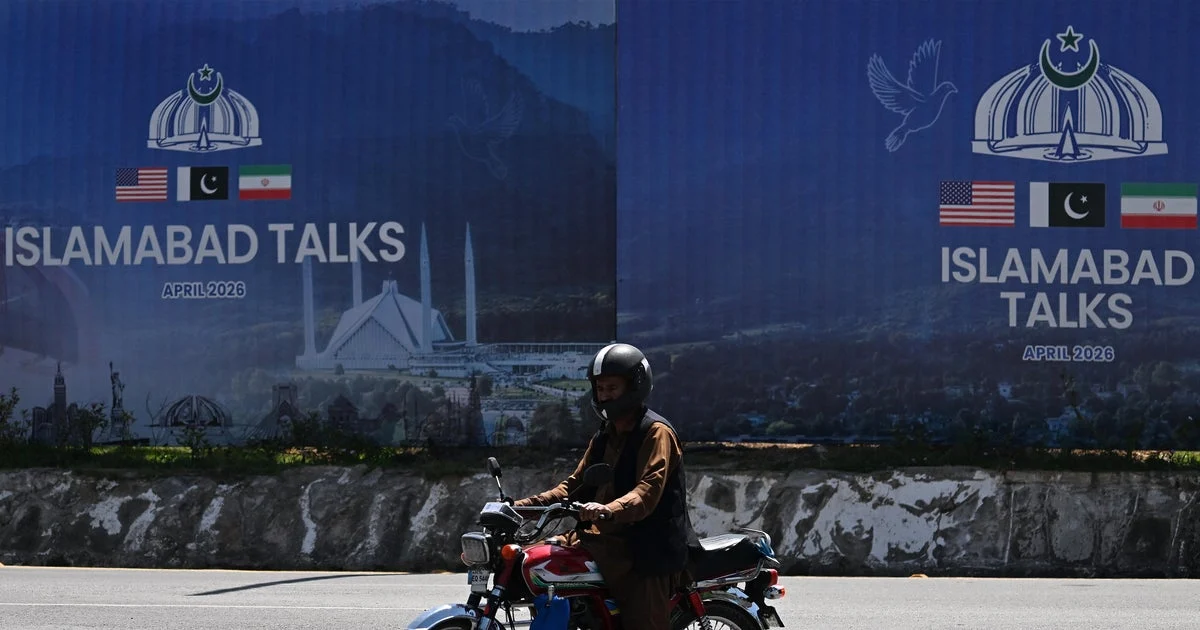
Pakistan is actively seeking a second round of negotiations between the United States and Iran following an inconclusive first meeting aimed at ending their ongoing conflict, a senior Pakistani government official confirmed to CBS News.
The initial face-to-face talks, held over a weekend in Islamabad, did not yield a deal, but Pakistani authorities remain cautiously optimistic about continuing dialogue. Officials have reframed the engagement from “Islamabad Talks” to the “Islamabad Process” to emphasize an ongoing diplomatic track rather than a one-time event.
Pakistan is currently in contact with both Washington and Tehran, urging a prompt resumption of discussions before the existing ceasefire—which is due to expire around April 22—ends. The objective is to secure a workable understanding to prevent a full-scale return to war.
These diplomatic efforts are led by Pakistani Prime Minister Shehbaz Sharif and Army Chief Field Marshal Asim Munir, both of whom were involved in the initial negotiations. Pakistani officials indicated they are now awaiting responses from the U.S. and Iran to arrange a follow-up meeting within the narrow ceasefire window.
Meanwhile, Qatar has also encouraged constructive engagement, with its Foreign Minister Sheikh Mohammed bin Abdulrahman Al Thani urging Iran and the U.S. to cooperate positively in mediation efforts. He emphasized the importance of keeping maritime routes open and free from being used as pressure tools amid tensions over the Strait of Hormuz.
Why it matters
With the ceasefire deadline approaching, renewed talks are critical to avoid escalation into all-out war between the U.S. and Iran, which would have significant regional and global security implications. Pakistan’s active mediation role presents an opportunity to de-escalate tensions and highlights Islamabad’s aspirations to strengthen its international diplomatic profile. The stability of maritime routes in the Gulf region also directly affects global energy supplies and economic security.
Background
The U.S. and Iran have been engaged in a protracted conflict marked by intermittent flare-ups, including threats and actions around strategic maritime chokepoints such as the Strait of Hormuz. Pakistan, a nuclear-armed nation with a population exceeding 250 million, has sought to enhance its international stature by mediating peace talks. Previous efforts failed to produce a conclusive agreement, prompting the ongoing “Islamabad Process” to frame a sustained dialogue.
Pakistan’s push for the second round of talks underscores the fragile ceasefire’s limited timeframe and the urgency of diplomatic intervention to prevent renewed hostilities.
Read more World News stories on Goka World News.