
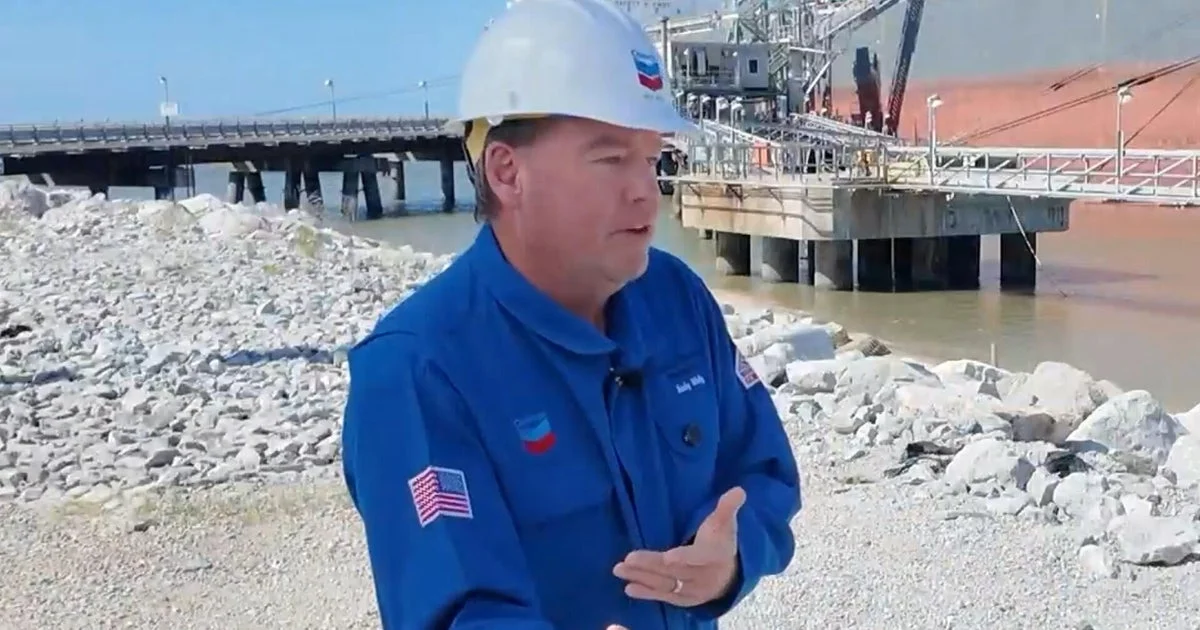
Andy Walz, president of Chevron’s largest oil refinery facility on the Mississippi coast, advised consumers to reduce their driving in order to save money on gasoline. Speaking during an interview with CBS News, Walz emphasized that cutting back on vehicle use is one actionable step individuals can take to lessen the impact of high fuel prices on their personal budgets.
Walz made these remarks while discussing current gasoline pricing trends and consumer options during a visit to Chevron’s largest refinery, where oil production and refining capacity are key components of the company’s operations. His comments highlighted the ongoing challenges faced by consumers trying to manage escalating fuel expenditures.
Why it matters
Gasoline prices have fluctuated due to a combination of market factors, including supply chain disruptions and global energy dynamics. As fuel remains a significant household expense, guidance from industry leaders like Chevron’s Walz directs attention to behavioral changes that can ease financial burdens. Encouraging reduced driving aligns with broader efforts to manage fuel consumption without relying solely on market-driven solutions, thereby giving consumers immediate strategies during periods of volatile pricing.
Background
Chevron operates one of the largest oil refining complexes in the United States, situated on the Mississippi coast. The company plays a vital role in producing and distributing gasoline nationwide. Industry executives often provide insights into how consumer behavior intersects with oil markets, especially when fuel prices rise due to geopolitical events or economic pressures. Walz’s call to drive less reflects a common recommendation amid periodic spikes in gasoline costs.
Read more Business stories on Goka World News.