
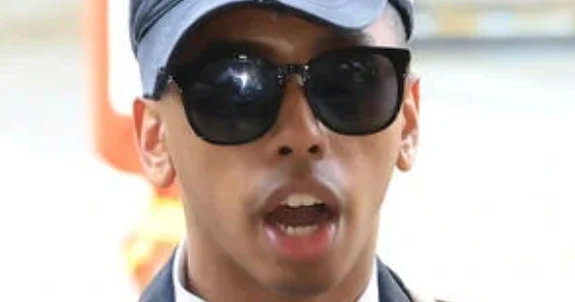
Johnny Somali, an American YouTuber whose real name is Ramsey Khalid Ismael, was sentenced to six months in prison by Seoul Western District Court on April 15, 2026, following a series of offensive stunts that provoked national outrage in South Korea.
The court found Ismael guilty of multiple charges, including obstruction of business and distributing fabricated sexually explicit content. Prosecutors had originally sought a three-year sentence. The court also noted his disruptive behavior in public places such as an amusement park, convenience store, bus, and subway, including blasting loud music and overturning food. Additionally, he was accused of distributing non-consensual deepfake videos.
Ismael, 25, is known online as Johnny Somali and describes himself as an internet “troll.” The court highlighted his “severe” disrespect for South Korean law and emphasized that his actions offended many people. As a result, the court ordered his immediate detention after sentencing, citing concerns that he might flee.
The incident that triggered widespread condemnation occurred in October 2024, when Ismael posted a video showing himself dancing provocatively on a statue dedicated to victims of the Japanese military’s World War II-era sexual slavery. He later apologized, stating he was unaware of the monument’s significance.
Before the trial, Ismael was barred from leaving South Korea. He expressed regret and a desire to apologize to the South Korean public.
Why it matters
This sentencing underscores South Korea’s firm legal stance against acts viewed as disrespectful to its historical memory and public order. The ruling sends a clear message about the consequences of reckless conduct by foreign individuals that provokes national outrage, especially when it involves sensitive historical issues.
Background
South Korea has been vigilant about protecting monuments commemorating victims of wartime atrocities, particularly those related to sexual slavery during World War II. Provocative acts against such sites often result in strong public backlash and legal action.
The case also fits within a broader pattern of rising global scrutiny and legal consequences for tourists and social media influencers engaging in disruptive or culturally insensitive behavior during international travel.
Read more World News stories on Goka World News.