
The Food and Drug Administration (FDA) announced it will hold a meeting in July to consider easing restrictions on seven peptide injections that are widely used but remain unapproved for safety and efficacy. This move follows repeated calls by Health Secretary Robert F. Kennedy Jr. to relax regulations on peptide therapies, which are promoted for muscle building, injury healing, and anti-aging effects despite limited scientific evidence.
FDA’s Upcoming Review and Regulatory Changes
The peptides under review include compounds like BPC-157, known for purported benefits in reducing inflammation and aiding injury recovery. The FDA plans to ask an independent advisory panel whether these peptides should be removed from a list of high-risk substances that compounding pharmacies are restricted from producing. Pending the panel’s recommendations, the agency intends to lift these peptides from the most stringent regulatory category.
Compounding pharmacies create customized medications, but many peptides circulating in the wellness market have not undergone FDA safety reviews. Previously, under the Biden administration, the FDA added nearly 20 peptides to a federal list barring their production by compounding pharmacies due to “significant safety risks,” including potential cancer and organ damage. The current move represents a notable shift in agency policy.
Health Secretary Kennedy’s Advocacy for Peptides
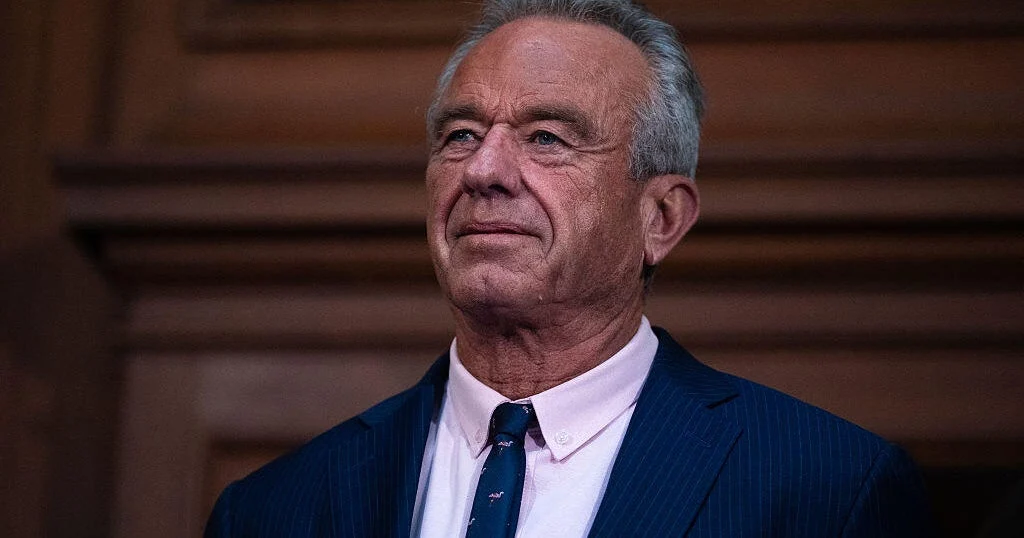
Robert F. Kennedy Jr. has publicly expressed his personal use of peptides for injuries and positioned himself as a “big fan” of these therapies. Kennedy’s support aligns with some prominent figures in his Make America Healthy Again movement, such as longevity expert Gary Brecka, who markets various peptide formulas. Kennedy’s public comments on podcasts, including with Joe Rogan, highlighted his interest in expanding peptide access and addressing what he characterizes as a problematic gray market of substandard imports.
Concerns from Experts and Regulatory Critics
FDA critics and public health experts warn that removing restrictions risks undermining decades of drug approval standards. Dr. Peter Lurie, former FDA official and current president of the Center for Science in the Public Interest, described the change as creating a “profound threat” to drug safety systems by allowing products on the market without rigorous clinical testing.
Similarly, Dr. Eric Topol of the Scripps Research Translational Institute called the increasing peptide use “a disaster in the works,” noting the severe lack of data supporting their safety or efficacy. Some peptides, such as BPC-157 and TB-500, are banned by international sports bodies as doping agents, yet remain popular in the wellness community.
Potential Impact on Compounding Pharmacies and the Market
Industry representatives expect the FDA’s July meeting to begin a lengthy regulatory process. Even if the advisory panel votes in favor, formal rule changes and public comment periods will follow before peptides can be widely compounded in pharmacies. Some compounding advocates argue current restrictions have driven the peptide market underground, increasing the prevalence of imported, unregulated products posing health risks.
Why it matters
Peptides occupy a contested space between emerging therapeutics and unregulated wellness products. Changes to FDA oversight could significantly alter how these substances are produced, marketed, and accessed by consumers. As peptides become more popular, the balance between innovation, regulation, and public safety is being tested, raising important questions about drug approval standards and the risks of expanding less-regulated alternatives.
Read more Health & Public Health stories on Goka World News.