
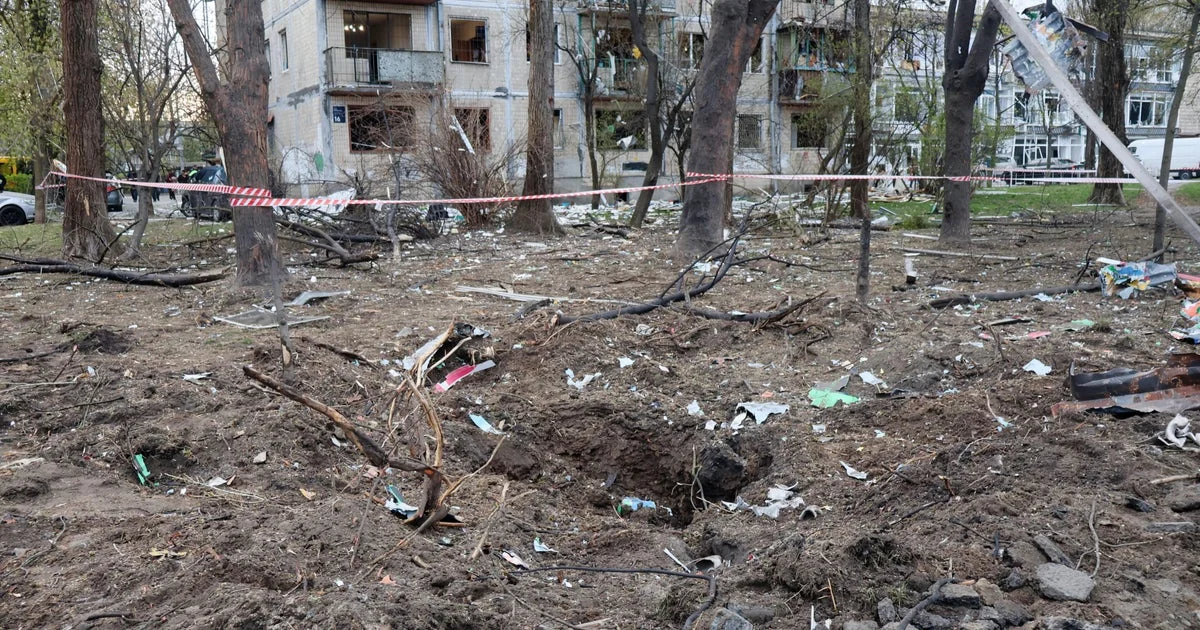
Russia launched its deadliest aerial assault on Ukraine so far in 2026, killing 16 people, including a 12-year-old child, according to Ukrainian officials. The overnight attack involved nearly 700 drones and 19 ballistic missiles targeting multiple cities across Ukraine, with heavy damage reported in the capital, Kyiv.
Kyiv Mayor Vitali Klitschko stated the strikes killed four people in the city, including the child, and that a drone hit an 18-story residential building. Additional casualties were reported in other cities: nine people died in Odesa, and two in Dnipro, where drones also struck residential areas.
The attack severely disrupted energy infrastructure in southeastern Ukraine, leaving the cities of Mykolaiv and Kherson without power on Thursday morning. Video and images from Kyiv showed craters caused by Russian missile strikes.
Ukraine’s Defense Ministry confirmed the scope of the assault, noting the extensive use of drones and ballistic missiles. Ukraine’s Air Force reported successfully intercepting 31 missiles and 636 drones during the attack, while Russia’s defense ministry claimed to have shot down 207 Ukrainian drones overnight.
In response to the strike, Ukrainian President Volodymyr Zelenskyy called on international allies to increase pressure on Russia rather than easing sanctions. He emphasized that Russia is committing to war and urged coordinated efforts to defend civilian lives and apply diplomatic and economic sanctions.
The attack comes amid renewed tensions following the expiration of a U.S. Treasury Department sanctions waiver on certain Russian oil sales, which was intended to stabilize global markets during the U.S.–Iran conflict. The Biden administration has chosen not to renew this waiver, signaling tougher economic measures on Russia.
Why it matters
This assault marks the deadliest aerial attack on Ukraine in 2026, highlighting the intensification of Russia’s military campaign as it targets both civilian populations and critical infrastructure. The bombing of energy facilities risks widespread power outages and further destabilizes the affected regions. The timing reflects ongoing geopolitical tensions, including shifts in international sanctions policy and Ukraine’s own increased strikes on Russian oil and gas assets. The episode underscores the continuing volatility in the conflict and the urgent need for sustained international support for Ukraine.
Read more World News stories on Goka World News.