
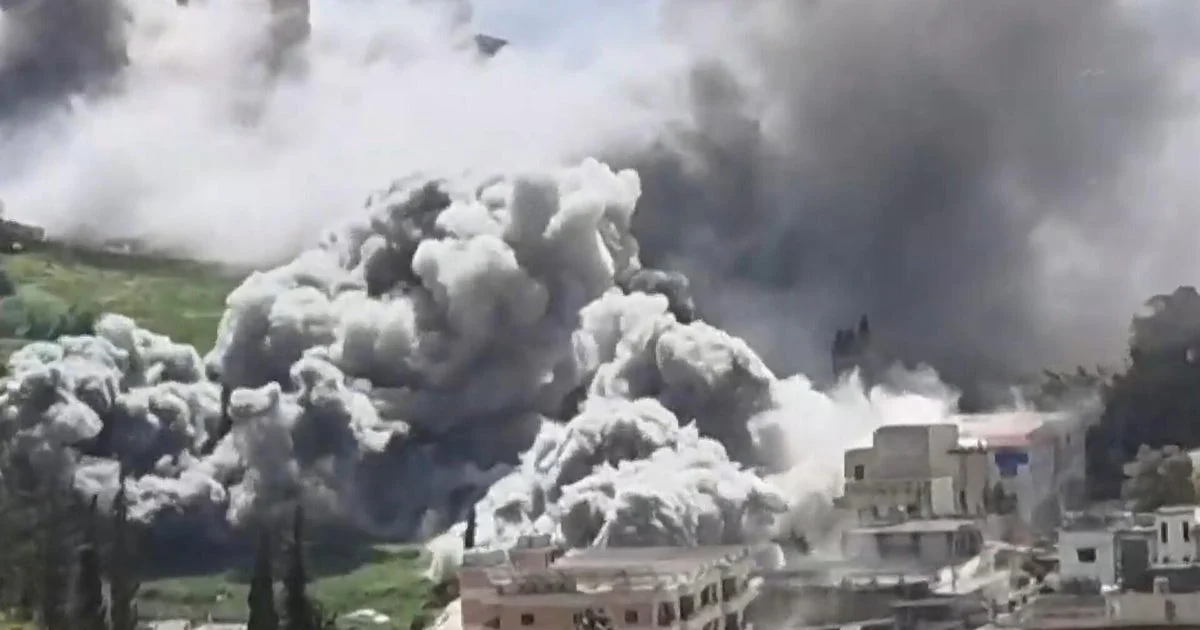
Israel and Hezbollah, the Iranian-backed militia in Lebanon, have reached a ceasefire in their recent border conflict. This development could have implications for the United States’ attempts to negotiate a broader regional agreement with Iran.
Current Conflict and Ceasefire
Israel has been engaged in hostilities with Hezbollah, a Lebanese militia supported by the Iranian regime. The fighting along the Israel-Lebanon border has now paused following a local ceasefire agreement. This halt in violence represents a temporary easing of tensions in the region.
Impact on U.S. Diplomacy with Iran
The conflict and its resolution are closely linked to the U.S. diplomatic strategy concerning Iran. The ceasefire with Hezbollah, an Iranian proxy, could influence negotiations aimed at broader regional stability and non-proliferation efforts. The United States is seeking a comprehensive deal with Iran that addresses not only nuclear issues but also Iran’s support for militant groups like Hezbollah.
Why it matters
This ceasefire is significant because it alters the immediate security dynamics on Israel’s northern border, potentially creating a more conducive environment for U.S. diplomacy with Iran. Progress or setbacks in negotiations with Iran could hinge partly on these regional conflict developments, as Israel’s security concerns are a central consideration in U.S. policy decisions. A stable border situation may increase diplomatic leverage, while renewed hostilities could complicate talks.
Read more Politics stories on Goka World News.