
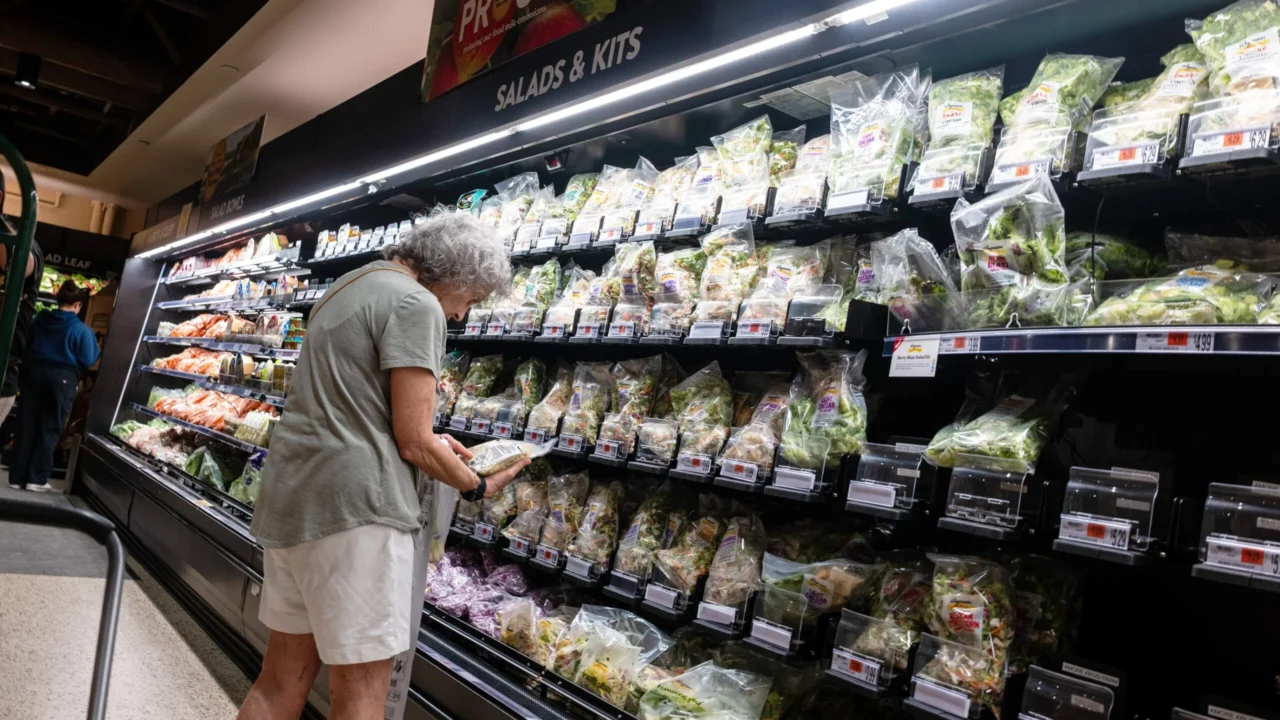
The safety of the U.S. food supply has emerged as a significant public health and political concern following a record-breaking cyclospora outbreak this summer that resulted in nearly 20,000 reported cases. This surge in infections, along with multiple food recalls, has thrust food safety into the national spotlight during the lead-up to the midterm elections, according to data and analysis from the Centers for Disease Control and Prevention (CDC) and multiple advocacy groups.
What Happened
From May through August 2026, a large multistate outbreak of cyclosporiasis linked to contaminated lettuce caused nearly 20,000 laboratory-confirmed cases across 21 states, marking the largest recorded outbreak of the parasite in U.S. history. This event was accompanied by tens of thousands of pounds of imported meat being recalled, and chain restaurants such as Chipotle and Taco Bell proactively removed suspected produce like lettuce and jalapeños from menus. Despite the volume of recalls in 2026 being consistent with previous years, public health experts emphasize the severity of this specific outbreak and its impact on consumer confidence.
Key Facts
The CDC’s reported number of cyclospora cases from May to August 2026 stands at nearly 20,000, a substantial increase from 1,180 cases during the same period in 2025. According to data analyzed by the U.S. Public Interest Research Group (PIRG), food recalls numbered around 200 so far in 2026, comparable to 2025 levels, though the total annual recalls have increased by 21% from 2021 to 2025. This rise includes a higher volume of Class I recalls, indicating products with the potential to cause serious illness or death.
Surveys reveal widespread consumer concern: a July Quinnipiac University poll found most registered voters lack confidence in government food safety oversight. Similarly, 94% of U.S. adults expressed concern about recall frequency in a GS1 US poll. Confidence in the safety of food produced in the U.S. declined to 30% as of August 2026, down from 40% in November 2025, according to a University of Illinois and Purdue University survey.
What This Means
The record cyclospora outbreak and persistent recalls highlight both real challenges and perceived vulnerabilities in the U.S. food safety system. This dual reality has heightened public anxiety about what ends up on their plates, leading many consumers to alter their purchasing habits. Nearly half of surveyed consumers reported changing grocery buying patterns in response to food safety fears, while 40% did the same for restaurant food choices. This shift may have wider implications for the food industry, particularly producers and retailers of fresh produce, in addition to public health authorities tasked with surveillance and regulatory oversight.
Politically, food safety has emerged as a “kitchen-table” issue, with Democratic leaders attributing outbreaks to federal funding cuts and reduced staffing at key agencies like the Food and Drug Administration (FDA) and Centers for Disease Control and Prevention. Republican officials counter these claims, emphasizing ongoing outbreak responses and asserting that recall numbers are near historic lows. These debates reflect deeper tensions over public health funding priorities and regulatory approaches that will likely shape policy discussions going forward.
Food safety advocates warn that policy decisions such as easing slaughter regulations for small livestock operations and delaying supply chain traceability rules could undermine consumer protections. They emphasize the need for robust oversight to prevent foodborne illnesses, especially as consumers are encouraged to eat more fresh fruits and vegetables for dietary health—a goal complicated by safety concerns prompting farmers to destroy crops like lettuce.
Background
Historically, large foodborne outbreaks have triggered policy responses, such as the 1993 E. coli outbreak linked to fast food chains that prompted President Bill Clinton to prioritize food safety improvements. Recent years have seen incremental increases in food recalls, a trend partly driven by improved detection methods. While bacterial outbreaks like E. coli, listeria, and salmonella have seen fewer cases overall, parasitic outbreaks such as cyclospora remain a formidable challenge.
Analysis
Experts highlight that recall data alone does not fully reflect food safety risks due to variability in reporting and the complex nature of recalls, which can multiply when contaminated items occur in processed foods. Craig Hedberg, a public health professor at the University of Minnesota, noted that increased identification of smaller outbreaks suggests more effective containment efforts. Yet, the cyclospora outbreak’s scale stands out as unusually severe.
Former FDA food safety director Susan Mayne has questioned federal claims that recall numbers are declining, pointing out that totals often include non-food items like drugs and devices, potentially skewing public perception. Advocates like Sarah Sorscher of the Center for Science in the Public Interest emphasize the contradiction in government assurances of food safety alongside reported funding and staffing cuts.
What Comes Next
Policy debates are active around reinstating or revising rules such as the Biden-era traceability requirements for grocery stores and enhanced inspection processes. Advocacy groups continue to call for restored funding and agency capacity to prevent future outbreaks, while the Biden and Trump administrations face scrutiny over meat import standards and inspection practices amid concerns raised by food safety leaders.
Sources
This article is based on reporting and publicly available information from the following sources:
Read more Politics stories on Goka World News.